



In March 2024, AA Plus Vacation personally led a group on an 11-day 9-night Japan and Korea cherry blossom, onsen, and culinary classic journey, and the trip concluded successfully.
We are grateful for your support and understanding. It has allowed us to accompany you on an unforgettable 11-day journey.
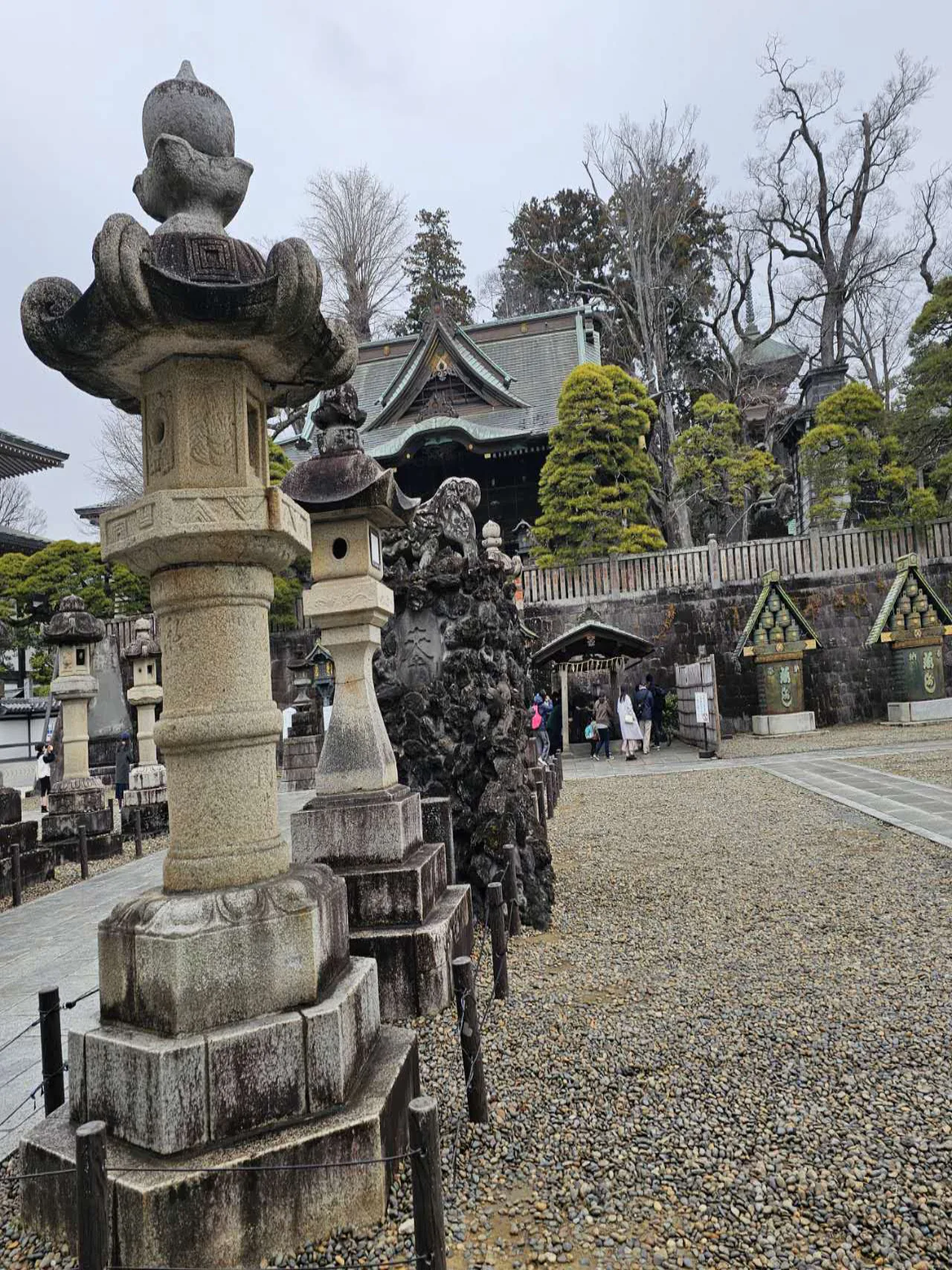
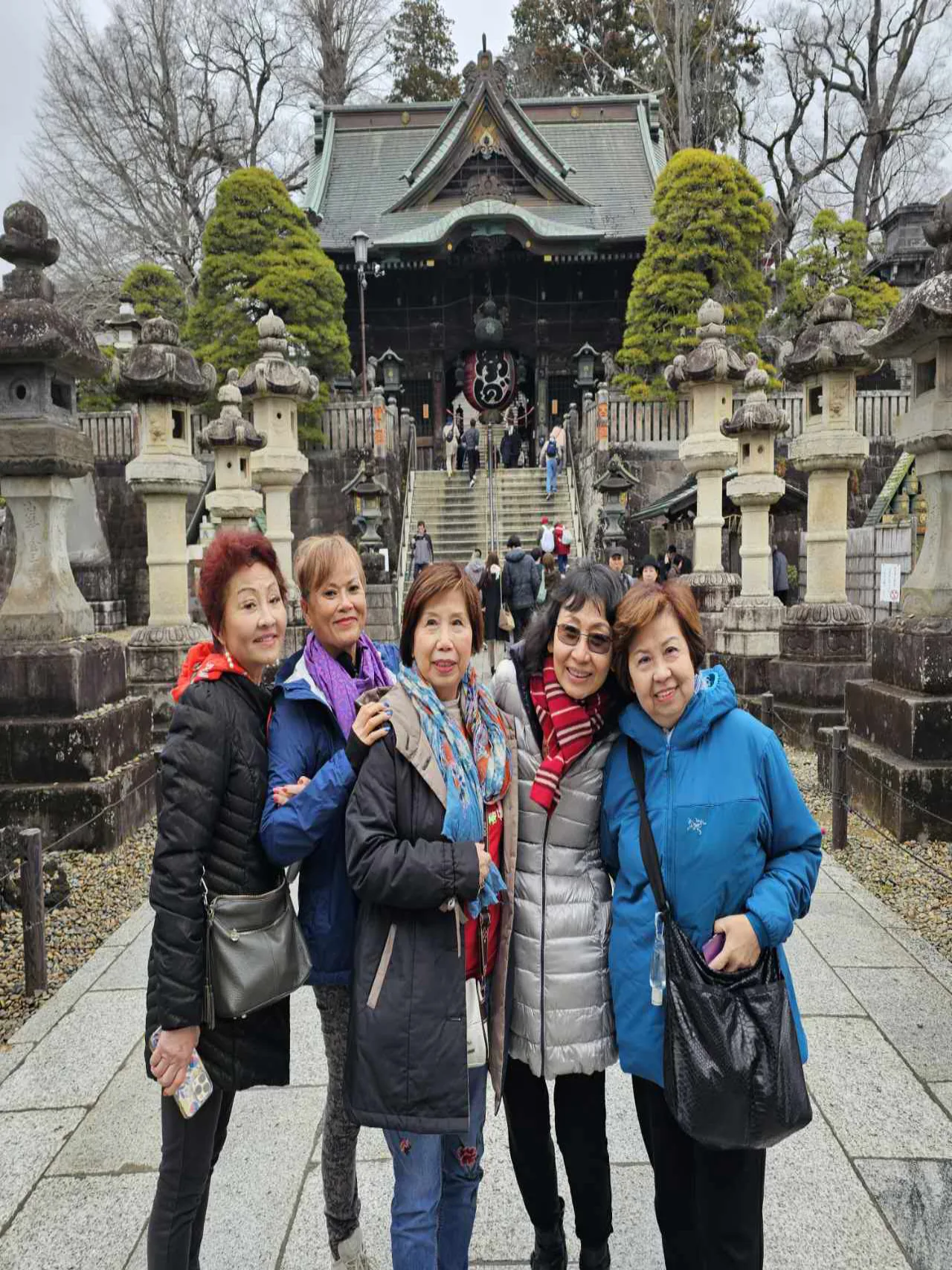
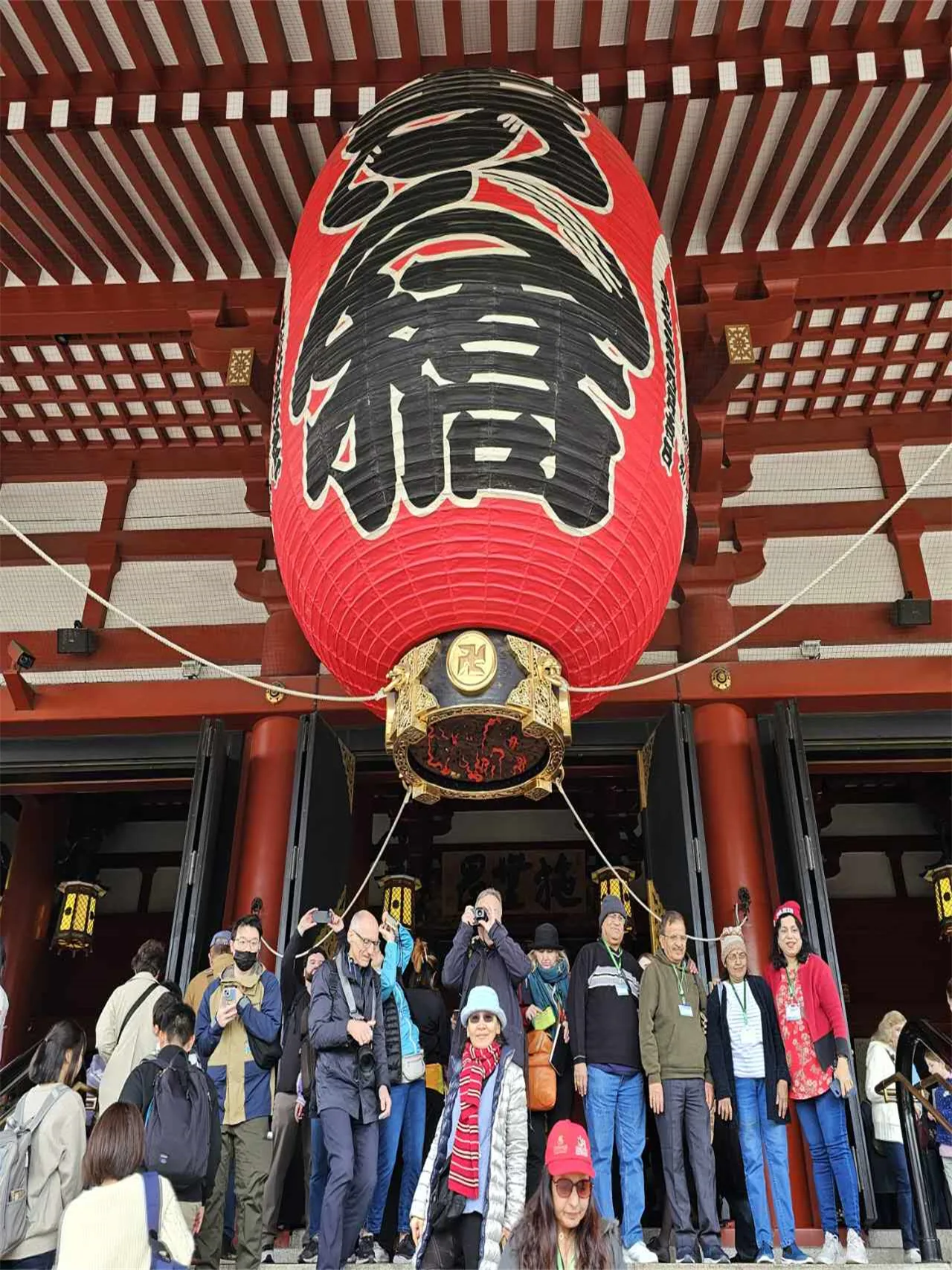
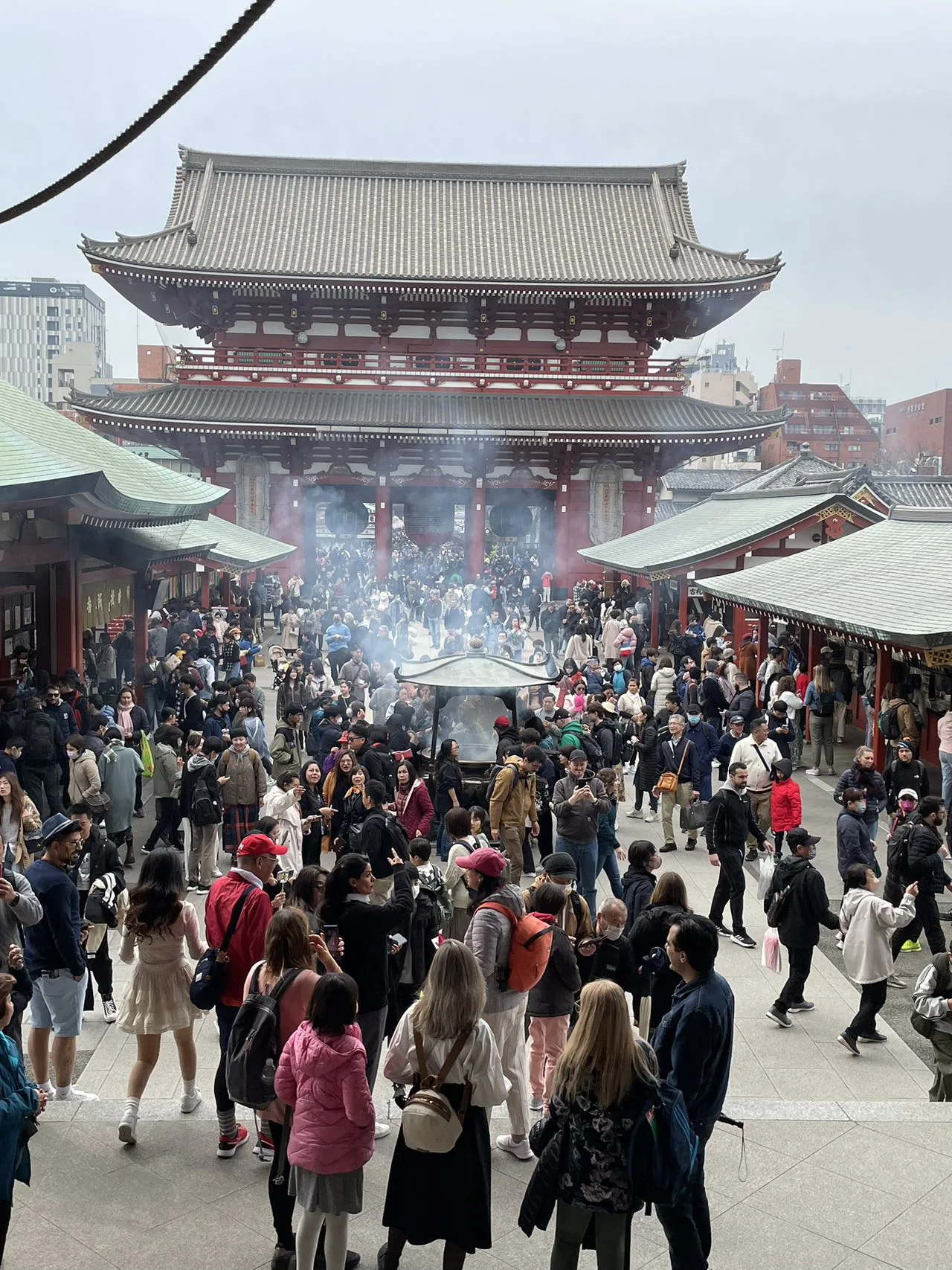
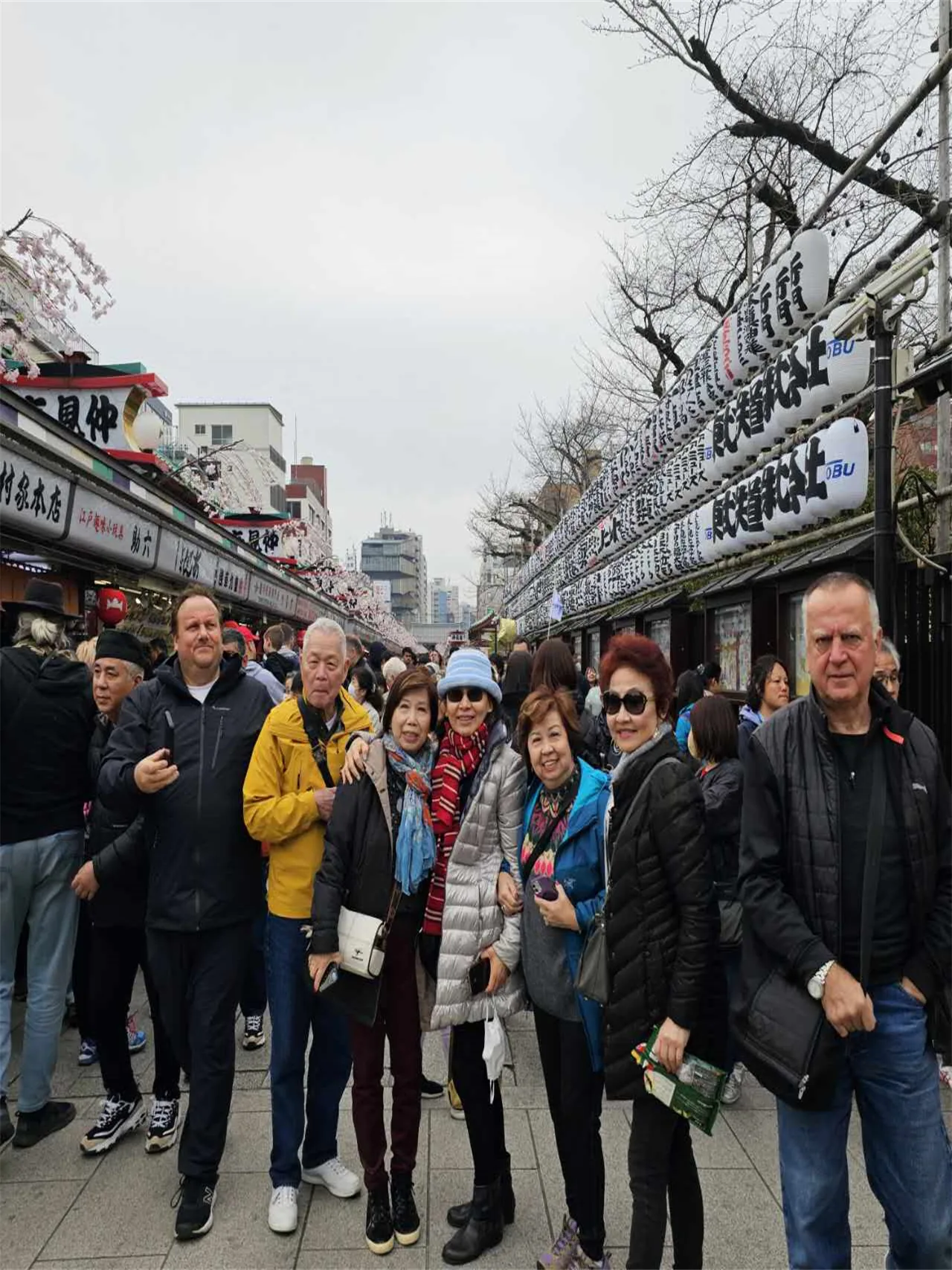
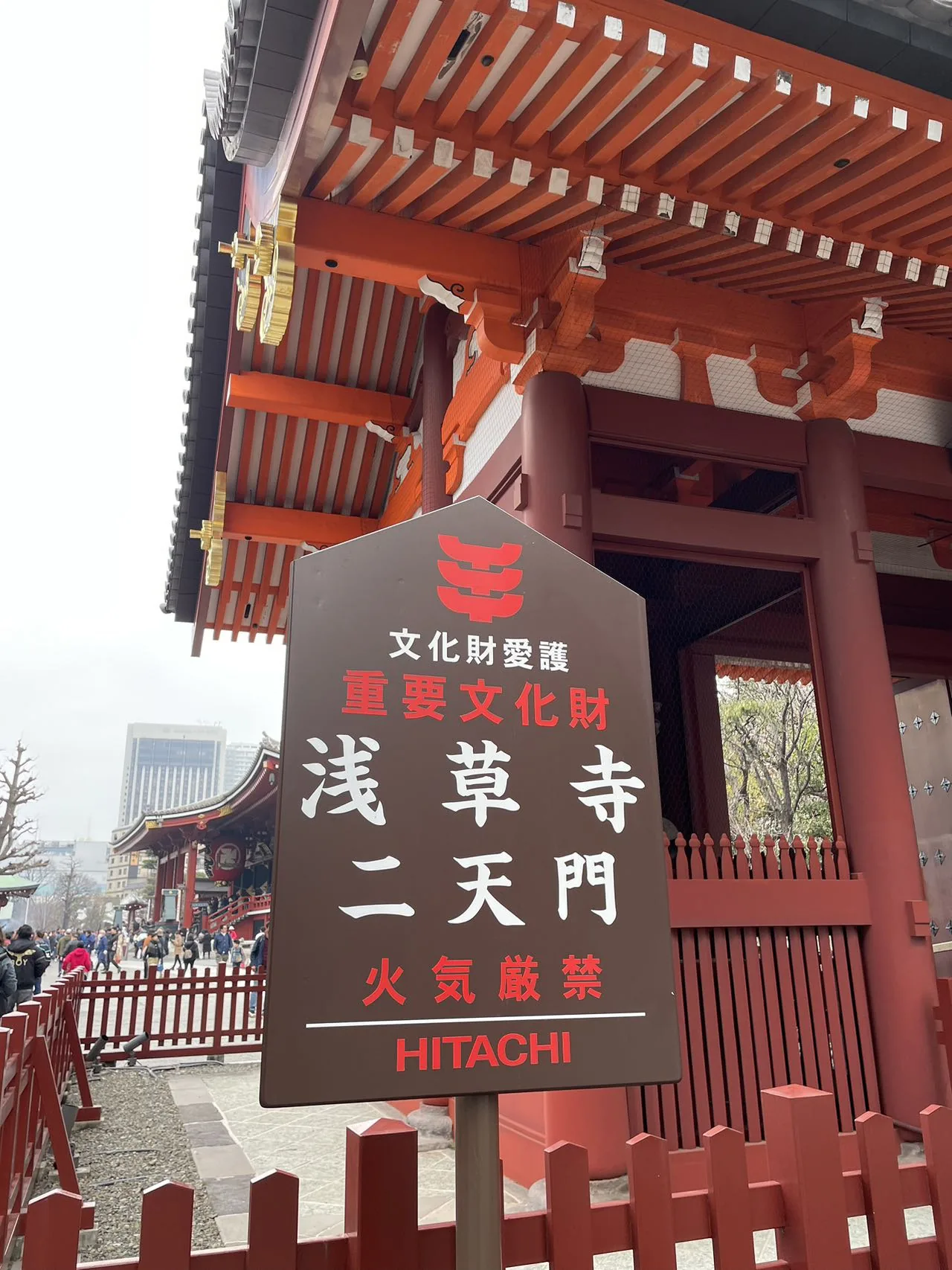

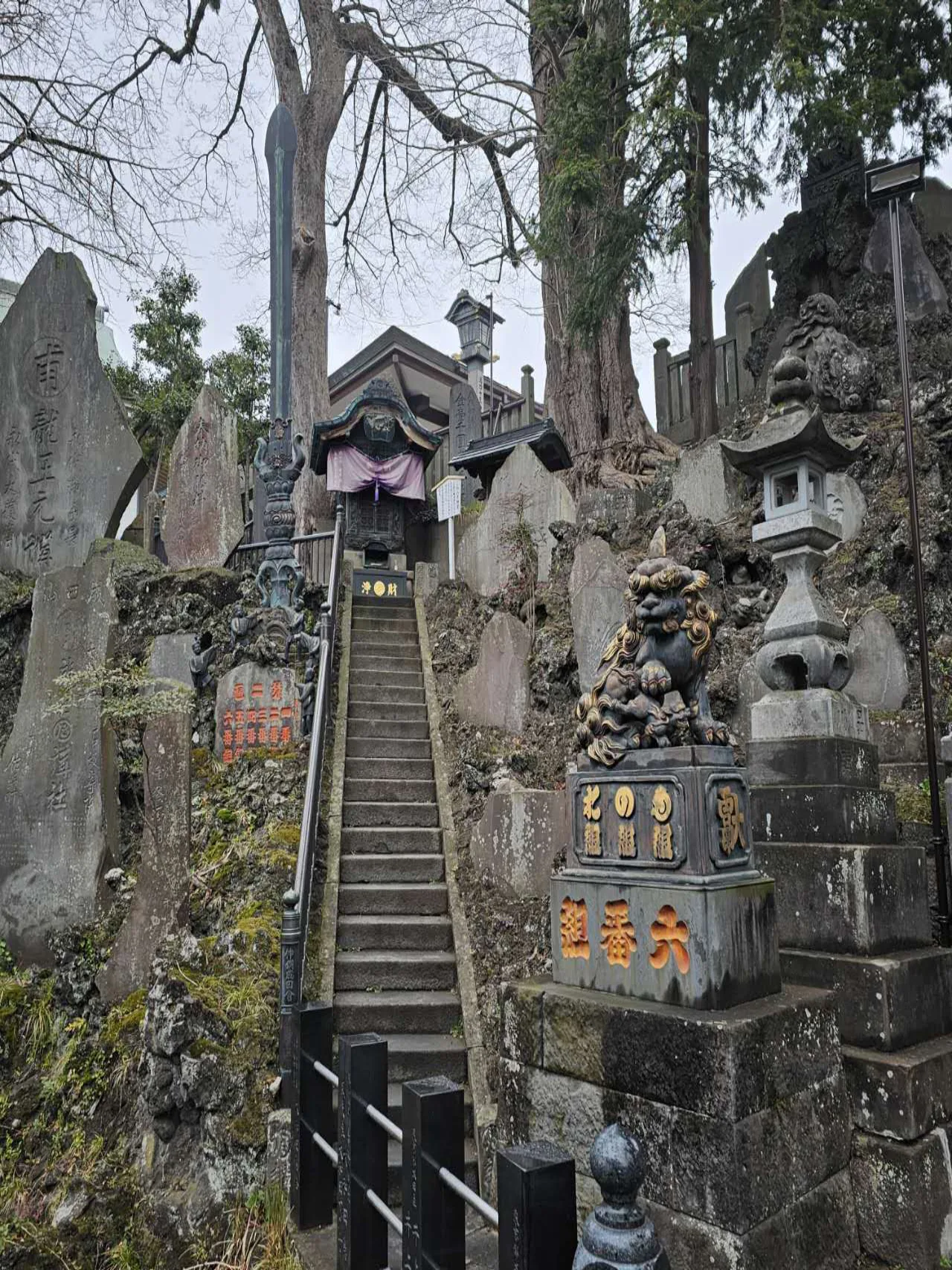
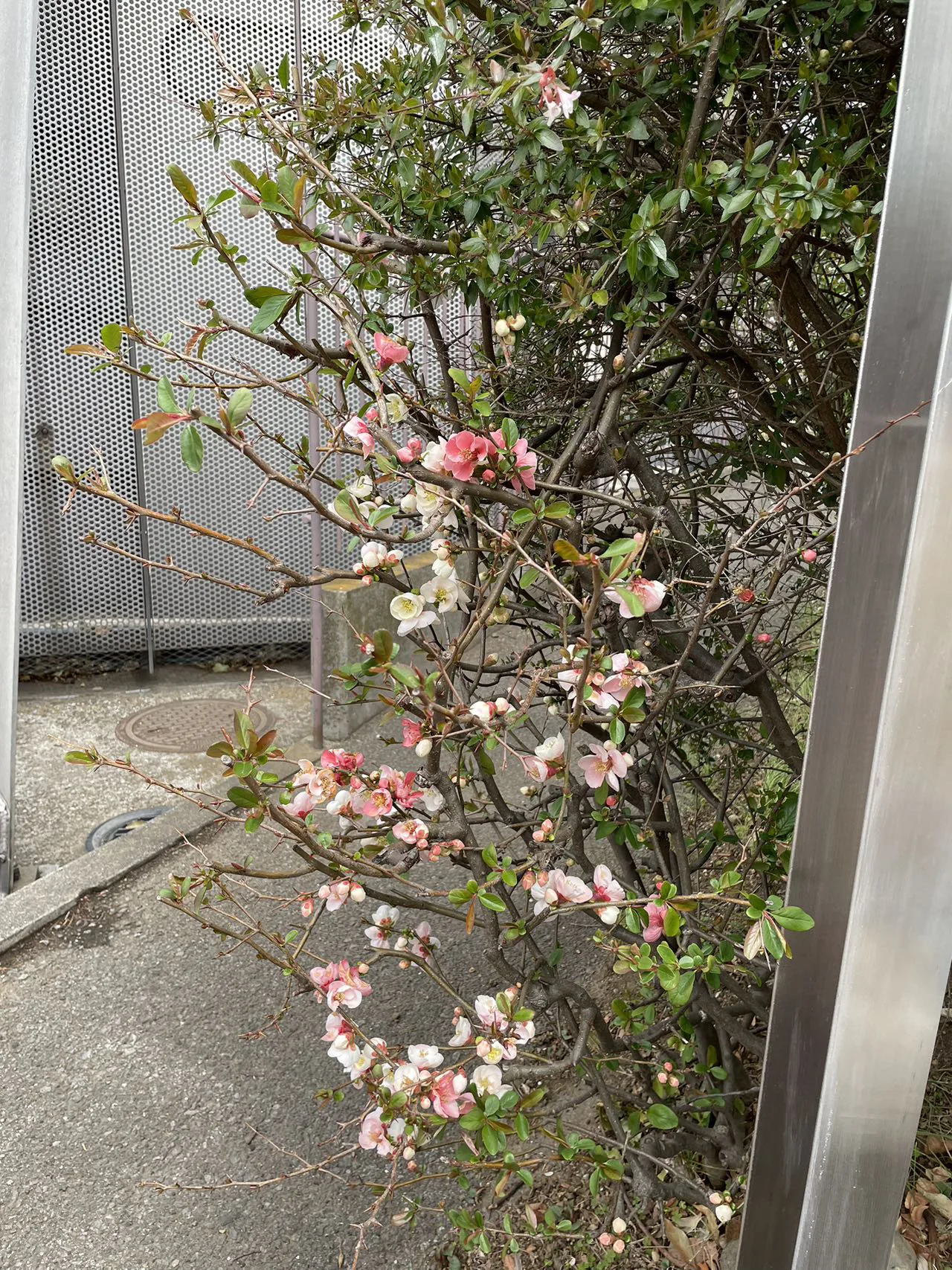
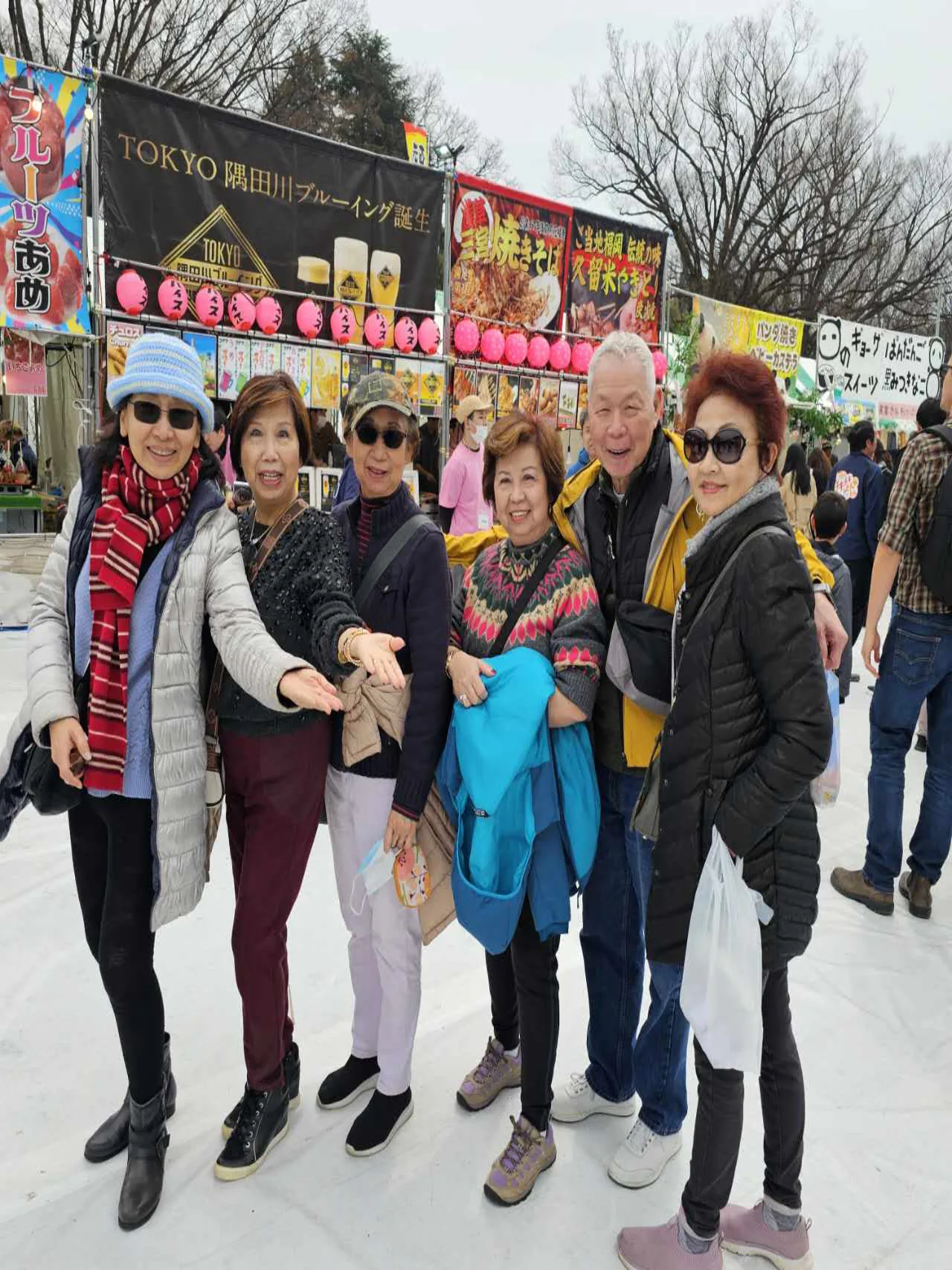
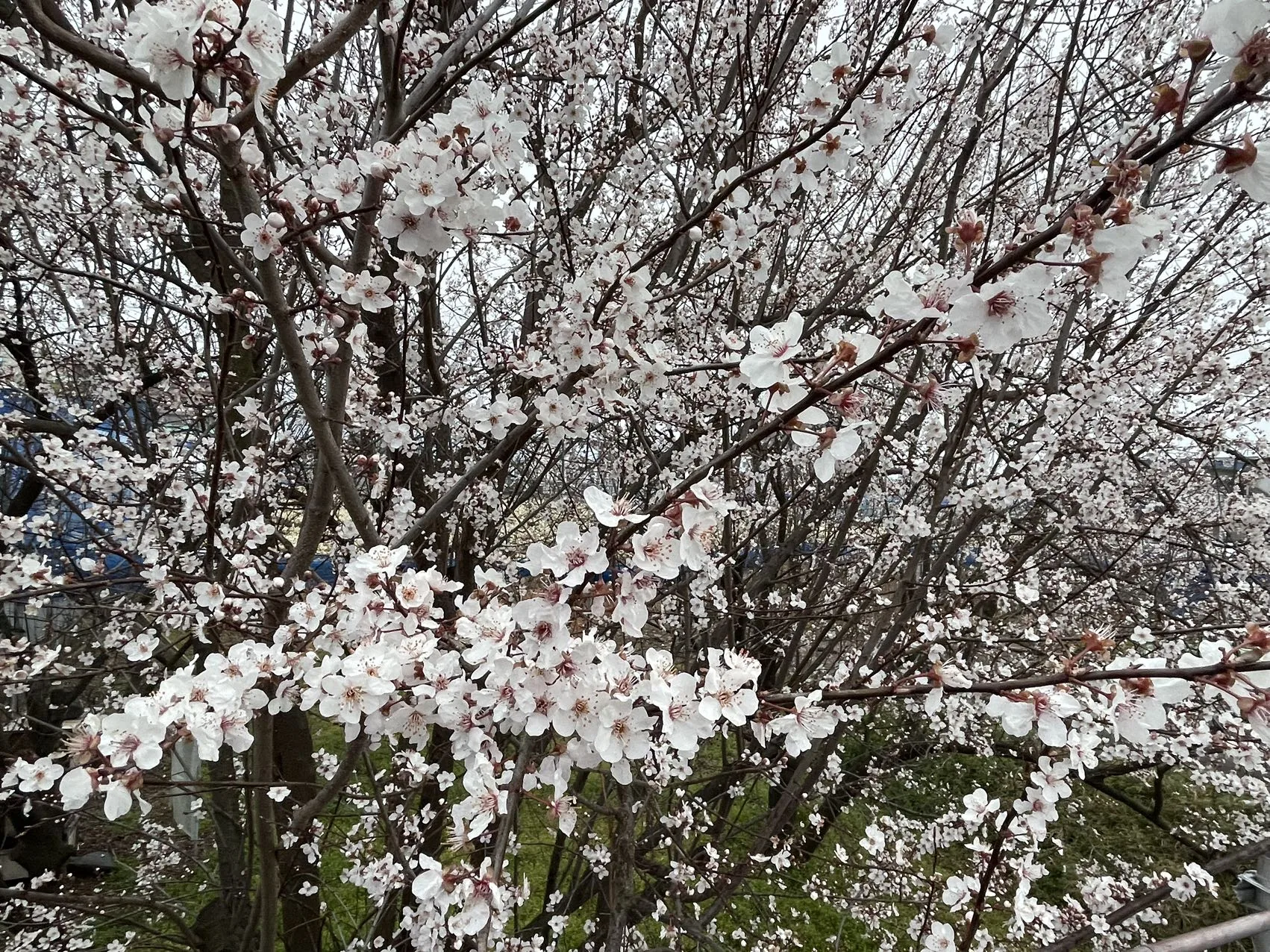
On this journey, we witnessed the romantic cherry blossoms together. The cherry blossoms dancing in the sky greeted our smiling faces, and suddenly the whole world felt beautiful! We first visited Senso-ji Temple, the oldest temple in eastern Tokyo, which attracts approximately three million worshippers annually and has become the center of the people's faith. We were honored to visit this ancient temple that has been rebuilt nearly twenty times. Ueno Park is perhaps the most artistically rich place, with various art exhibition notices throughout the park. Of course, the cherry blossoms within are also beautiful, and the food stalls offer an endless array of delicacies that make one's mouth water! Narita Shinshoji Temple is renowned for its magnificent and elegant architecture, and everyone marveled at the wonderful blend of classical charm and bright, vibrant style.
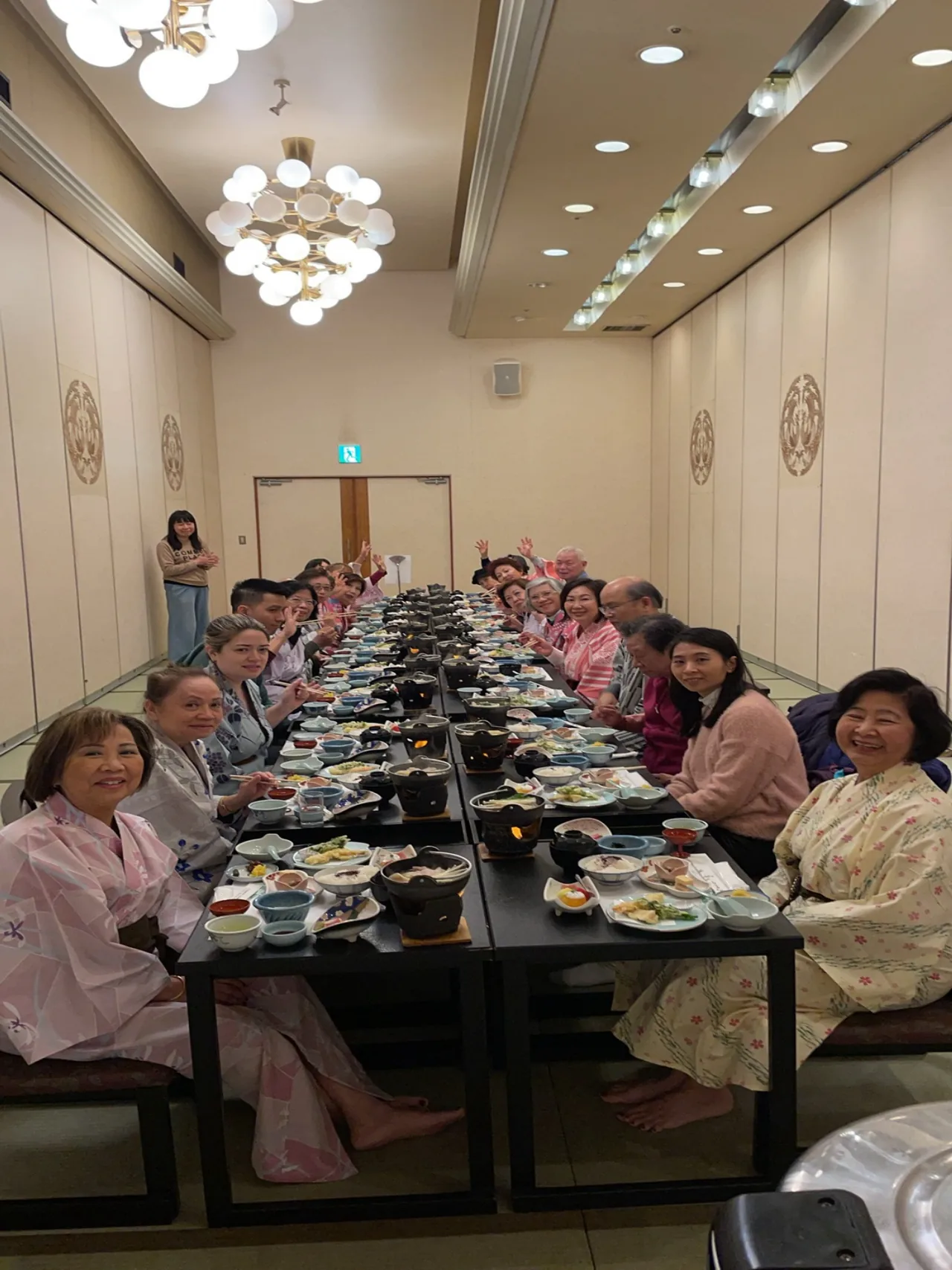
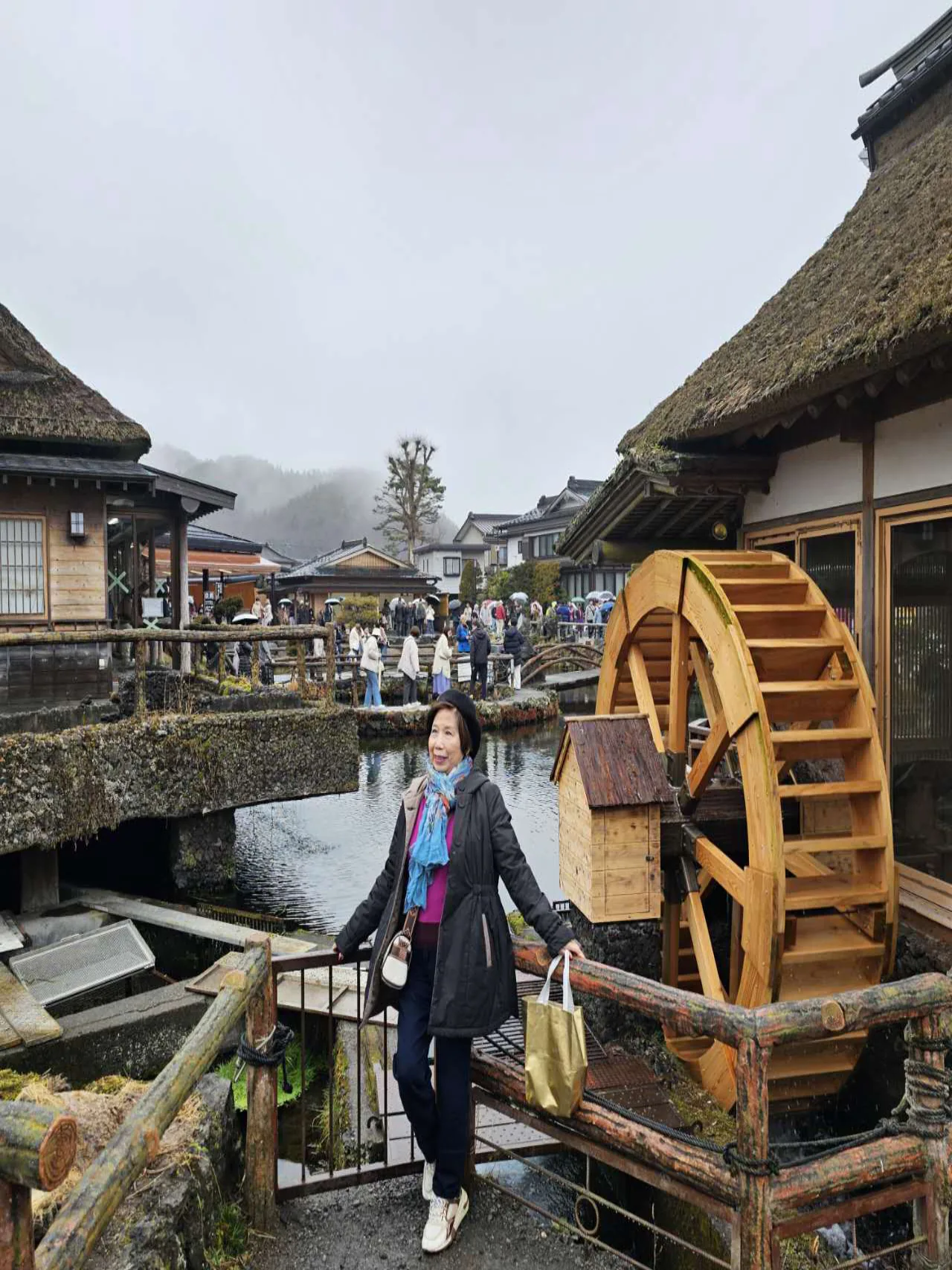
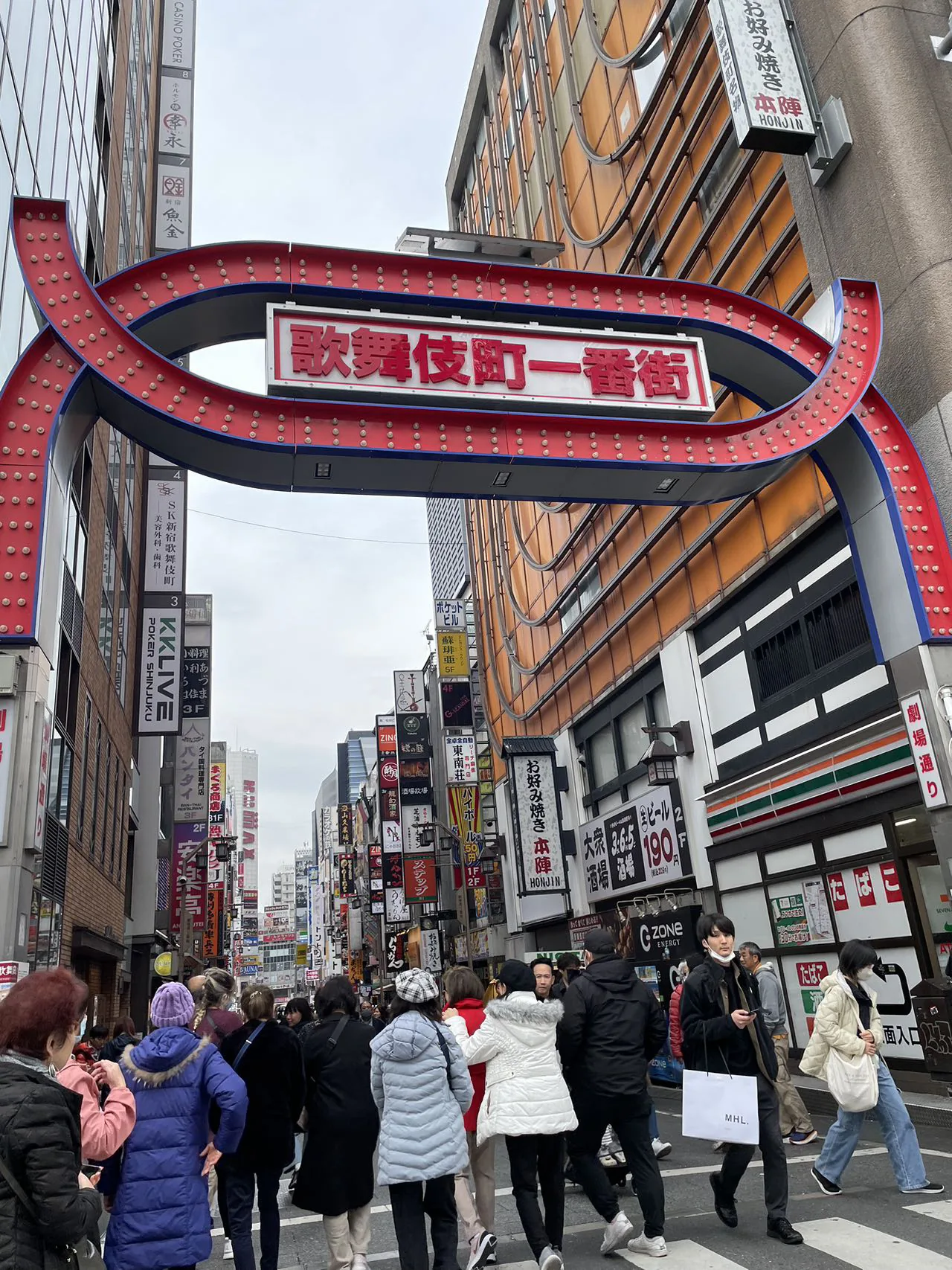
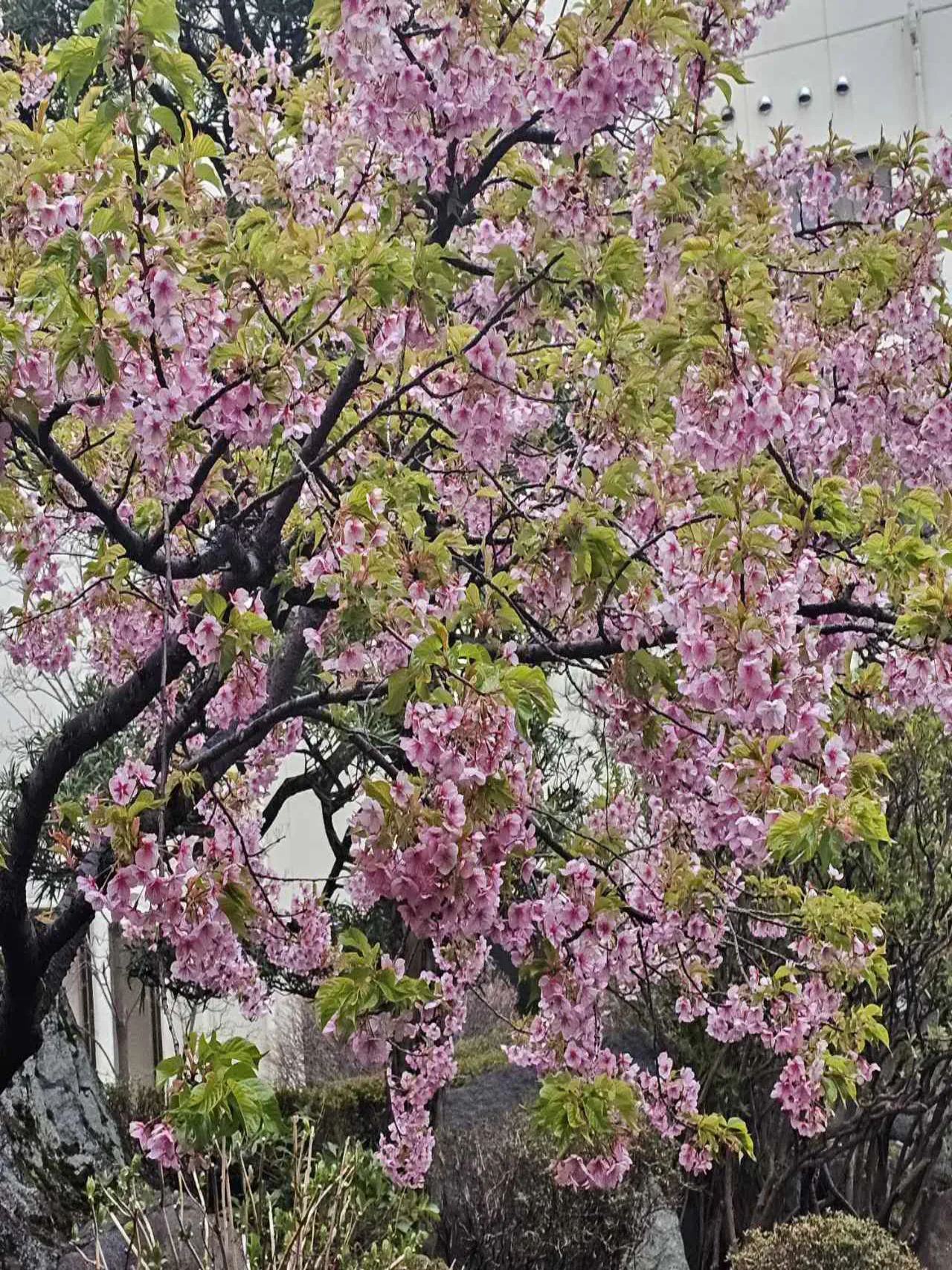
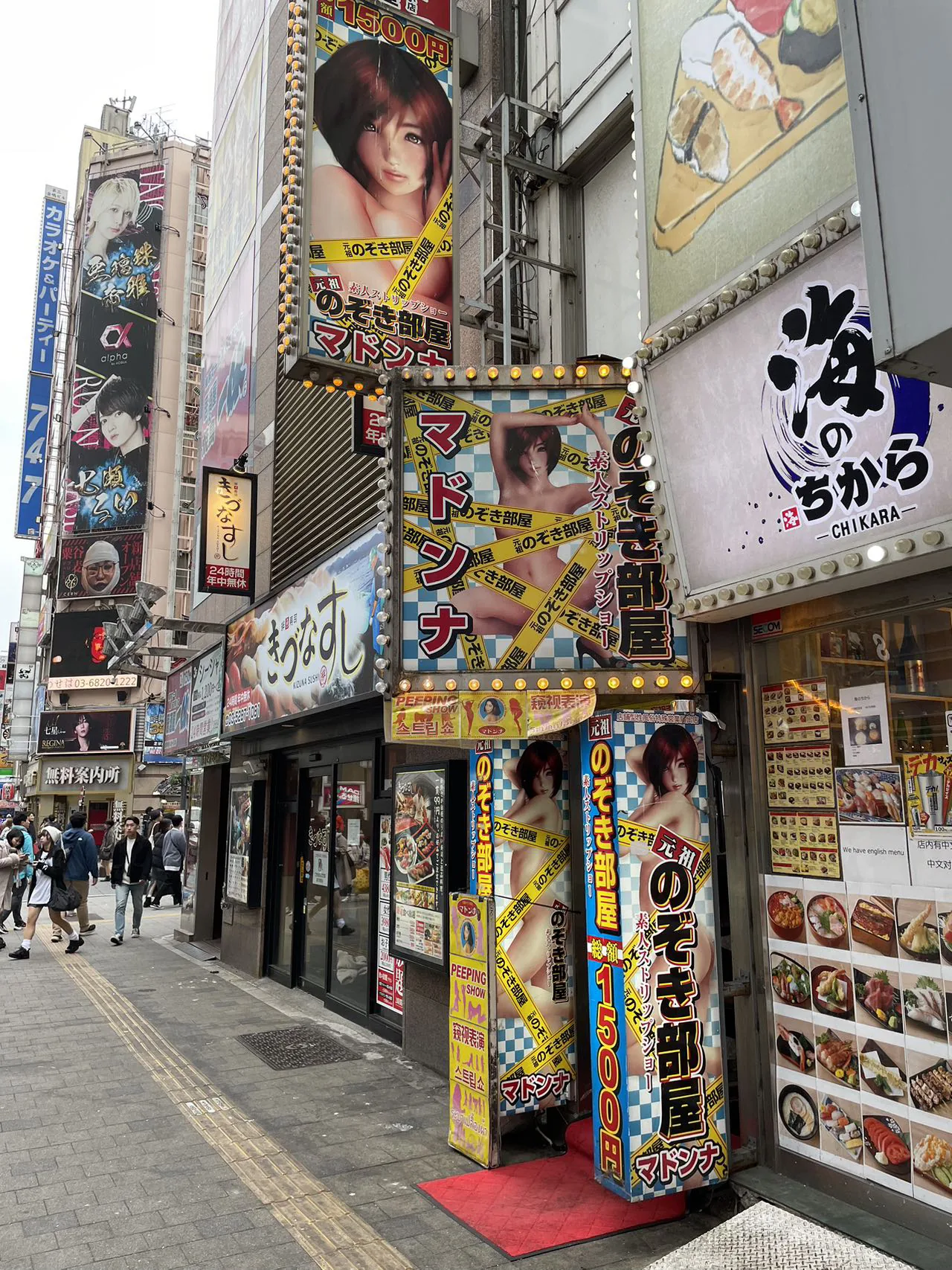
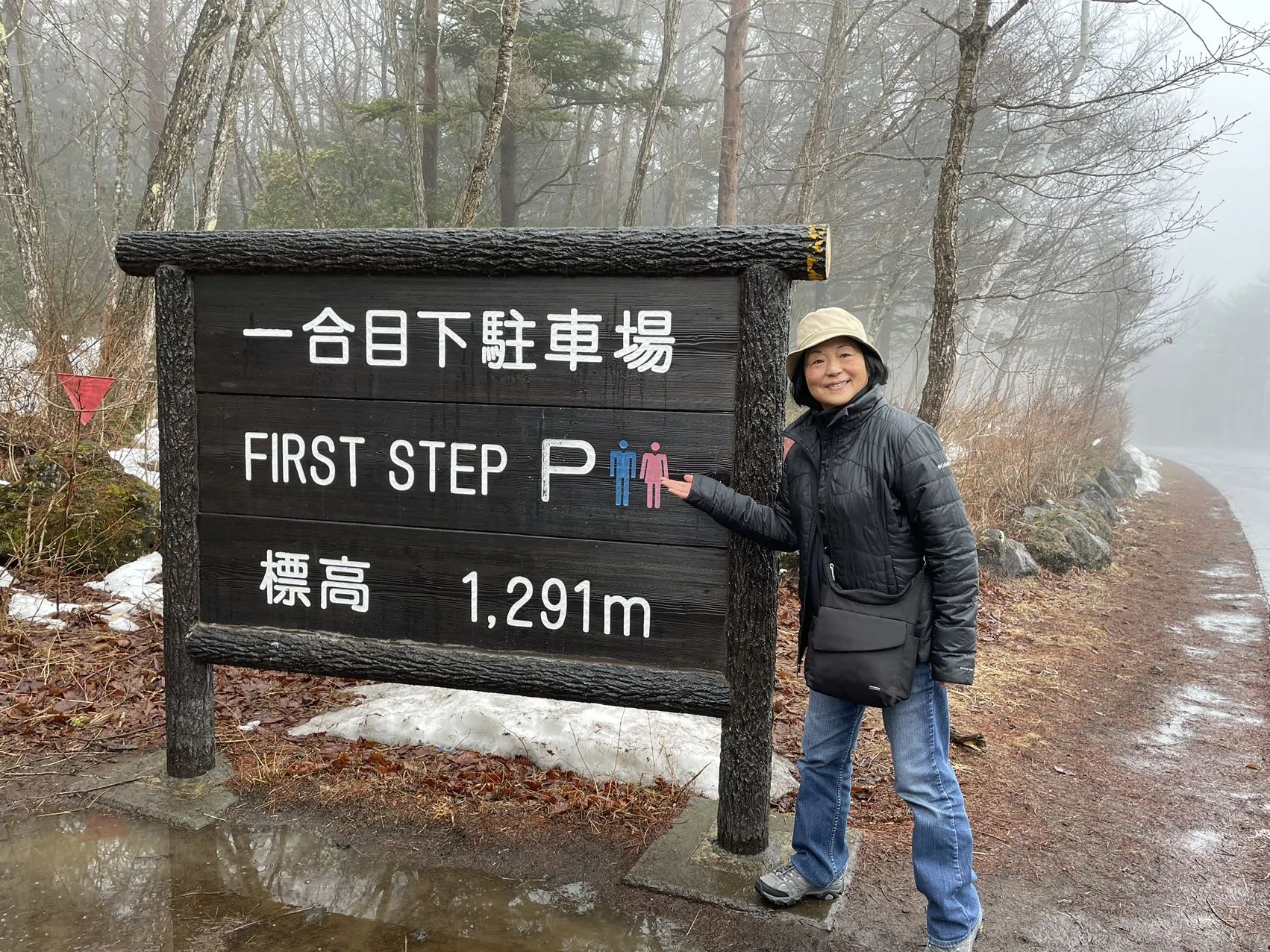
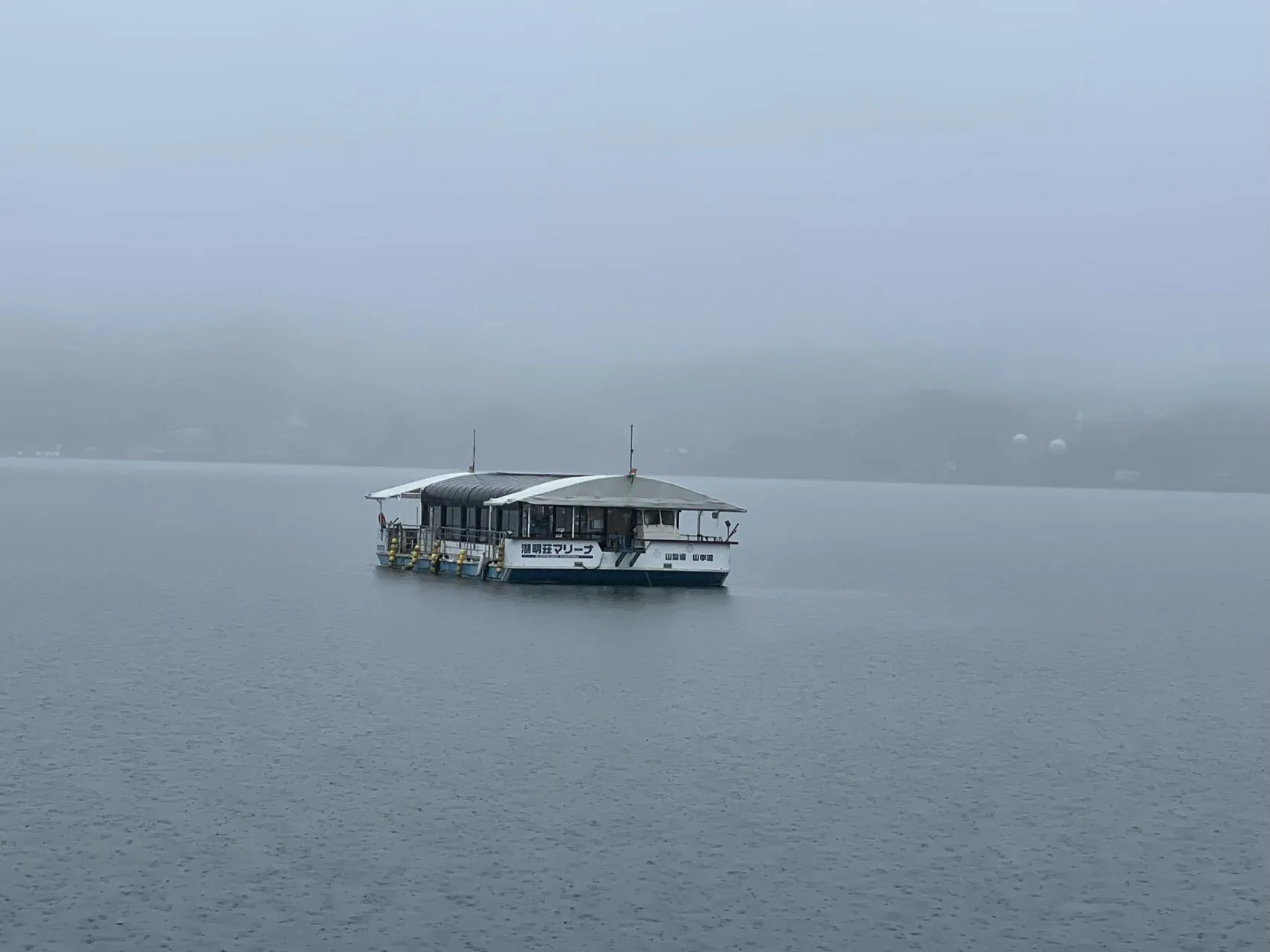
Kabukicho, where "ka" represents music, "bu" denotes dance, and "ki" refers to performance technique. Kabukicho 1-chome is filled with numerous cinemas, bars, nightclubs, and more. At night, it's brightly lit with constant foot traffic and is called the "Sleepless Street." When we visited, it was daytime, so we couldn't enjoy the evening bustle, but the various advertisement billboards on the roadsides gave us a preview of the nighttime spectacle. That evening we stayed at a hot spring resort, and the cherry blossoms here were equally beautiful. We dined in Japanese style wearing yukata while soaking in the onsen and admiring the cherry blossoms—truly a blissful experience! Climbing Mount Fuji has always been our goal, and the scenic beauty of Fuji First Station is extraordinary. The numerous mountain lodges, fireplaces, ancient primeval forests, and snow-capped mountain peaks surrounded us, making us forget the exhaustion of climbing and linger in the beauty of nature. The eight ponds of Oshino Hakkai were formed by volcanic eruptions and powerful volcanic activity. The Japanese ingeniously connected these eight ponds with bridges and pathways. The water in the ponds comes from underground springs and remains clear and clean year-round, making it some of Japan's finest spring water. It happened to be raining slightly when we visited. We walked through this quiet village holding umbrellas, observing traditional thatched-roof houses and slowly turning water wheels, with raindrops creating ripples on the water, forming a quiet yet touching scene.
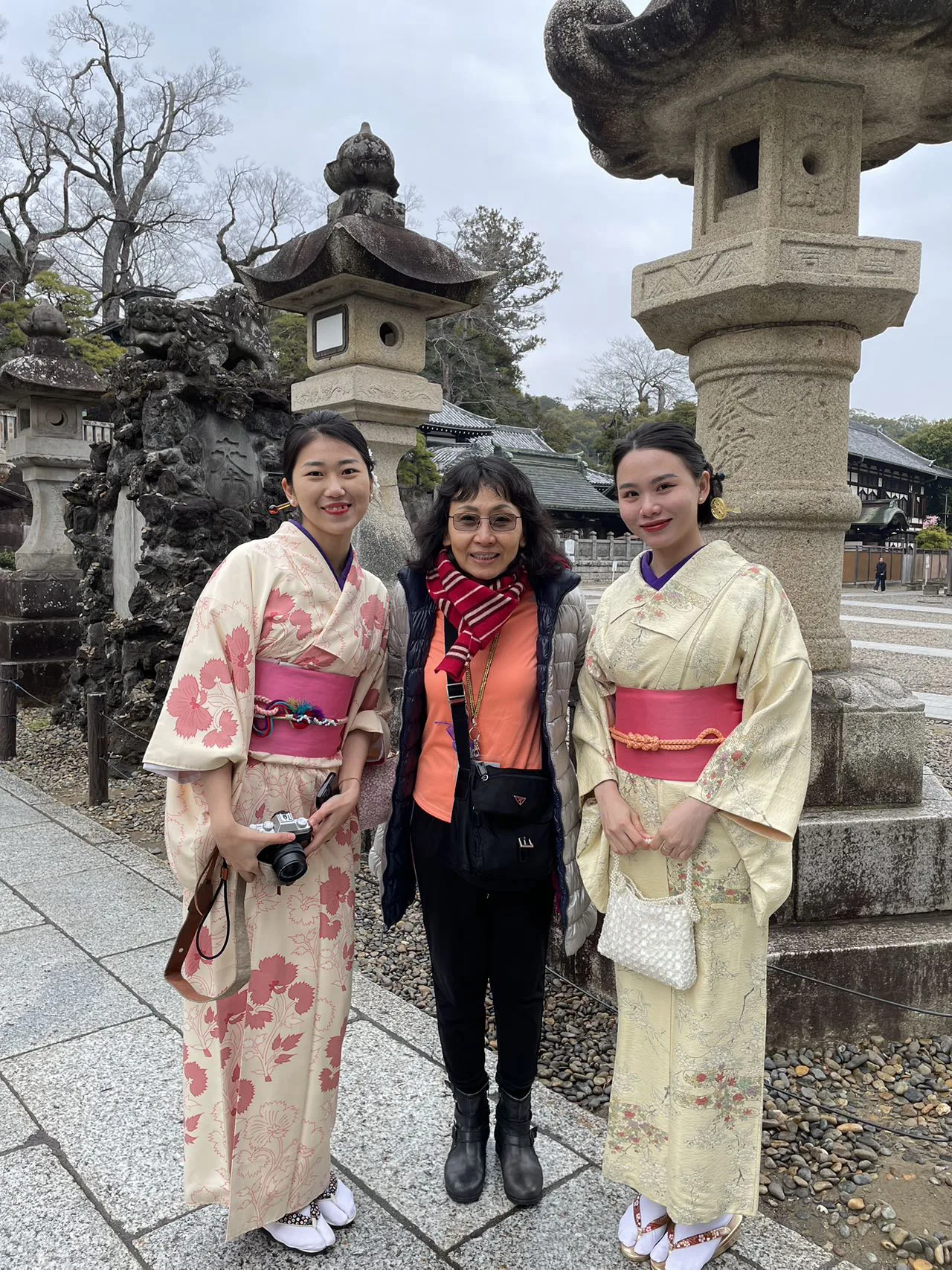
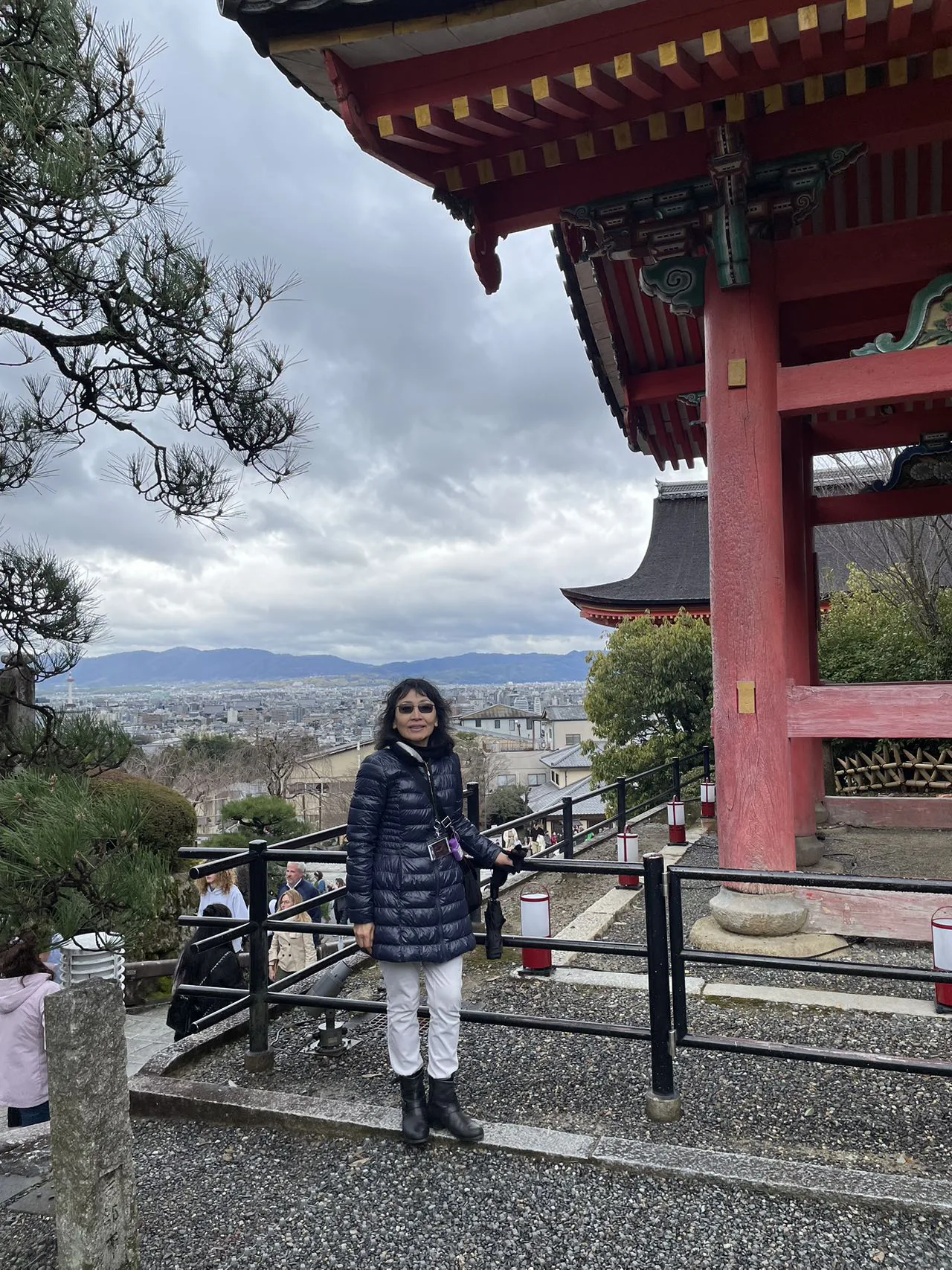
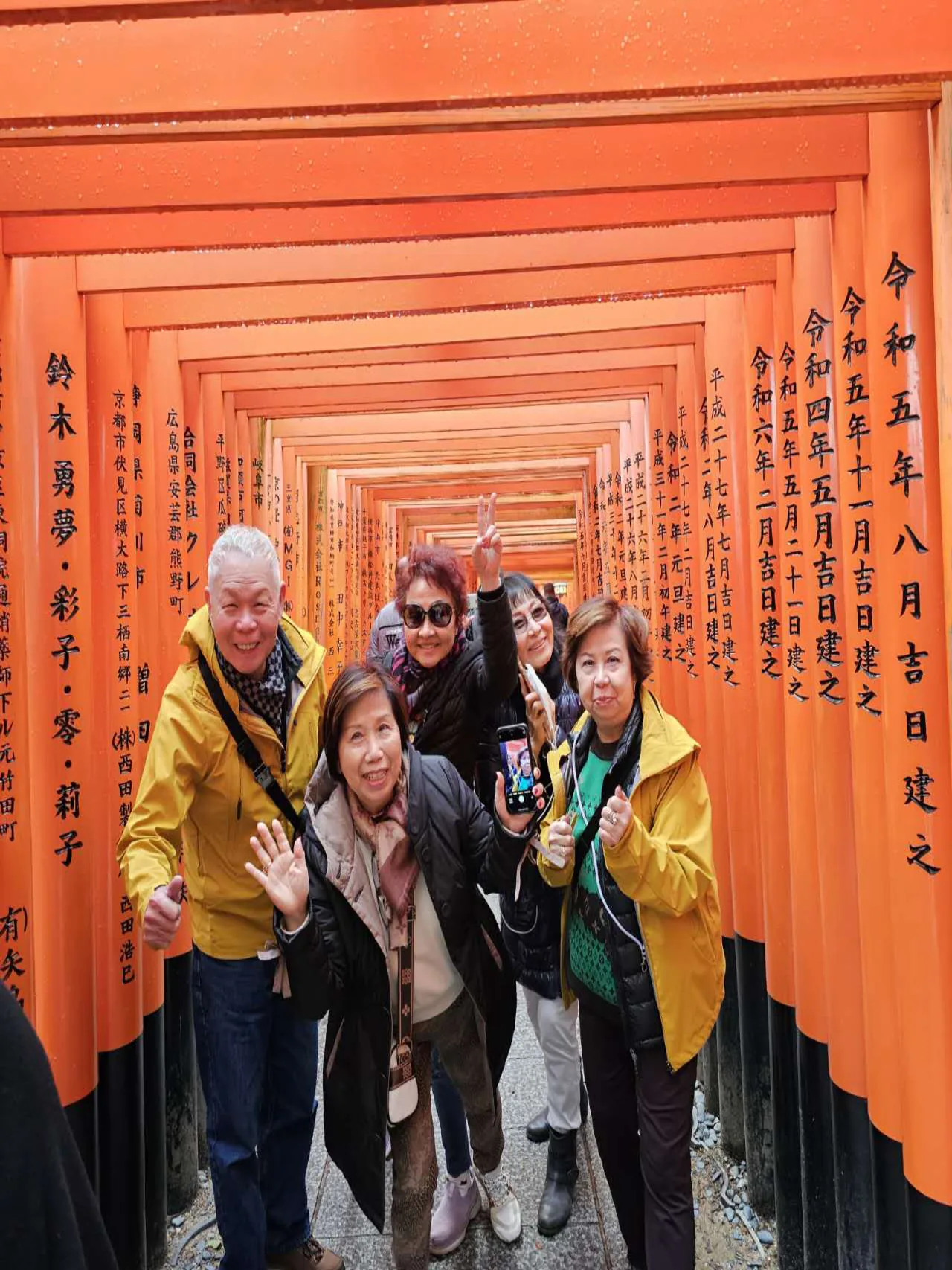
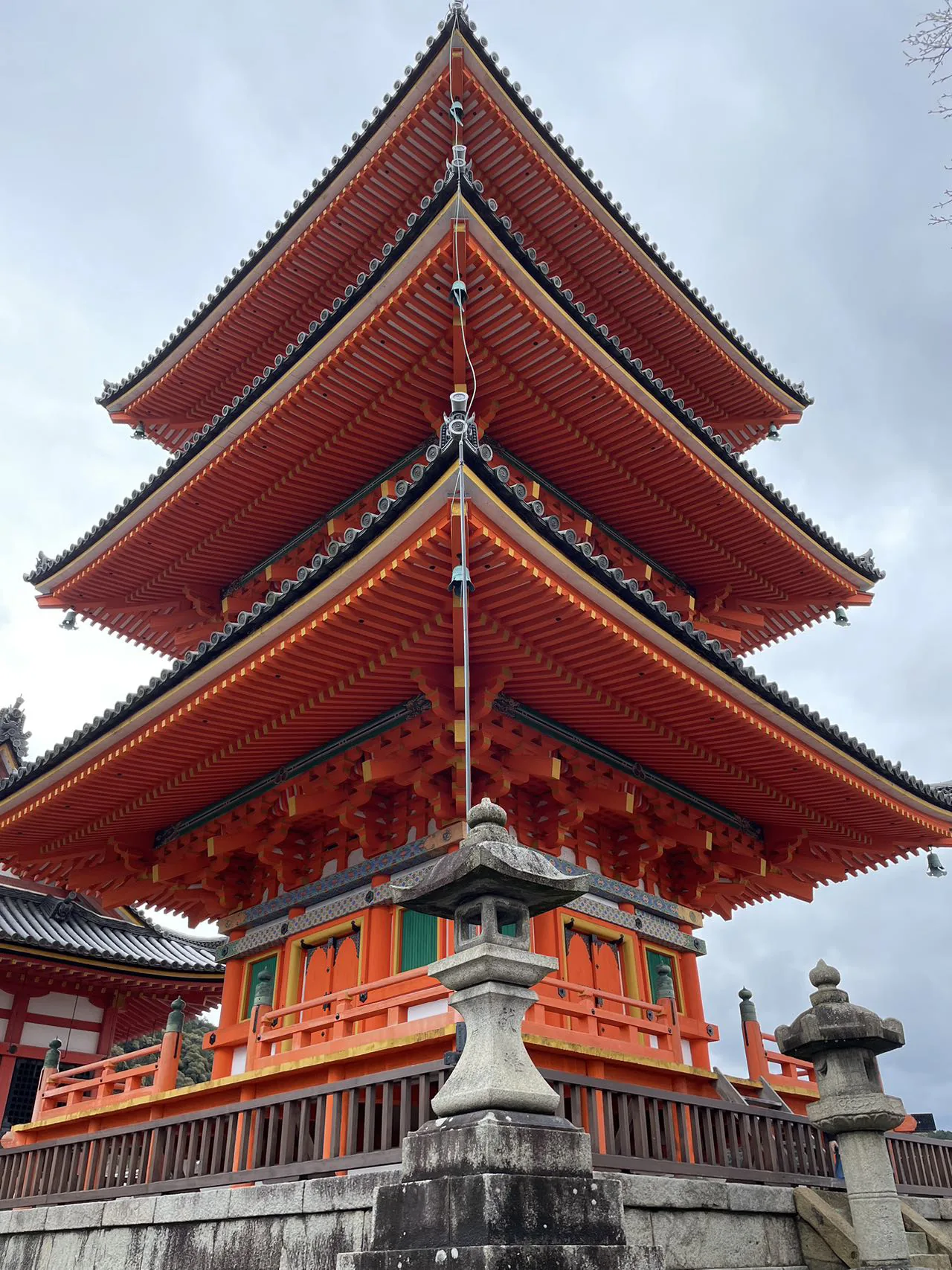
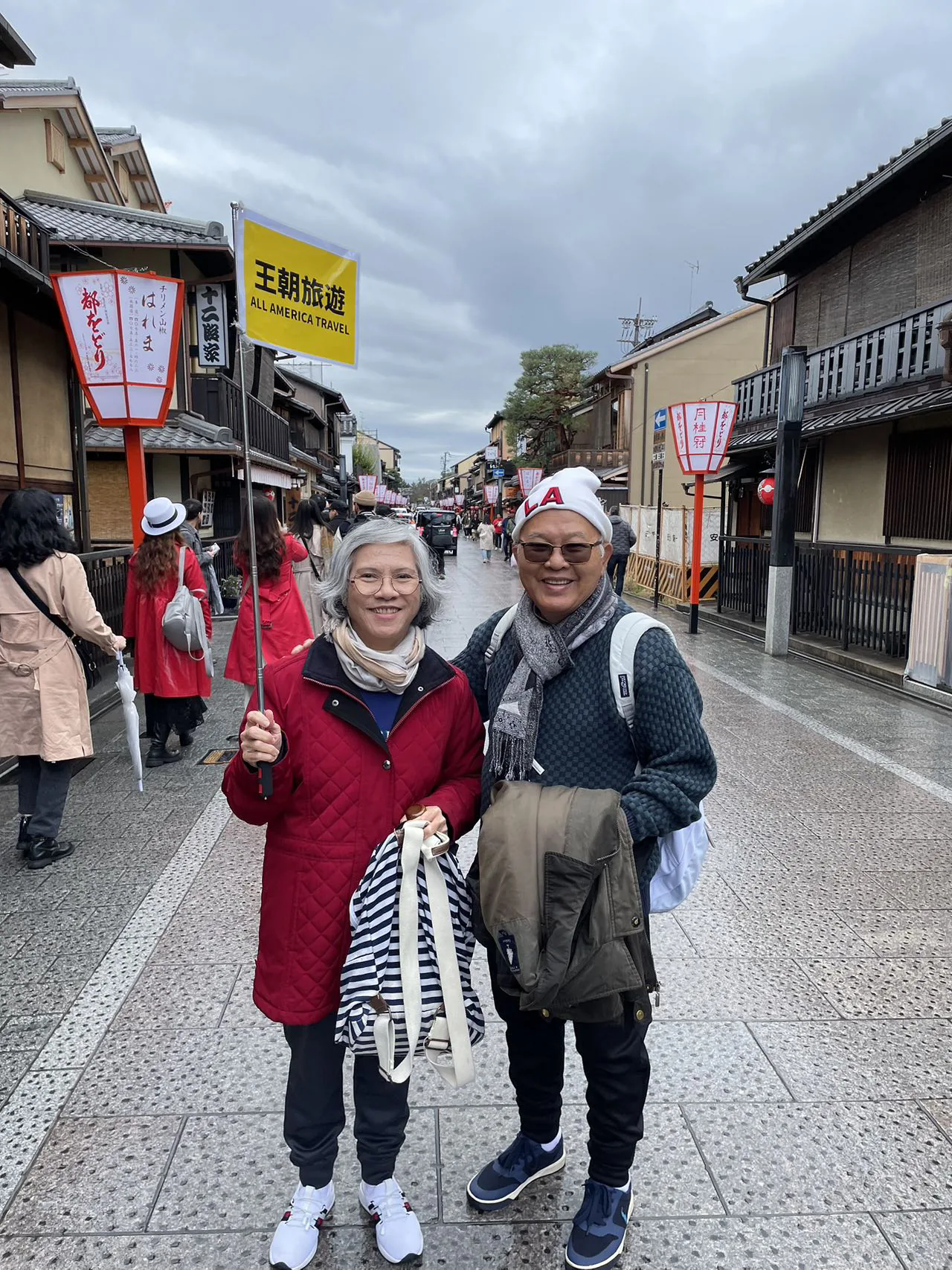
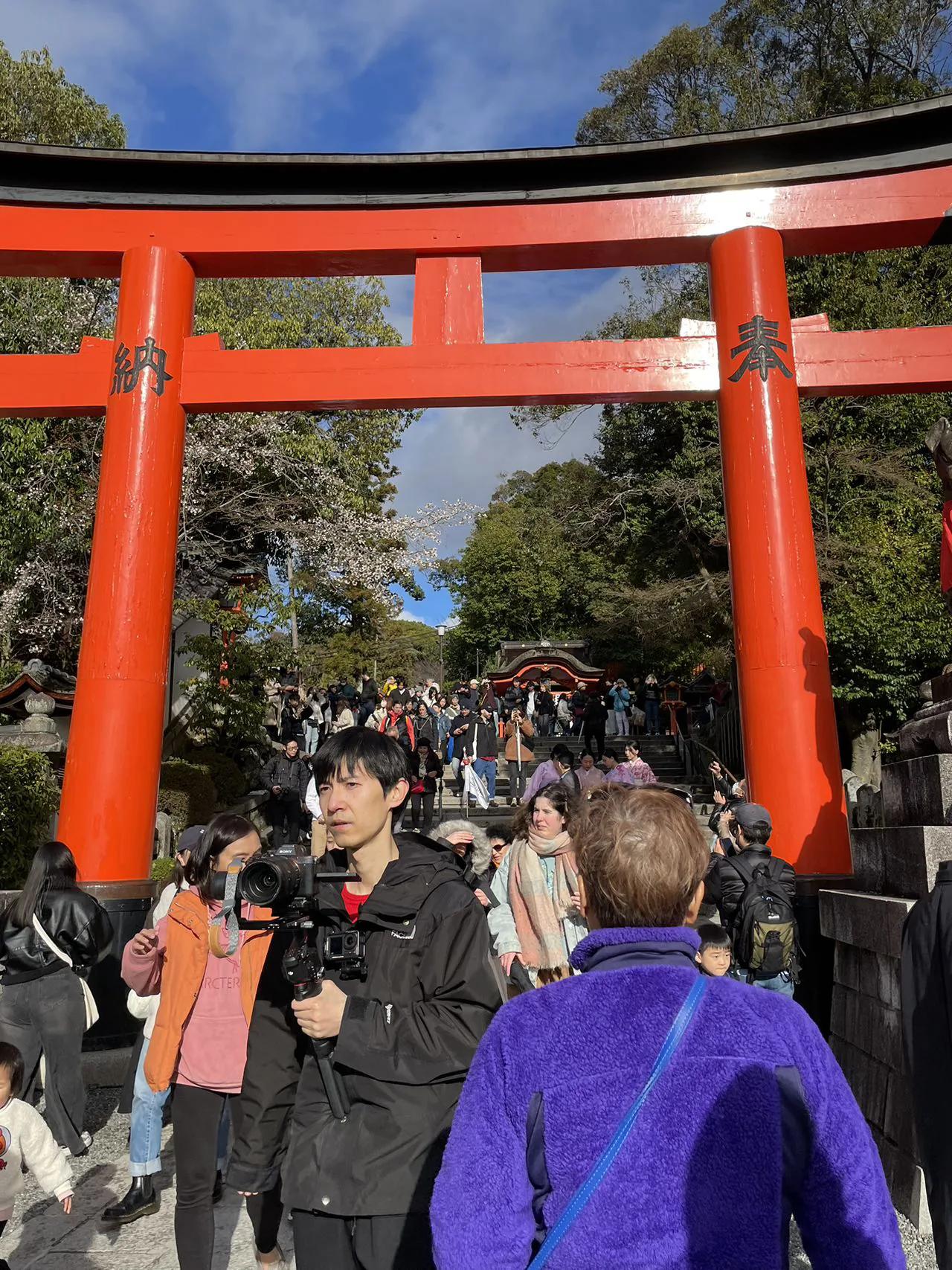
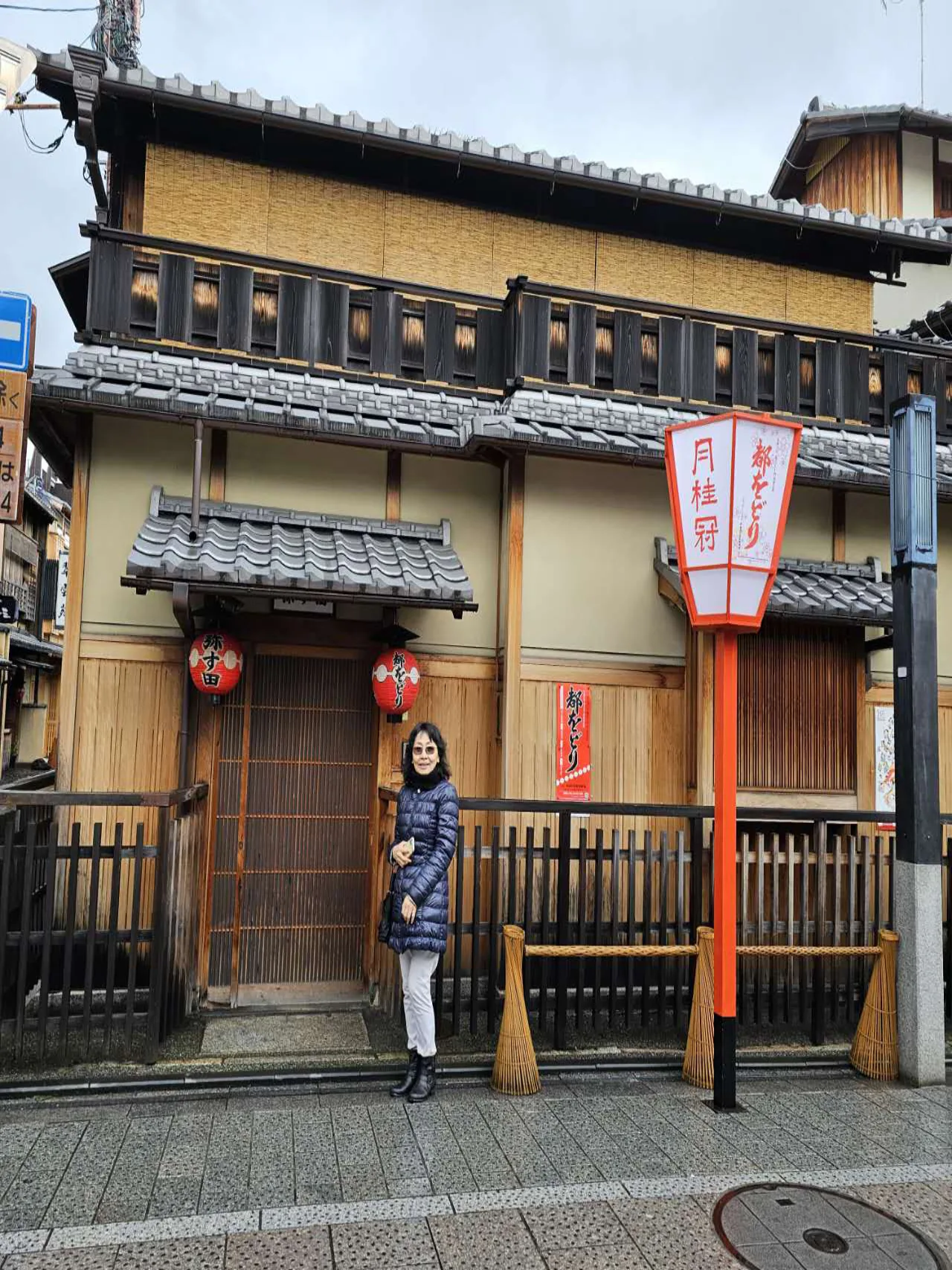
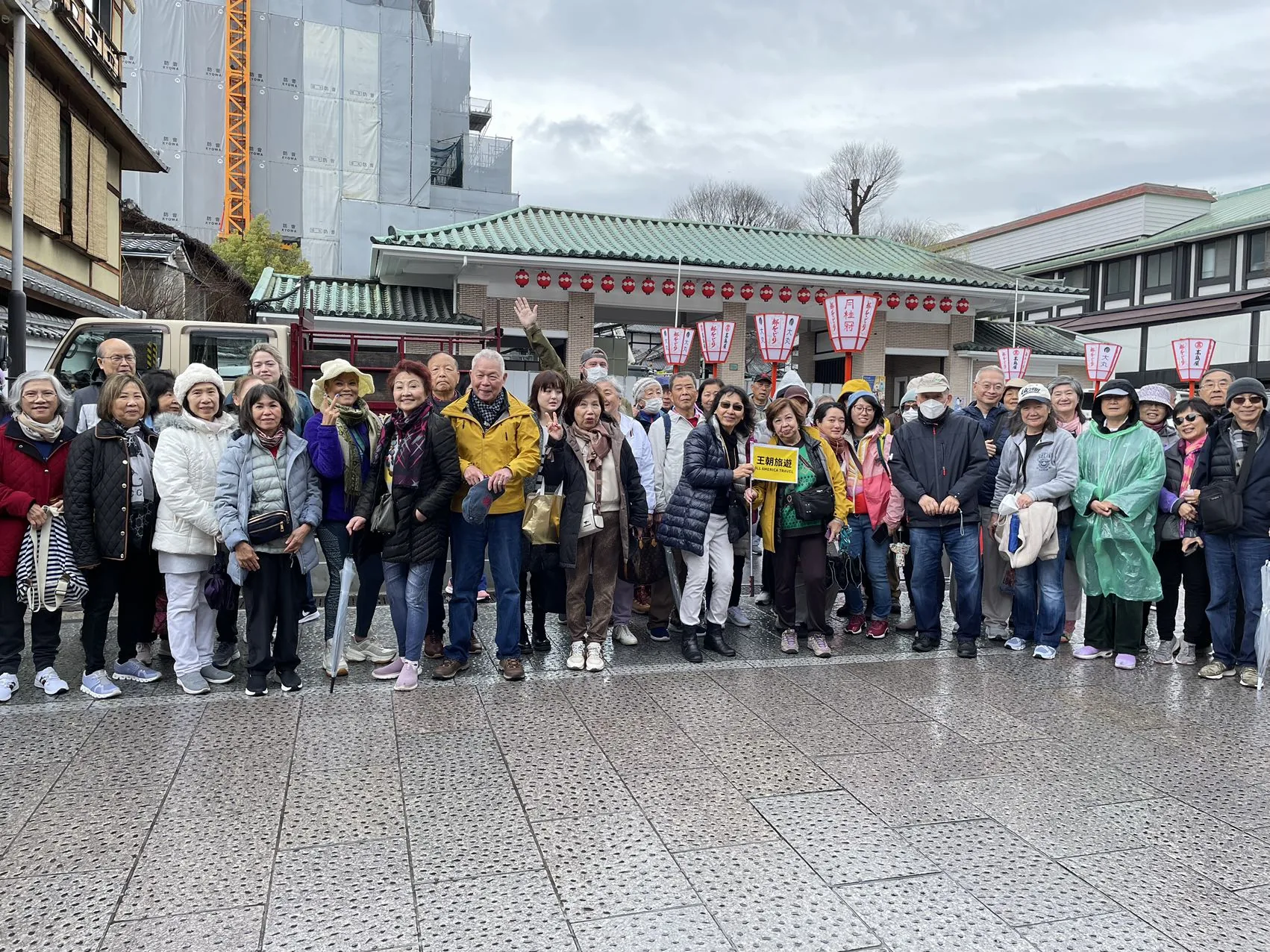
Fushimi Inari Taisha is the head shrine of Inari shrines throughout Japan. There are over 30,000 Inari shrines in Japan, worshipped in companies, on building rooftops, and on private land, as well as serving as imperial shrines. The emperors of old frequently donated incense to these shrines. Both the main hall and torii gates are red, symbolizing the abundance of all things. The entire hillside is covered with countless red torii gates forming an endless tunnel. Walking through these mystical red arches with light filtering in, we could glimpse small shrines on the rocks, and the air seemed to carry a solemn and sacred atmosphere. Kiyomizu-dera Temple is famous for its clear spring water. The spring divides into three streams, each representing longevity, health, and wisdom. This is Kyoto's oldest temple and has been listed as a UNESCO World Heritage Site. The cherry blossoms here are particularly brilliant, making it a must-visit spot for cherry blossom viewing in Kyoto. The ancient temple, trees full of cherry blossoms, and pathways covered with pink petals, like pink snow, with distant temple bells echoing faintly—all of this quieted our hearts. Hanami-koji Street best represents Kyoto's unique Japanese charm. With its distinctive Edo-period architecture, women dressed in kimono walking by, meticulously designed restaurants, uniquely designed izakayas, historic stone-paved paths, authentic Japanese tea ceremonies, Japanese-style masks sold at small stalls—all representing the essence of Japan.
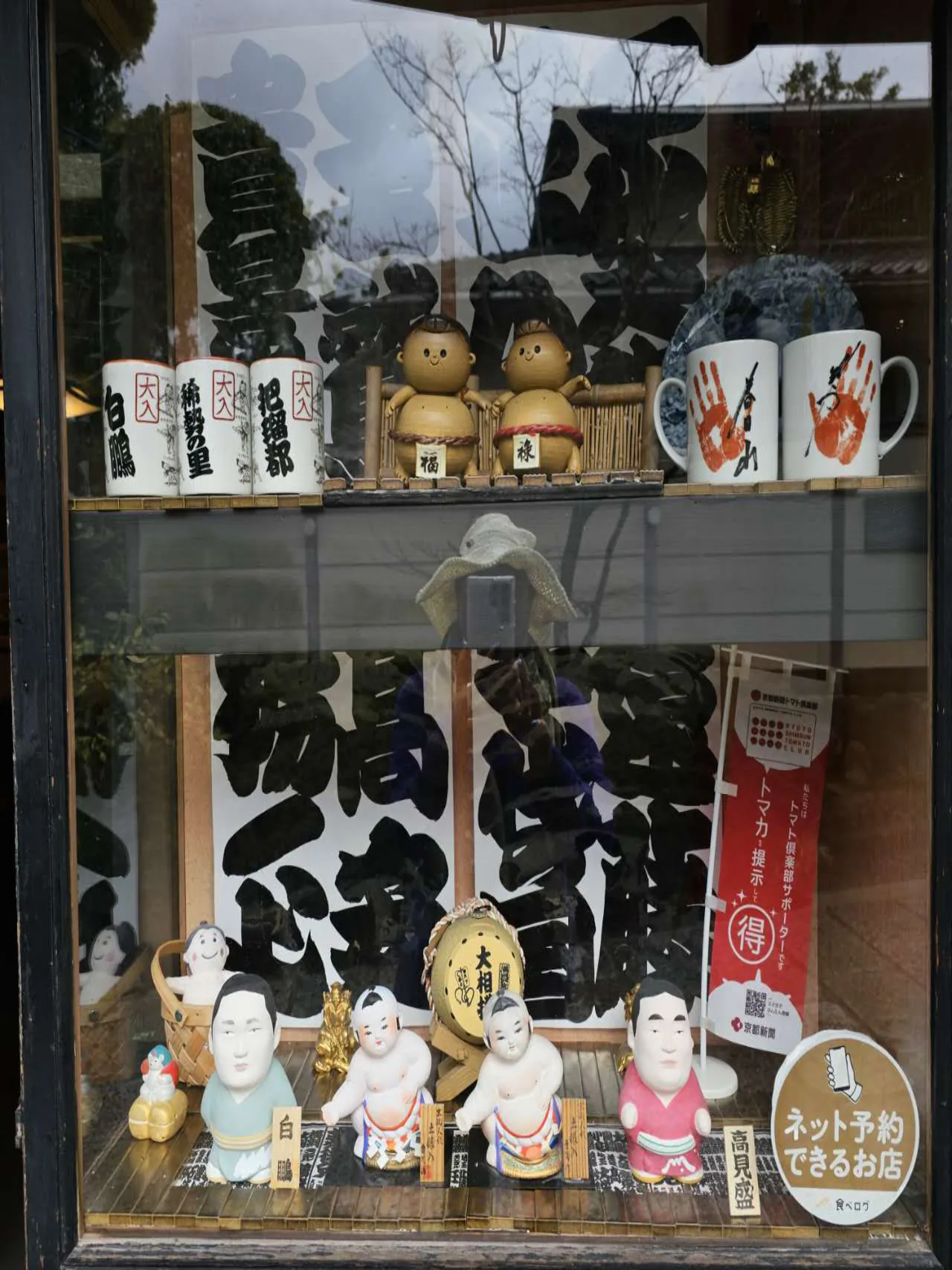
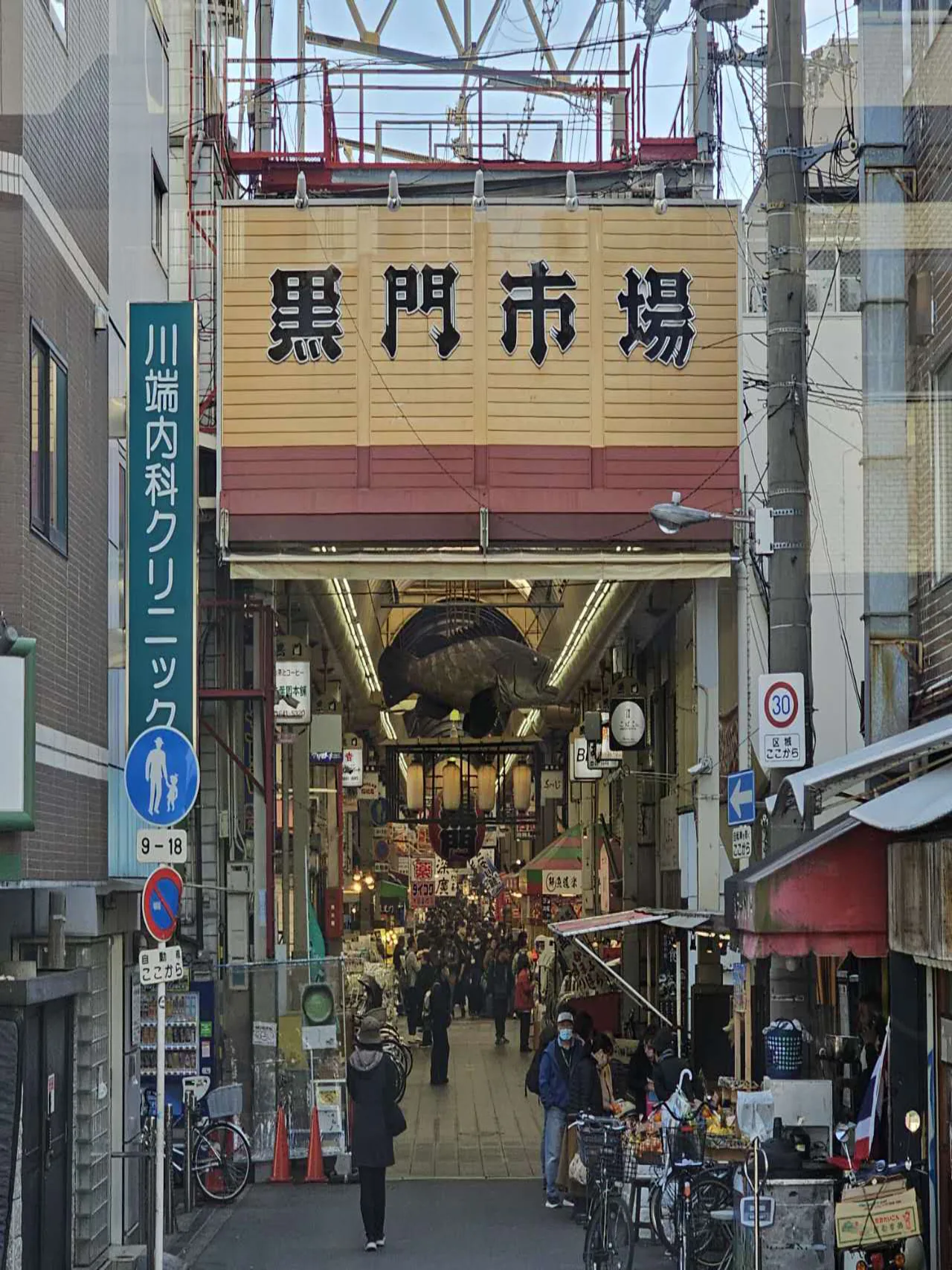
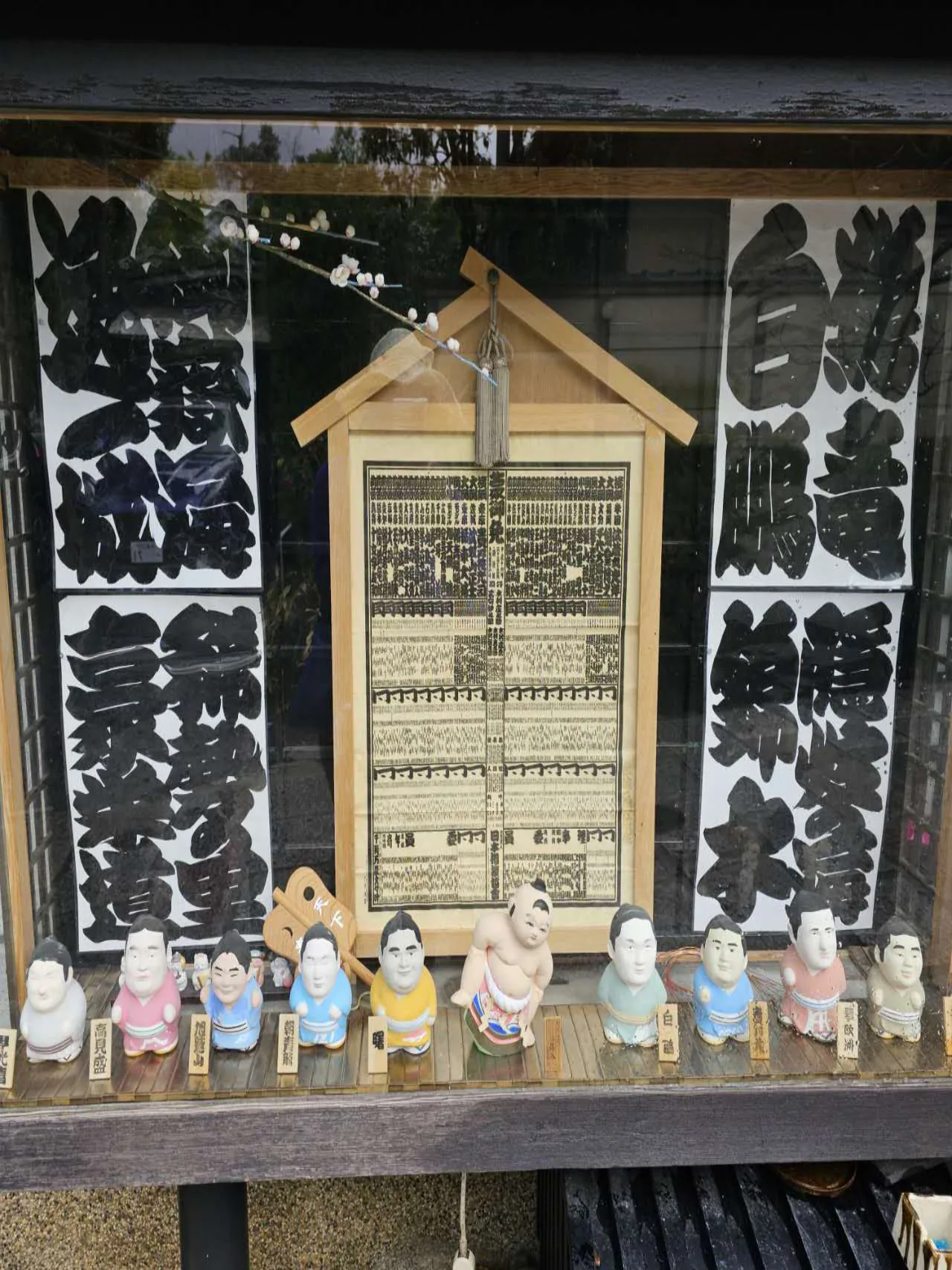
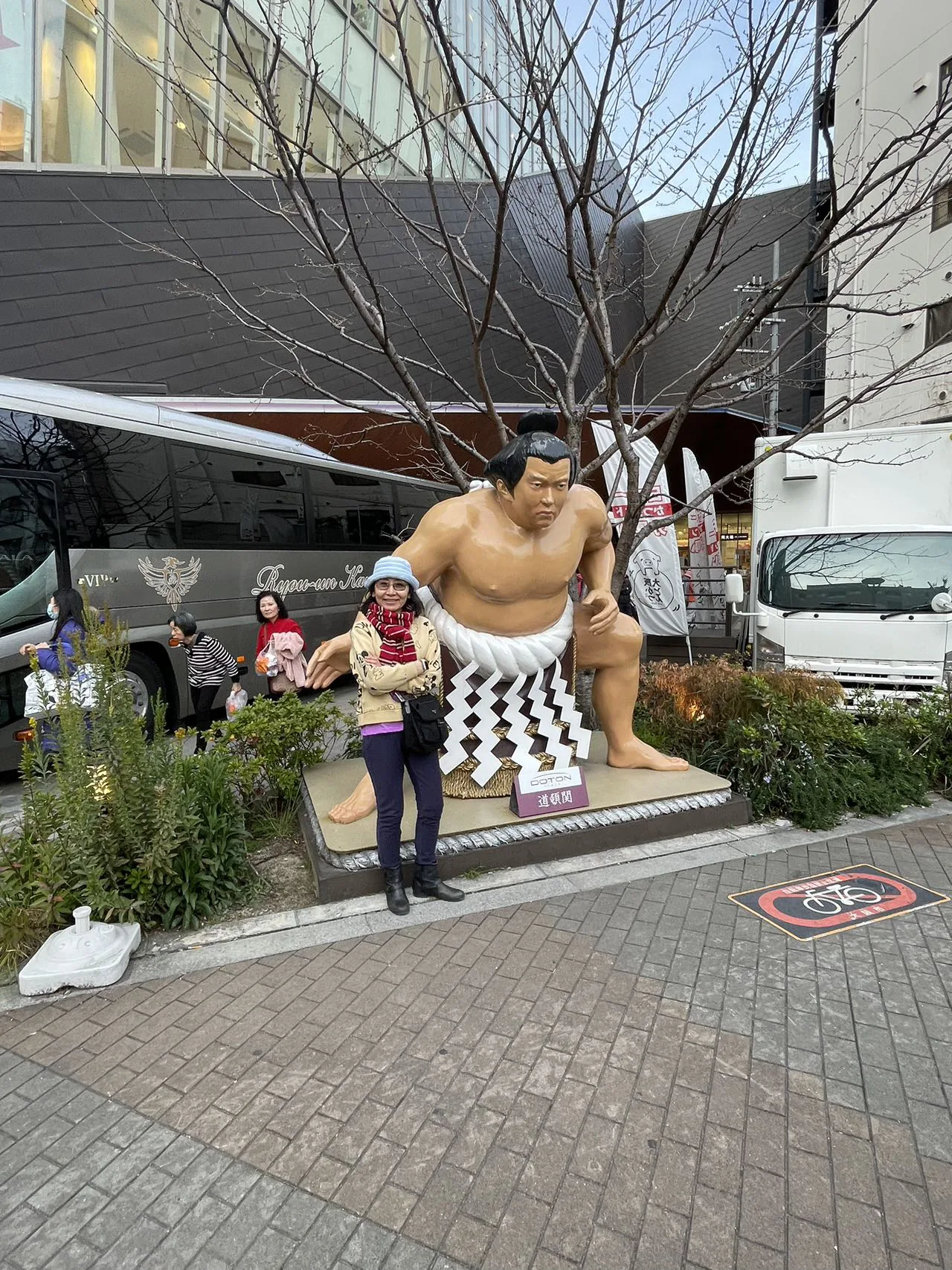
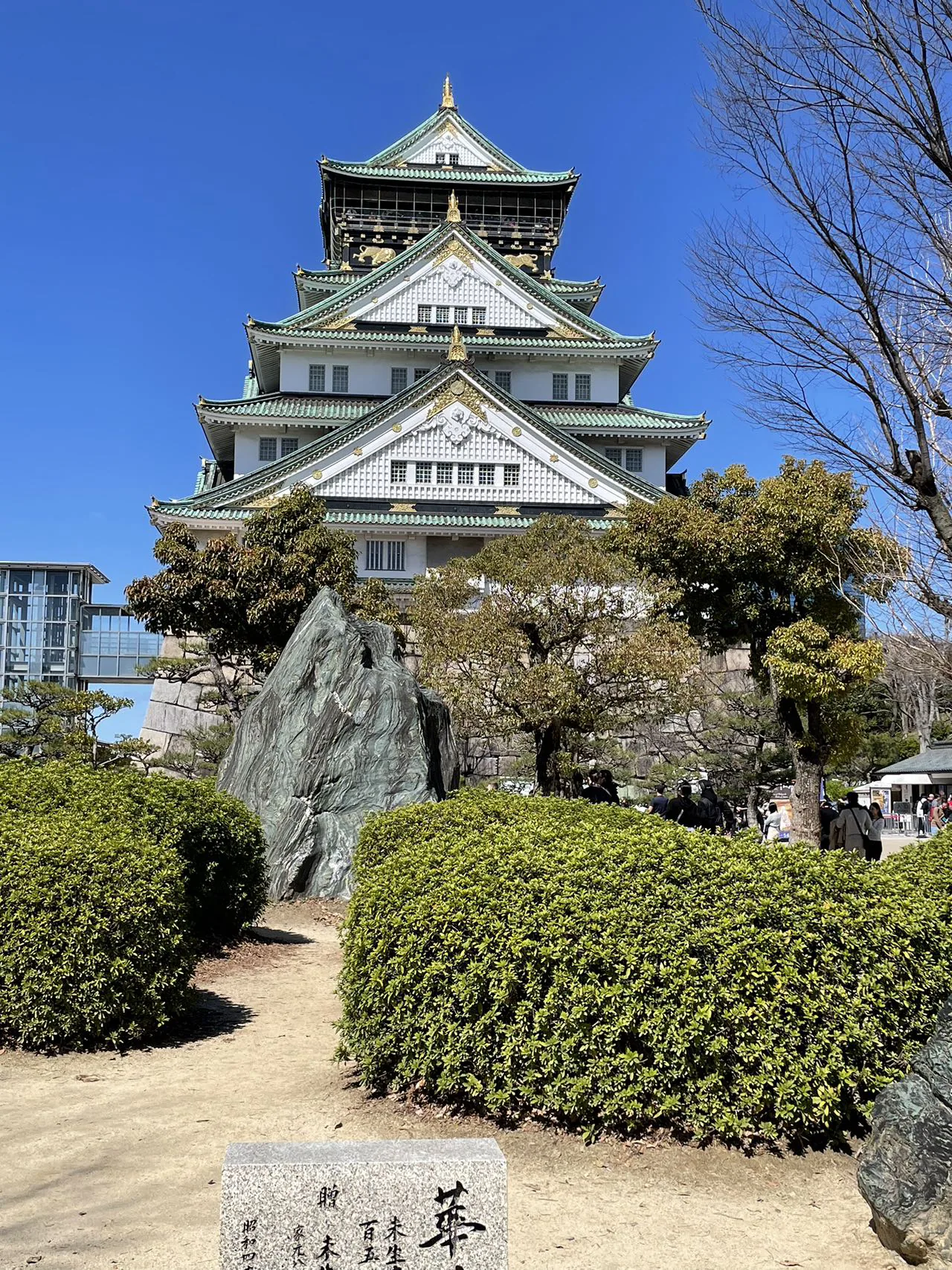
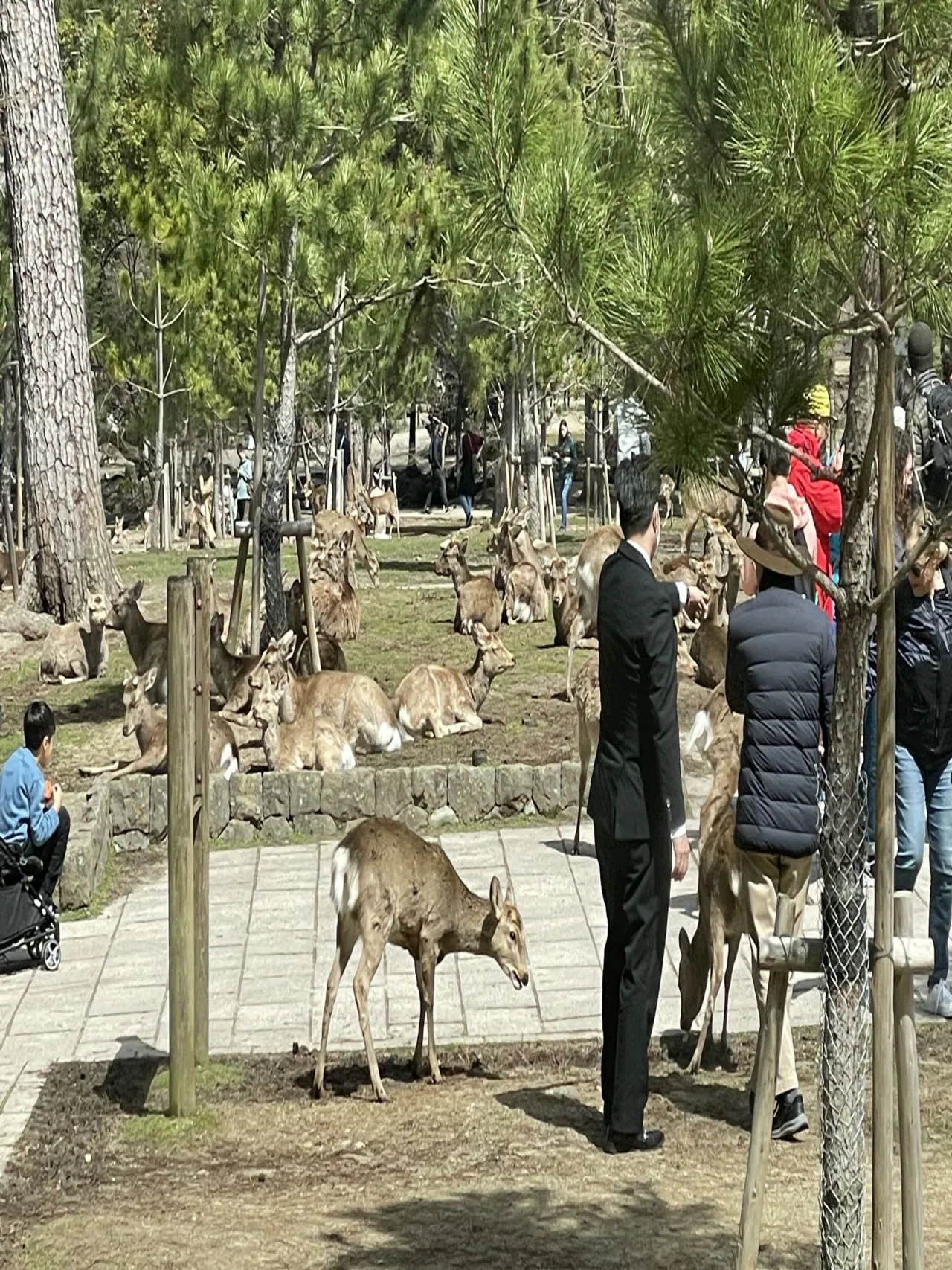
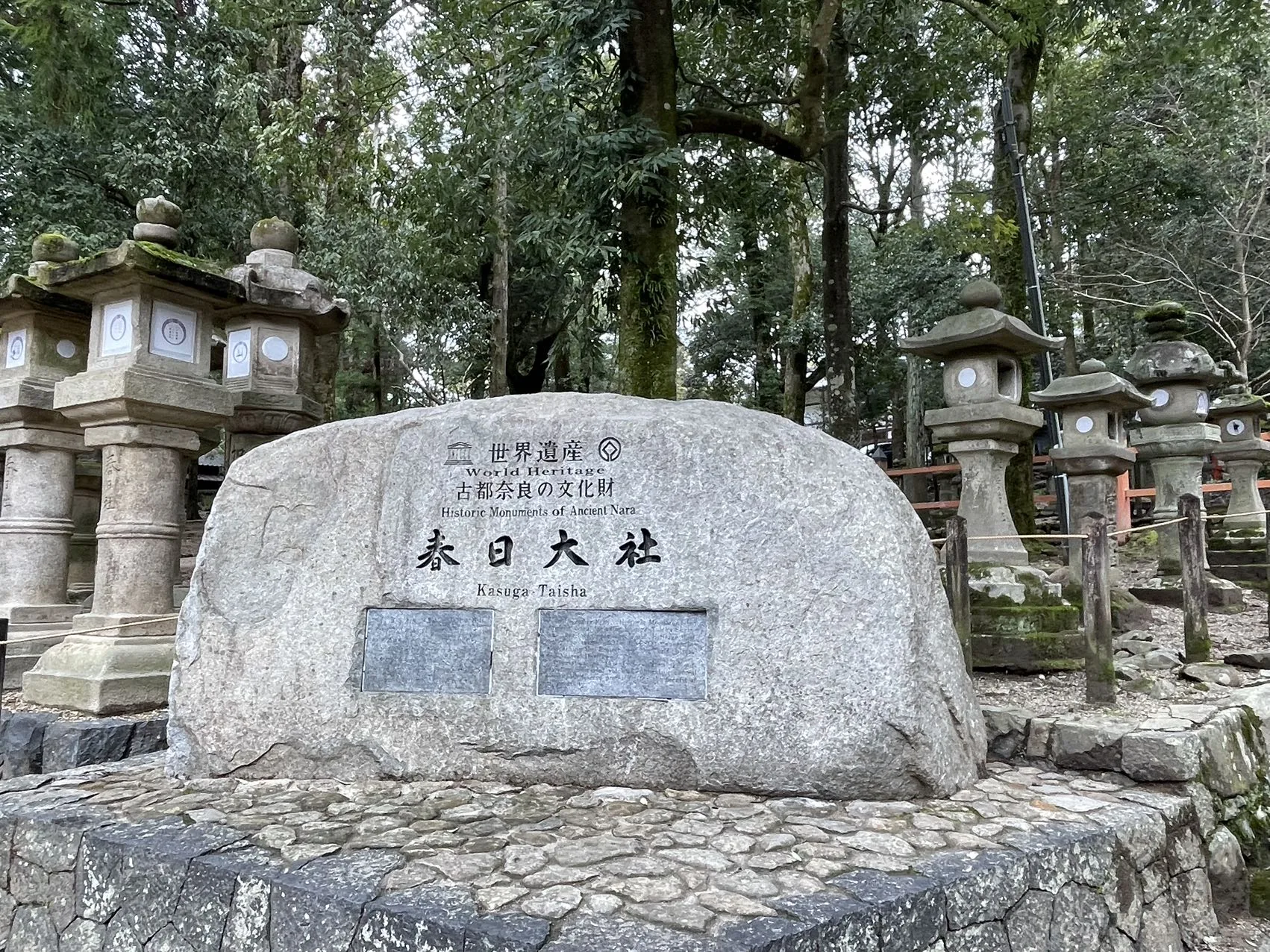
Osaka Castle, one of Japan's three great castles, is one of Japan's most important cultural heritages. It is a large green park within Osaka with lush greenery and flowers in all seasons, making it beautiful year-round. The weather was perfect when we visited, and the castle tower, though weathered by time, still shines brilliantly as Osaka's most important cultural heritage, attracting visitors constantly! Shinsaibashi is one of Osaka's busiest shopping districts, with countless shops and complete inventory, overwhelming to the eye. Dotonbori is a canal lined with various commercial and entertainment establishments. Every day it's crowded with people coming and going. We found a fun sumo statue and everyone posed for photos with it. Nara was once Japan's capital. Nara Park concentrates many historical and cultural heritages. In 1897, the park was planted with trees of various species, creating rich and diverse natural landscapes with different beauty in every season. Spring's cherry blossoms and autumn's crimson leaves are the best times to visit. Nara Park not only features famous cultural heritages and natural scenery but also many deer. According to legend, the deity worshipped at Kasuga Taisha rode a white deer to this place, so the deer of Nara are known as heavenly messengers. Everyone is particularly protective of them. Kasuga Taisha is distinguished by its vermillion pillars and white walls, carrying the weight of thousands of years. There are 3,000 branch shrines of Kasuga throughout the nation, hosting over 1,000 festivals annually. In December 1998, UNESCO designated Kasuga Taisha and Kasugayama Primeval Forest as World Heritage Sites. Strolling through Nara Park, green trees and fresh flowers harmonize with historic buildings. The young deer frolicking with children in the gardens create a touching scene. Our guests enthusiastically joined in feeding the deer, which gently licked their hands and allowed themselves to be petted. What wonderful photo opportunities!
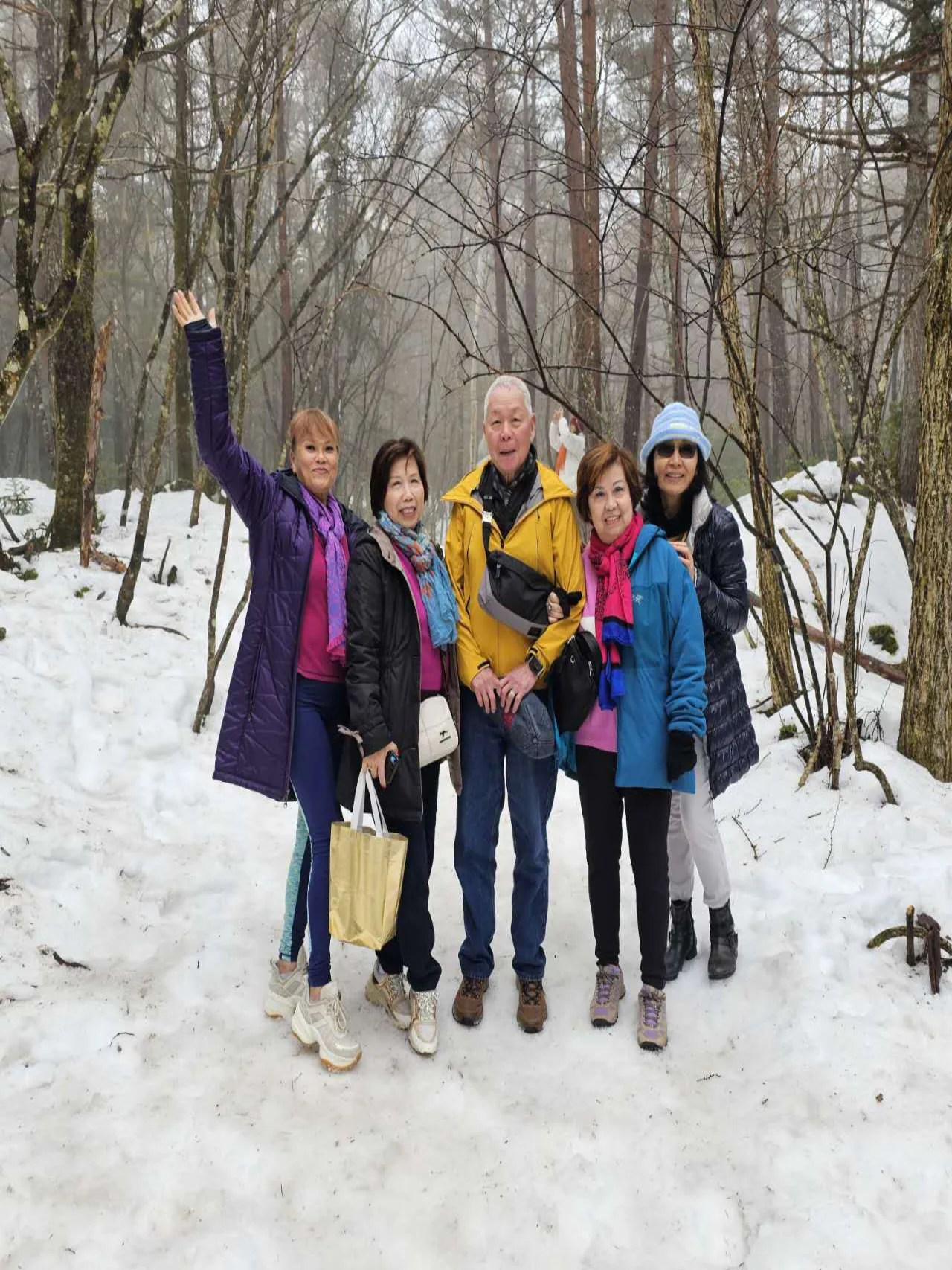
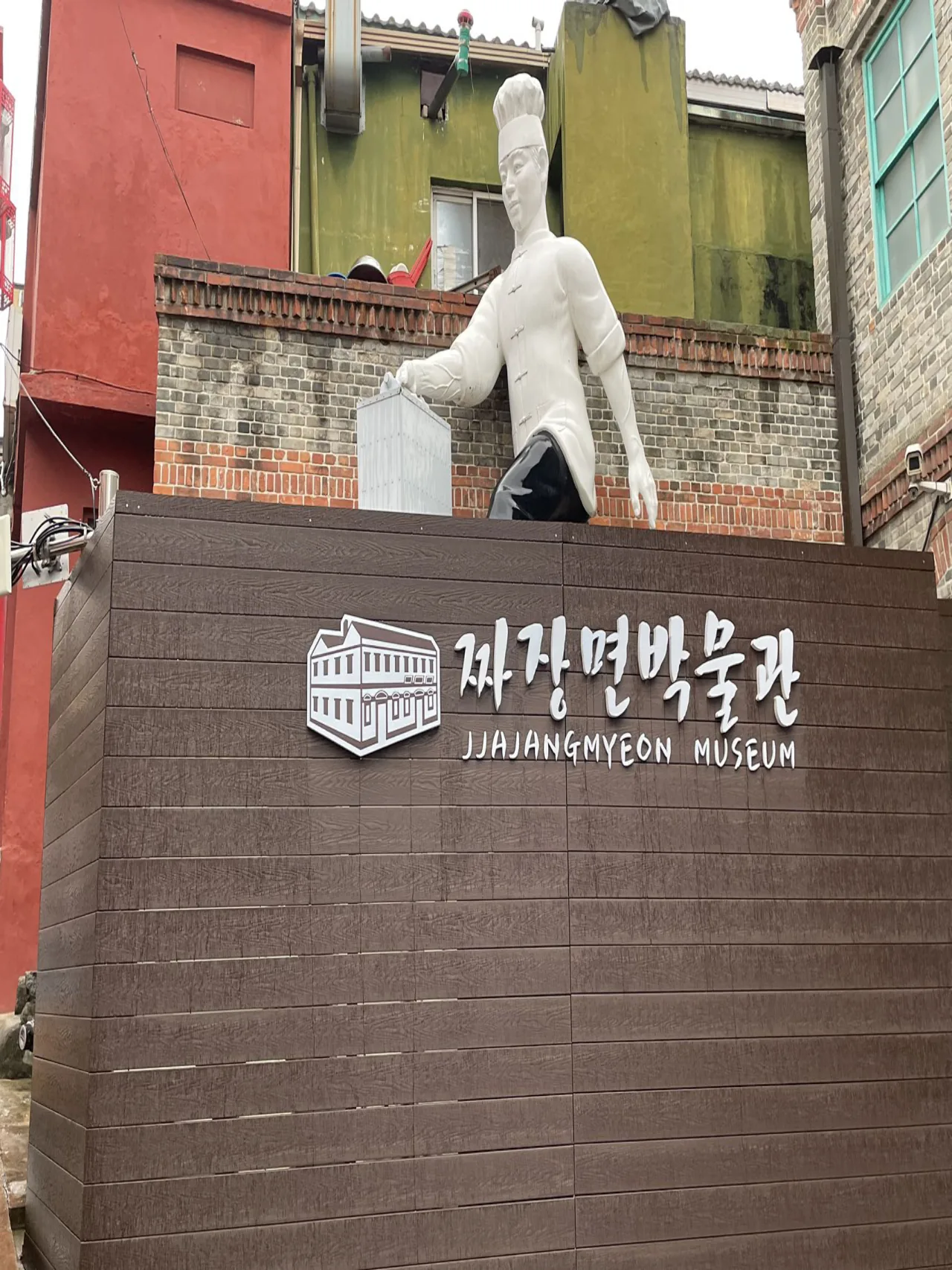
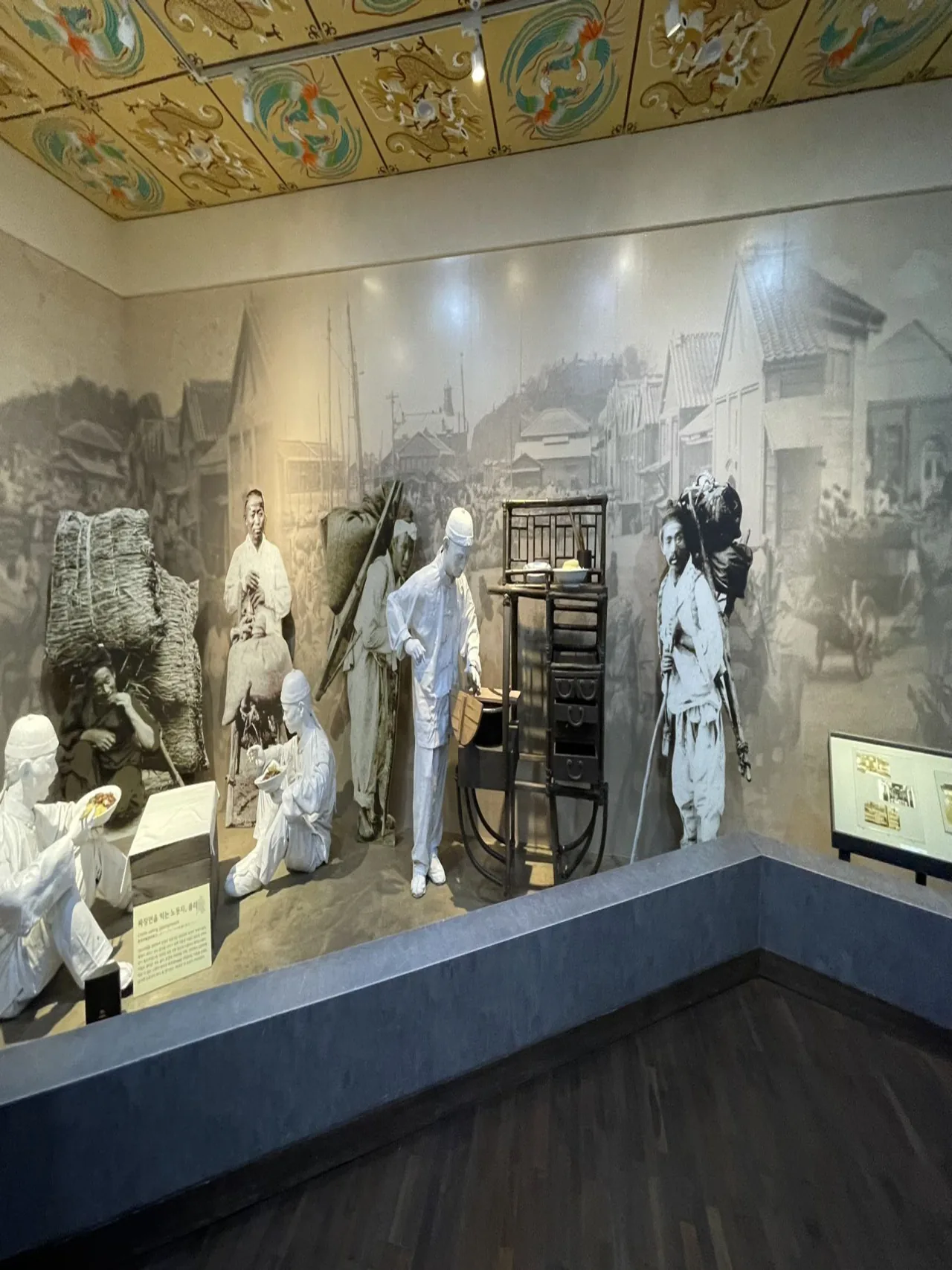
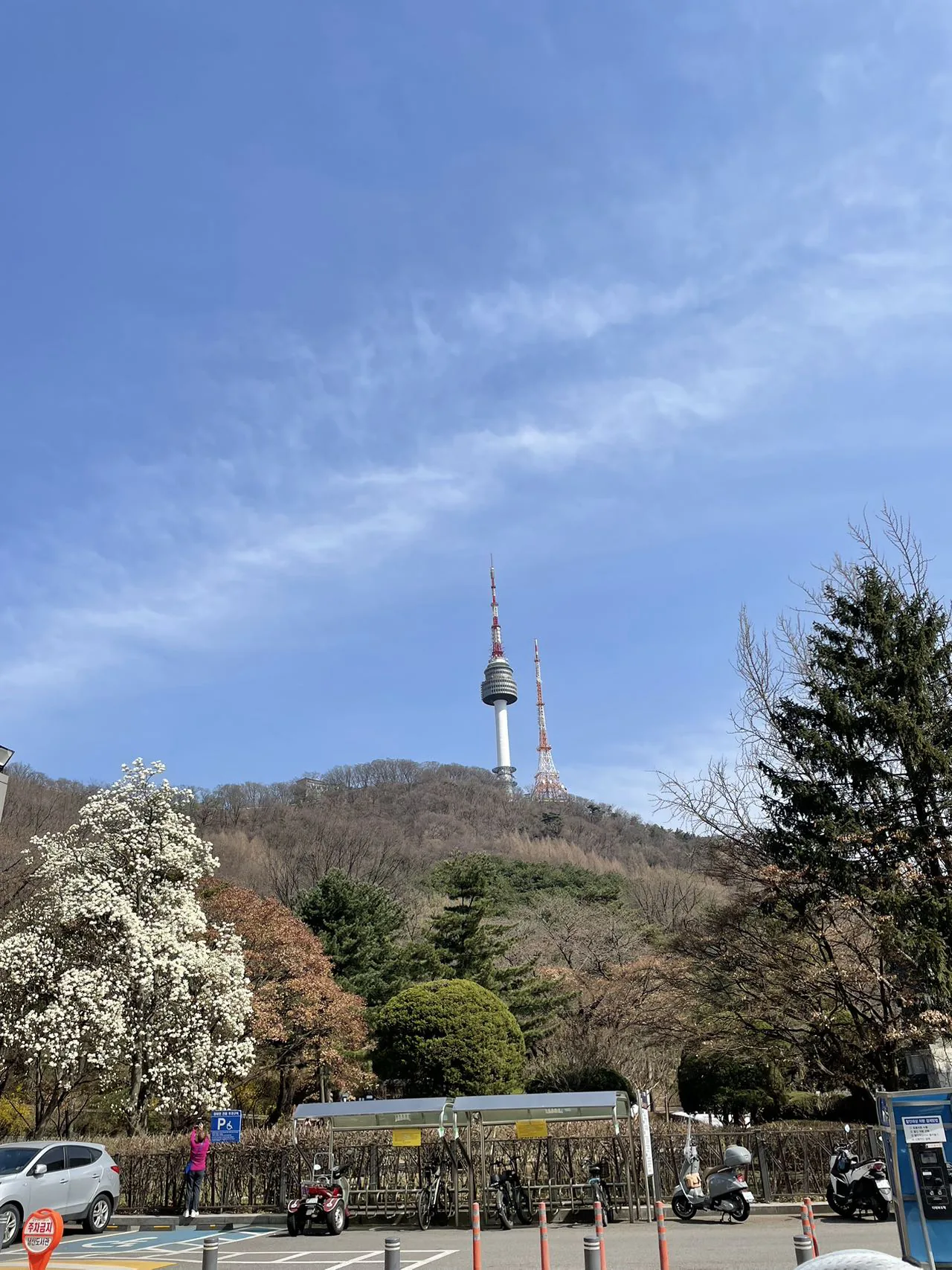
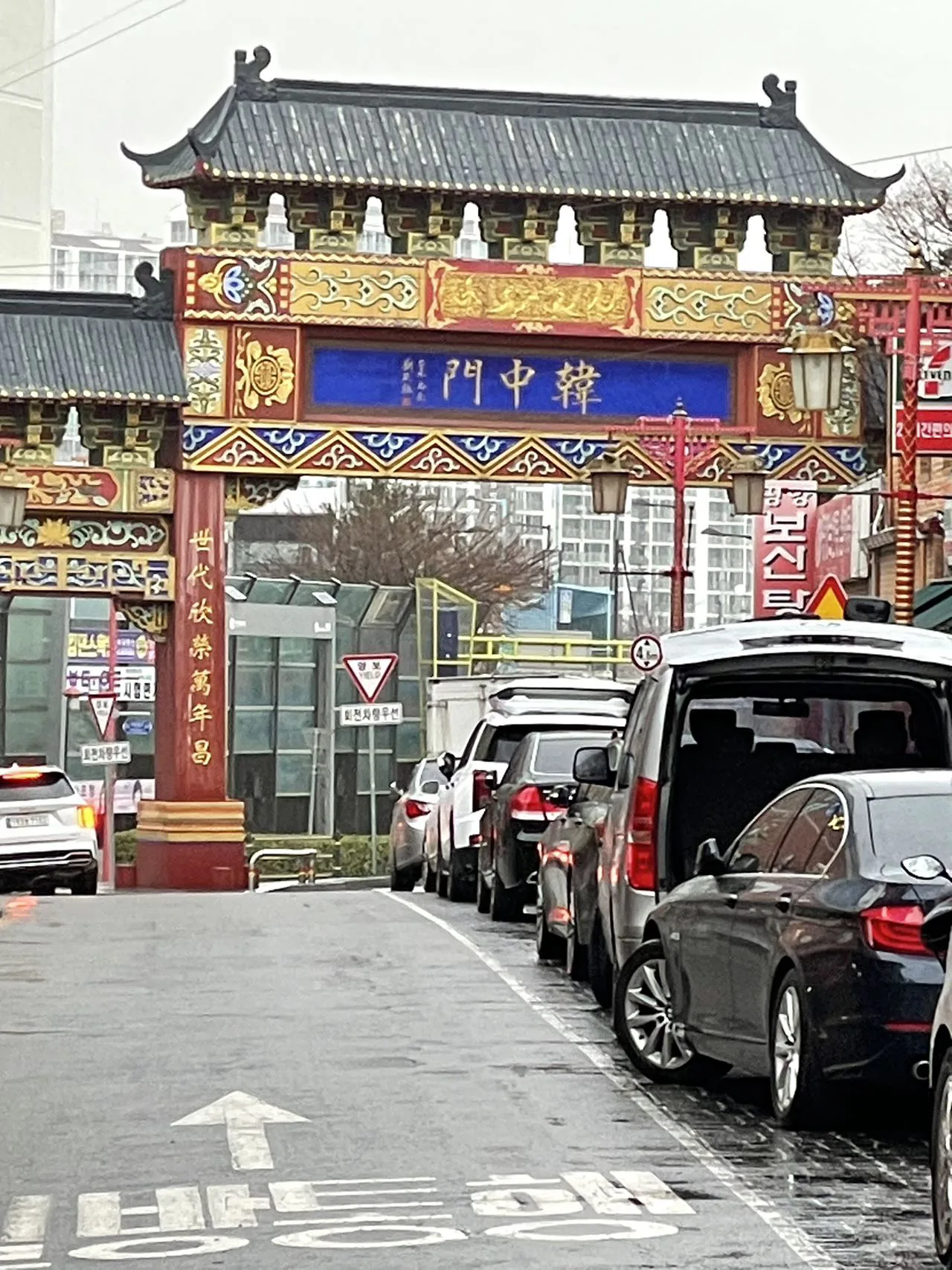
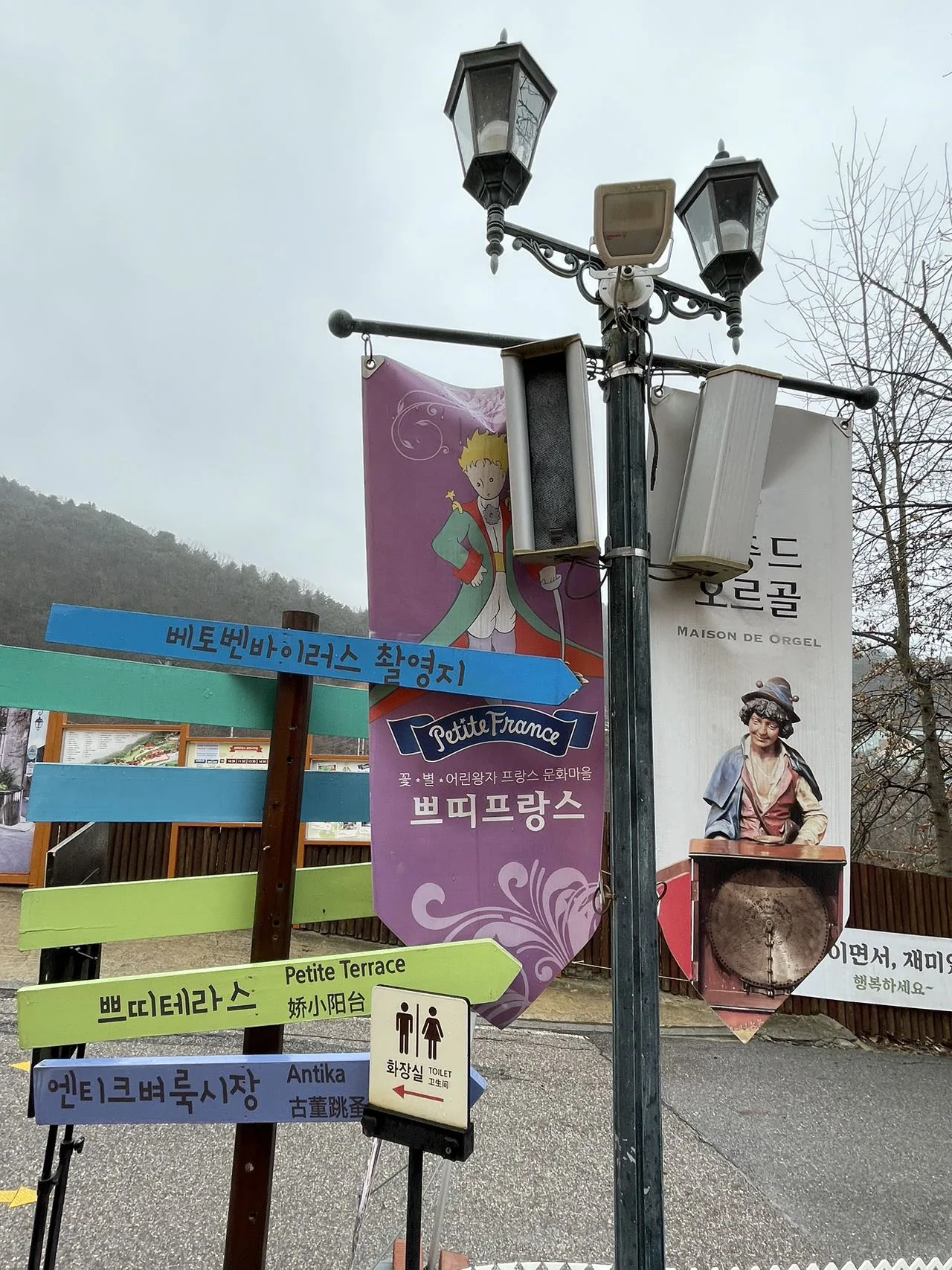
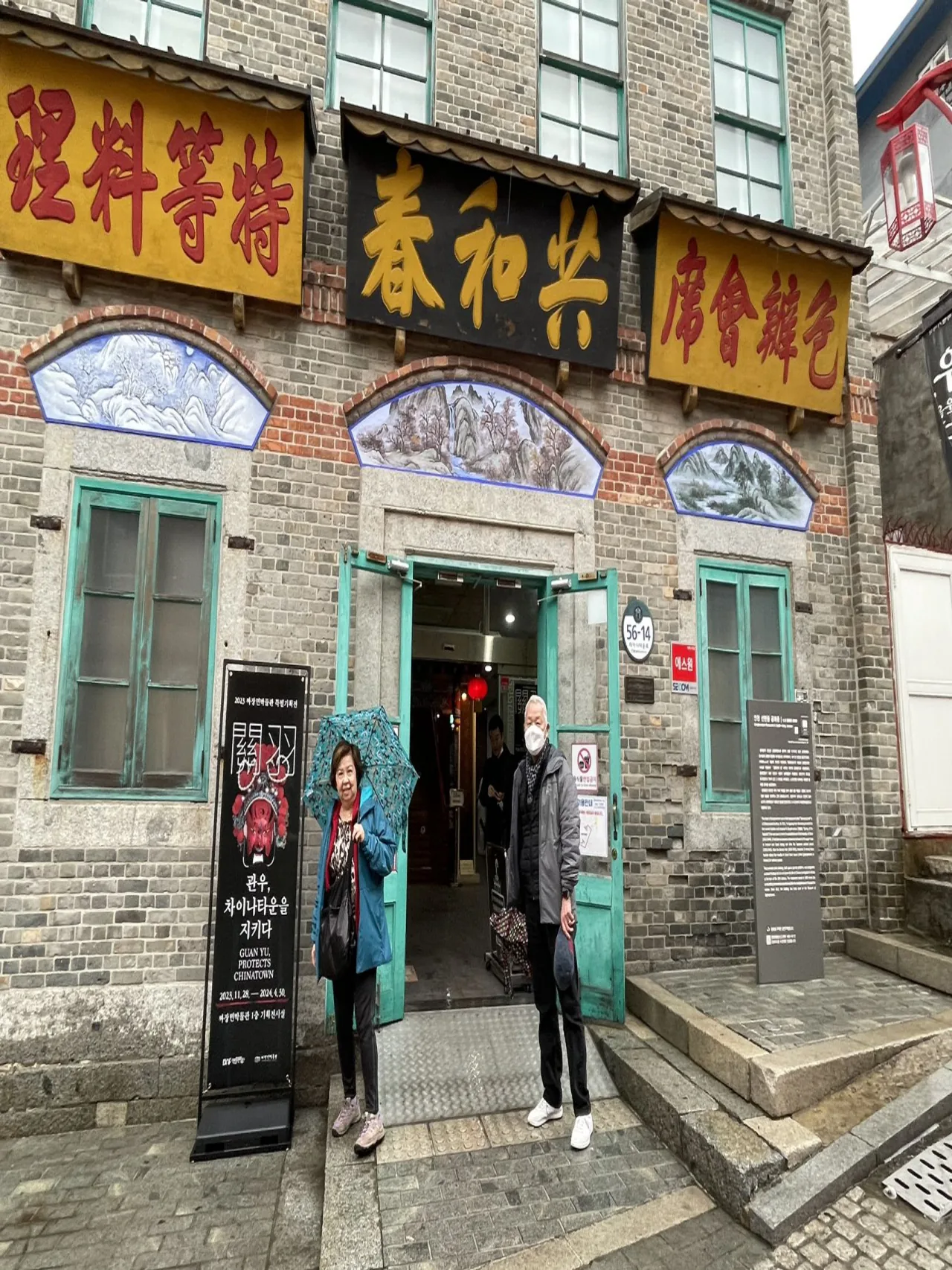
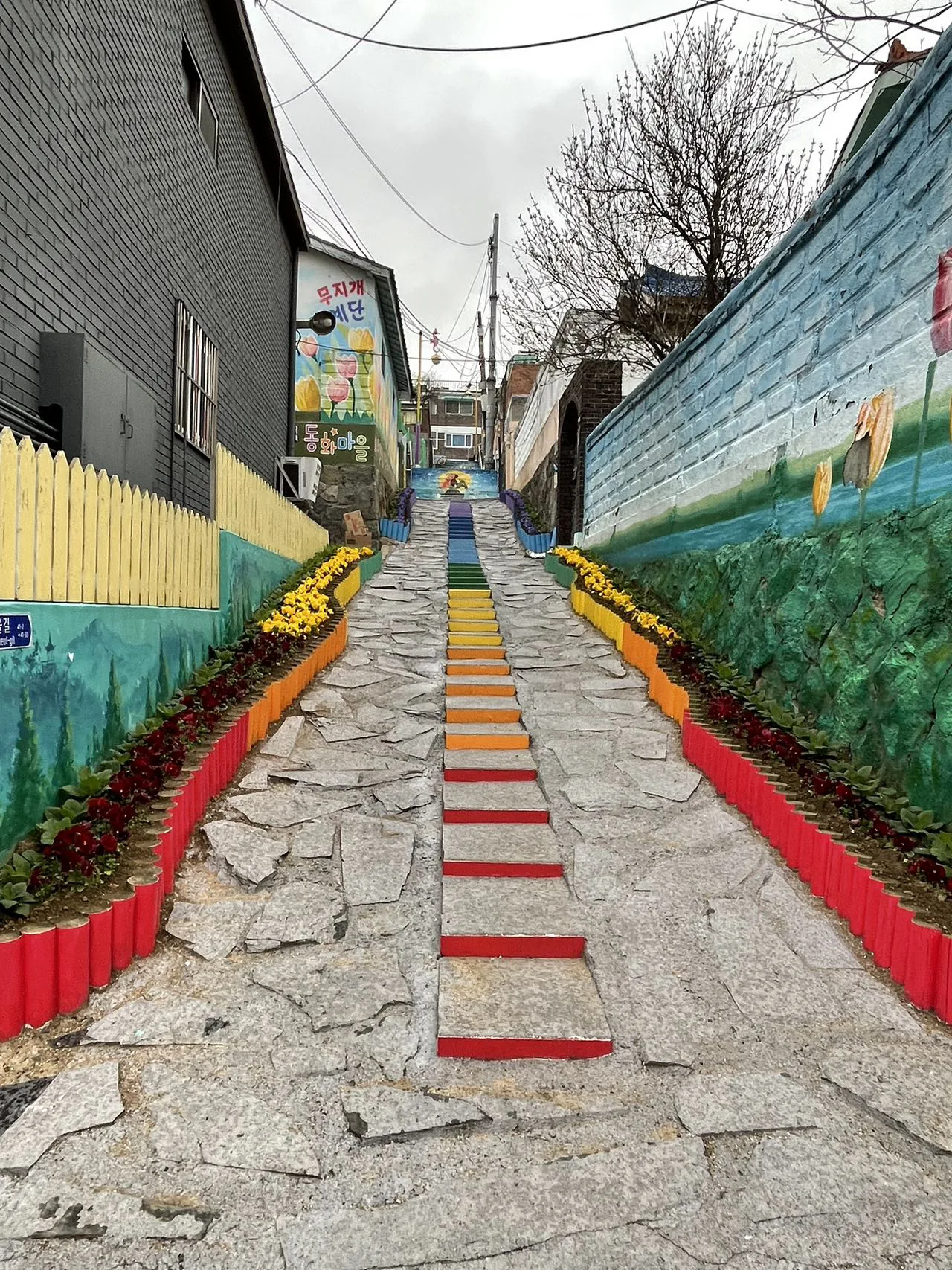
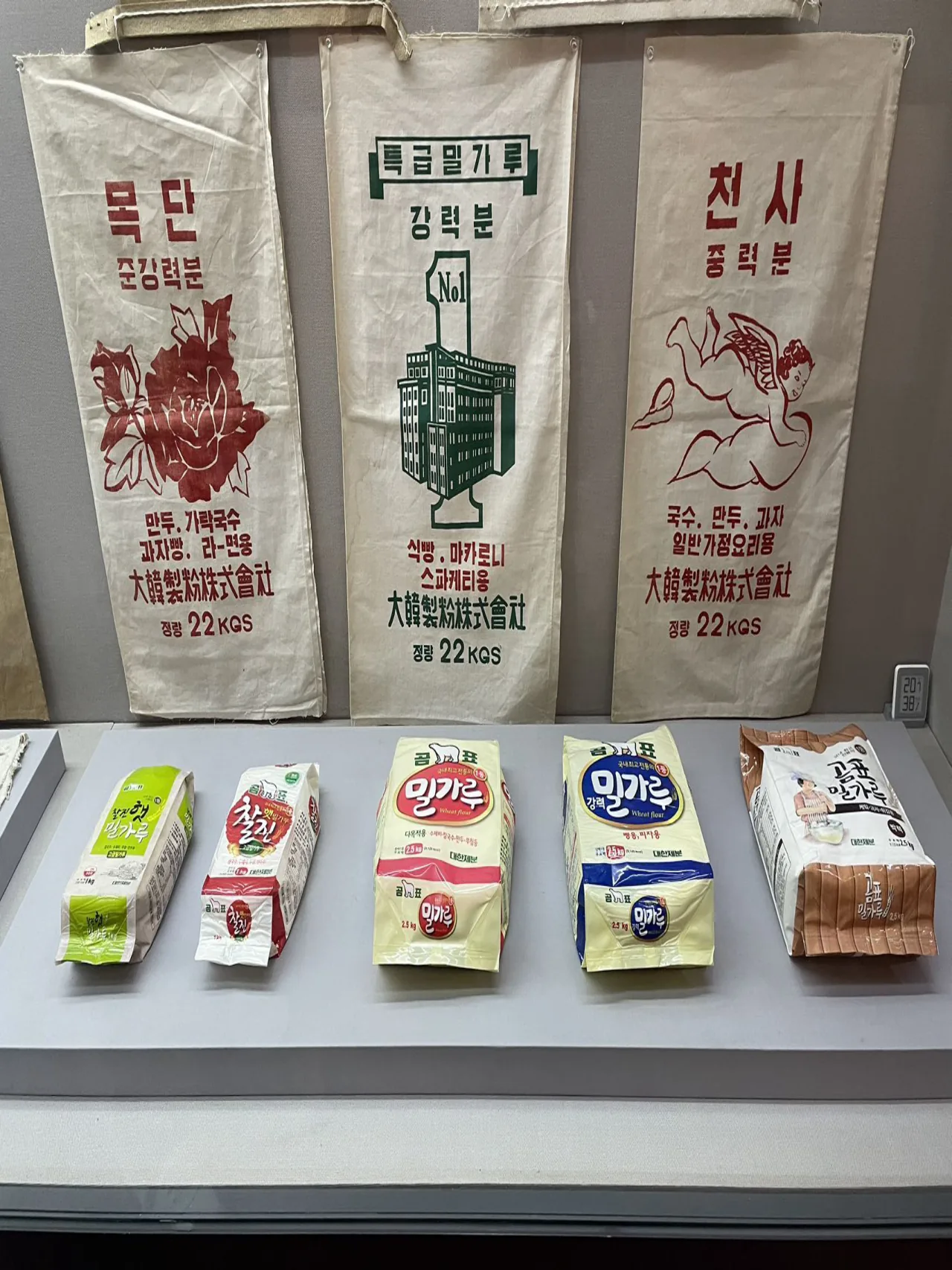
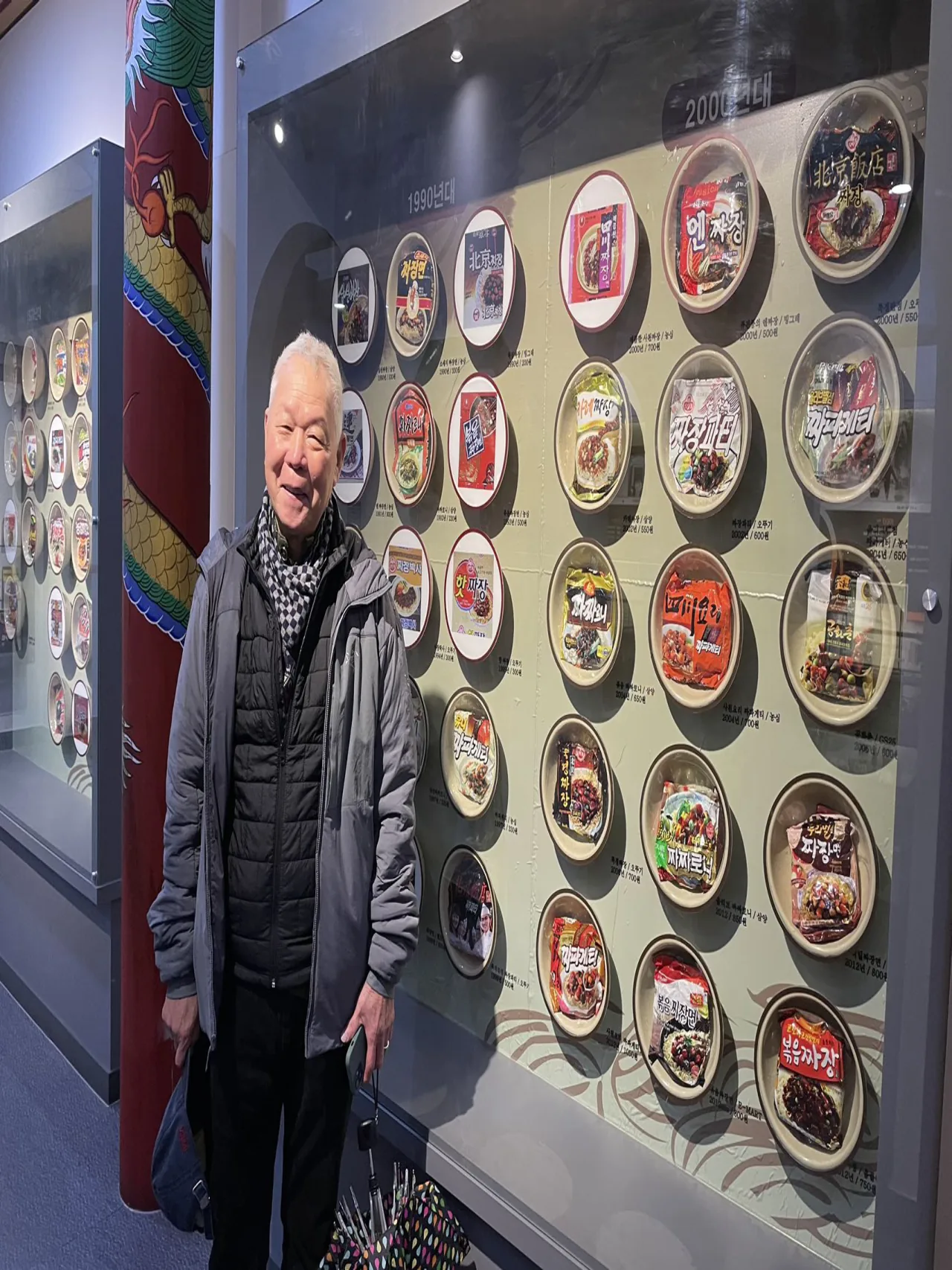
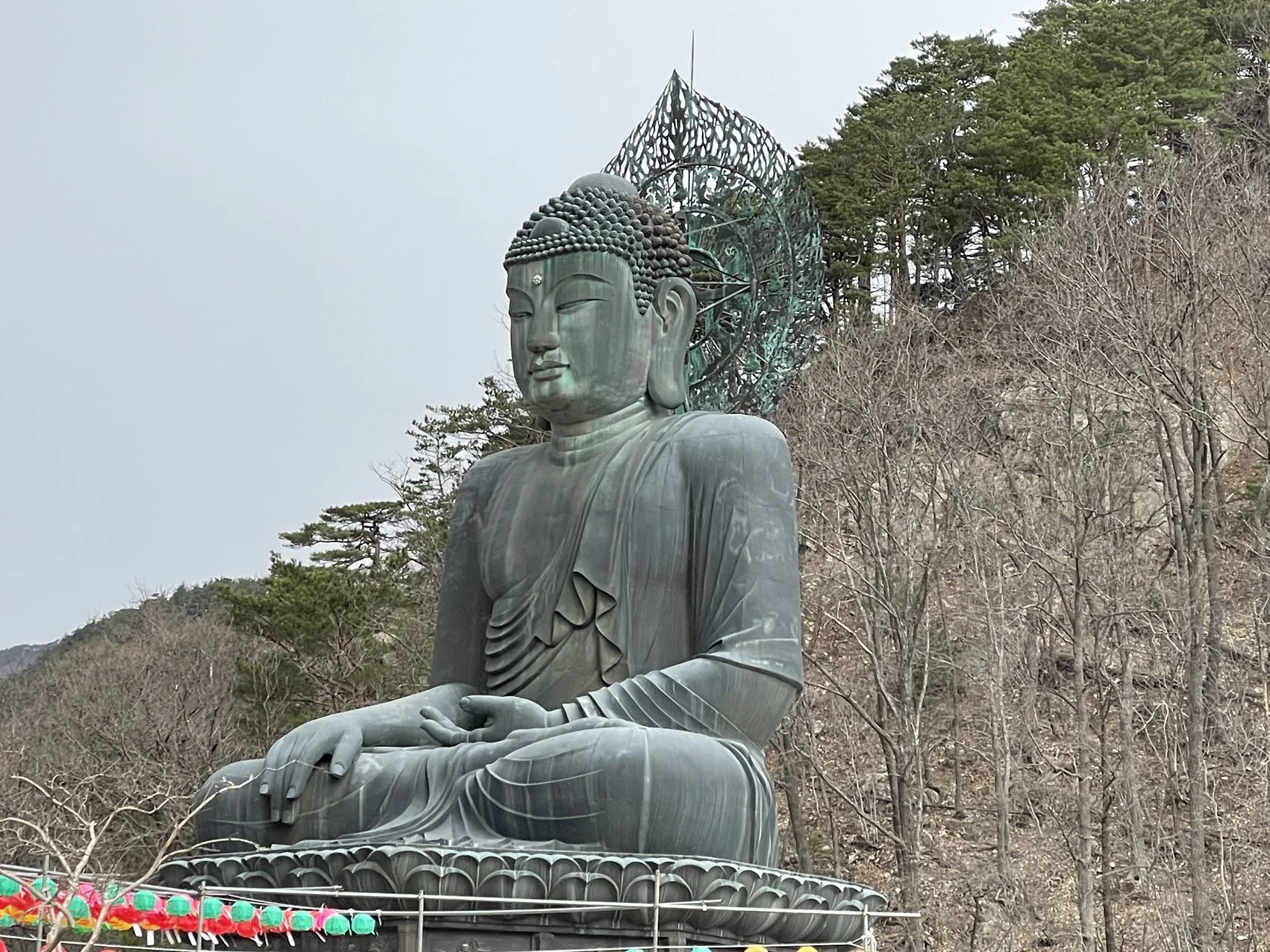
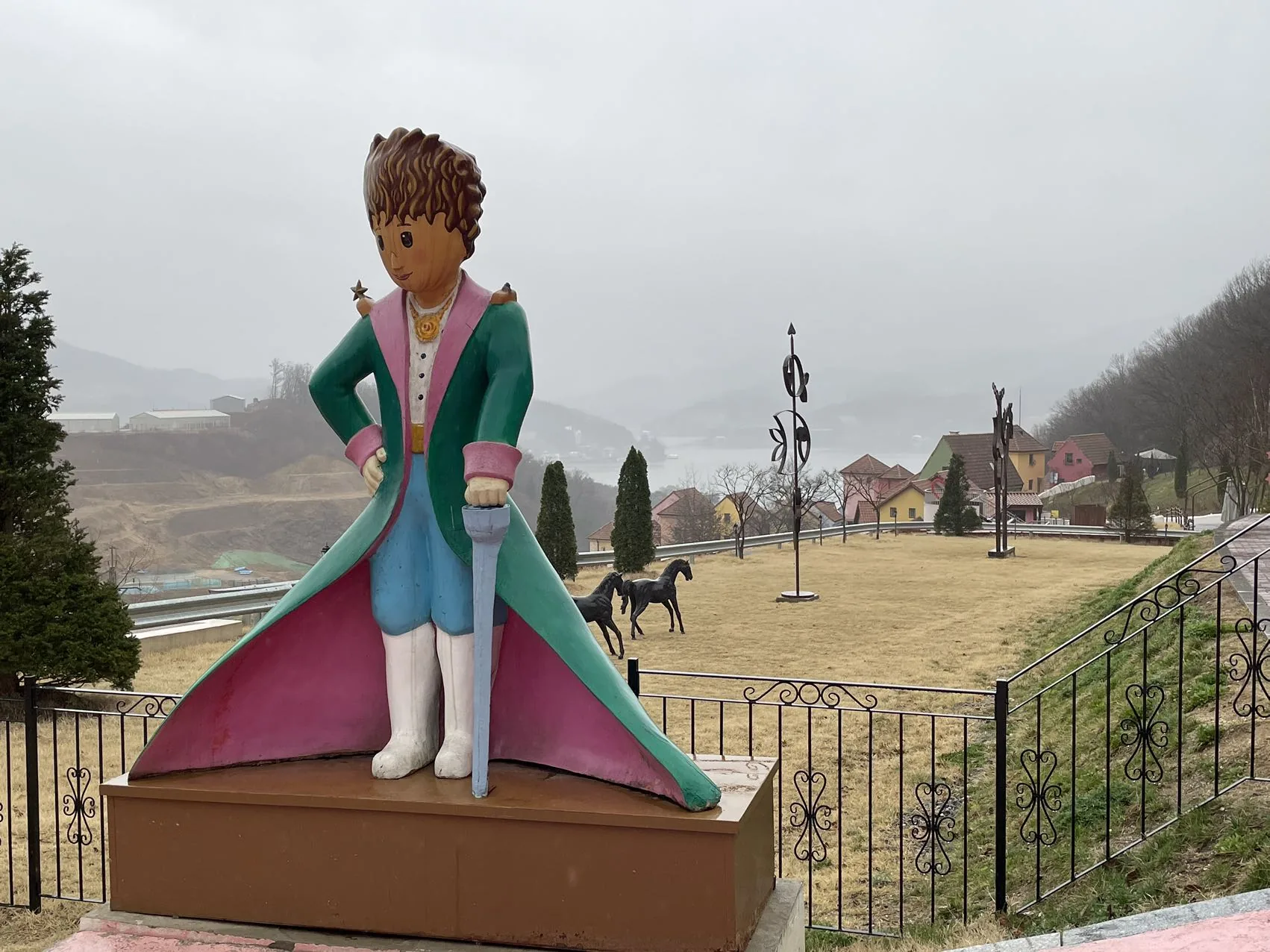
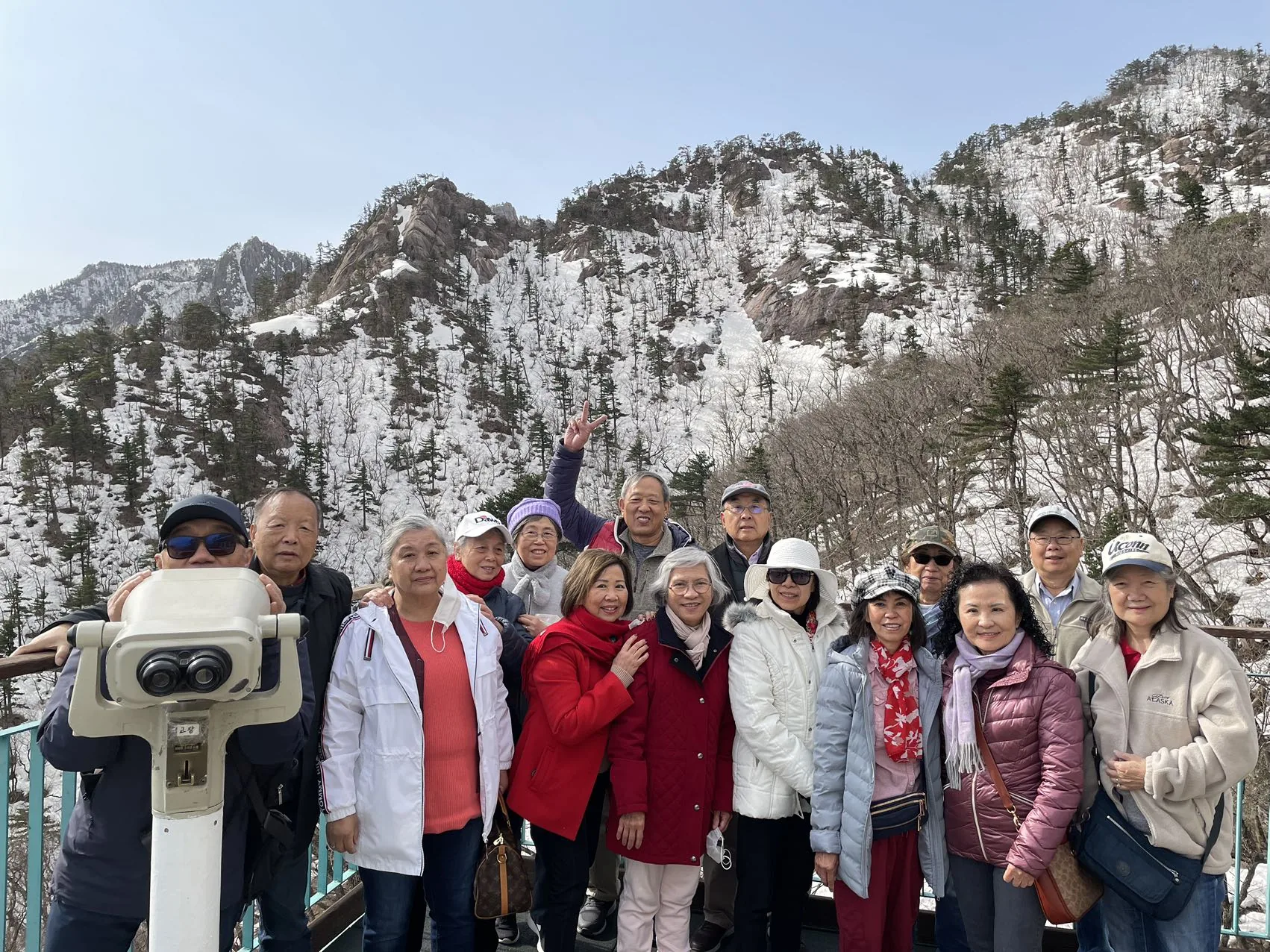
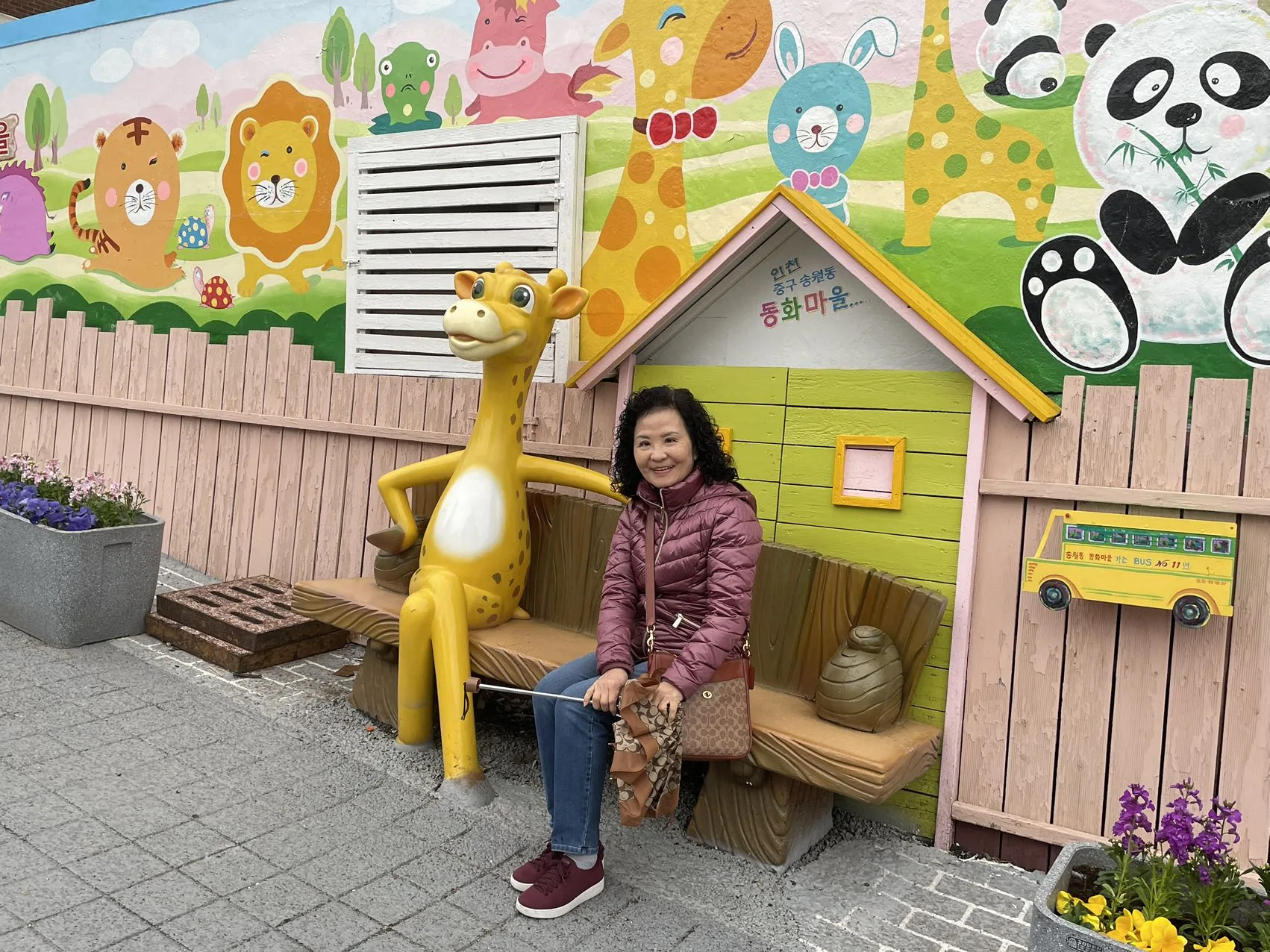
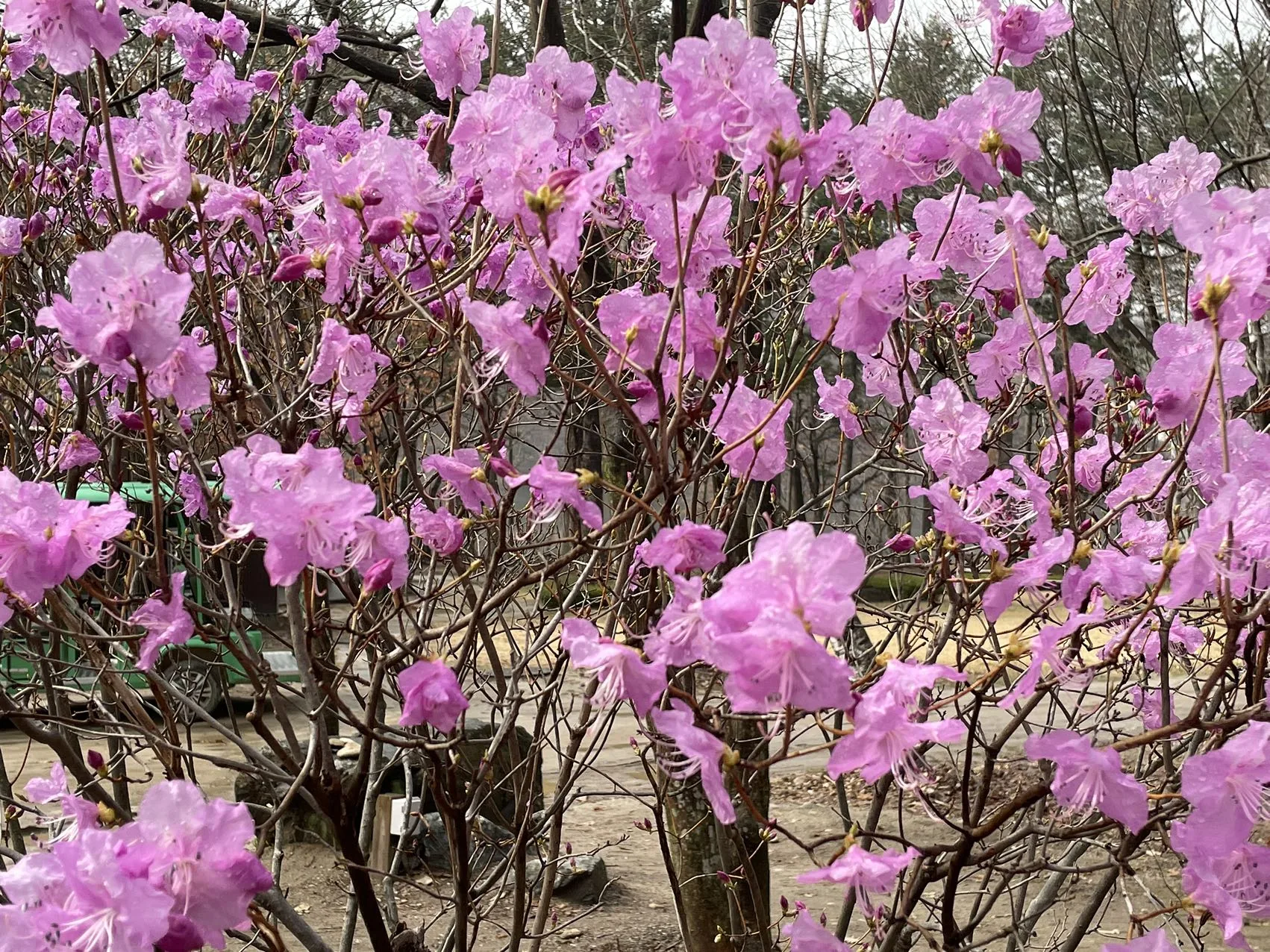
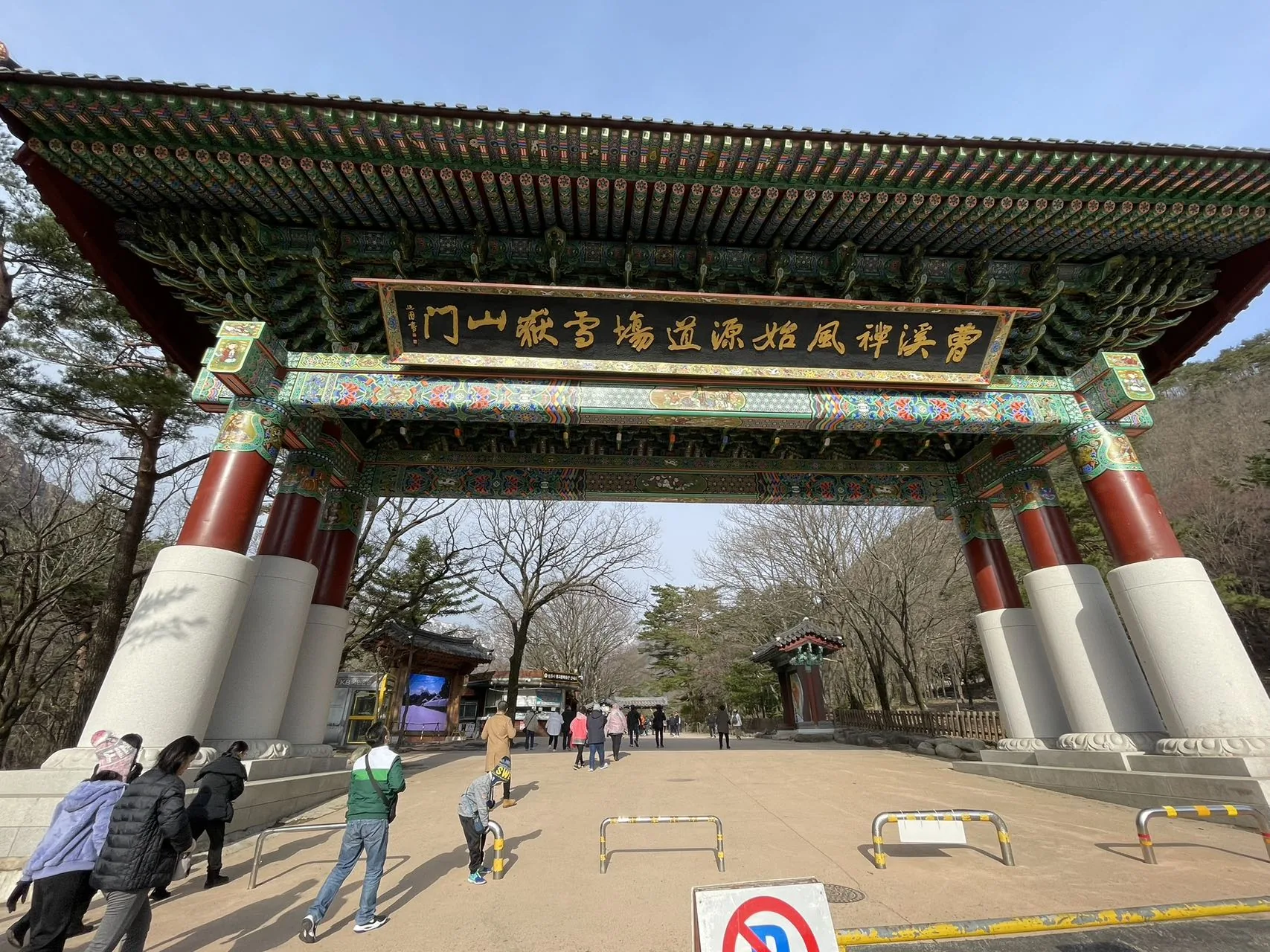
After finishing our Japan itinerary, we traveled to Korea, with our first stop being the Jjajangmyeon Museum. The museum's predecessor was a Chinese restaurant called "Gonghwachun," renamed to commemorate the success of the Xinhai Revolution. Later, when traditional sauce was mixed with caramel sauce, creating a sweeter taste that suited Korean palates, it became hugely popular, and is now recognized as the origin of Korean jjajangmyeon. "Gonghwachun" thus became Korea's first specialized jjajangmyeon restaurant. Looking at the walls of the memorial displaying various packagings and flavors of jjajangmyeon, we could see its development history, and we eagerly anticipated tasting this delicious noodle dish! Our next destination was the picturesque Nami Island, which got its name from General Nami, who was enfeoffed and died heroically at age 28, with his bones buried on the island. However, it truly became famous because of the Korean drama "Winter Sonata." Because of this drama, the island attracts nearly a million visitors annually. Many iconic scenes from the drama, along with statues of the male and female leads in their famous loving gaze, remain as photo spots for visitors. A ferry ride is necessary to reach the island, and gazing at the faint mist on the river and the cool air felt refreshing! Spring came late to Korea this year, with many trees still not sprouted, but early-blooming azaleas had already covered the branches. The Little France Village is a themed park designed with "The Little Prince" story as its conceptual foundation, blended with French elements. It contains many exquisite European decorative pieces, century-old dolls, furniture, and more. Miniature Eiffel Towers, colorful European-style buildings, the Little Prince and his fox hidden in every corner, colorful stone paths, vividly colored houses, childish murals, and various statues—all giving the feeling of entering a fairy tale kingdom, making us feel young again. Seoraksan Mountain is named for its snow that never melts year-round and white rocks resembling snow. In December 1973, it was designated as a protected park. It is Korea's second-largest national park and Korea's only botanical conservation area. In August 1982, it was designated by UNESCO as a Biosphere Reserve. The connected mountain ranges covered in snow, breathing in nature's fresh air, felt exceptionally relaxing. The bronze seated Buddha at Sinheungsa Temple is the world's largest bronze Buddha statue. Having witnessed many wars over its 11 years of construction, it was completed in 1997 and called the Unification Buddha. Thus, Sinheungsa Temple enjoys great popularity and is one of the must-visit attractions when visiting Seoraksan.
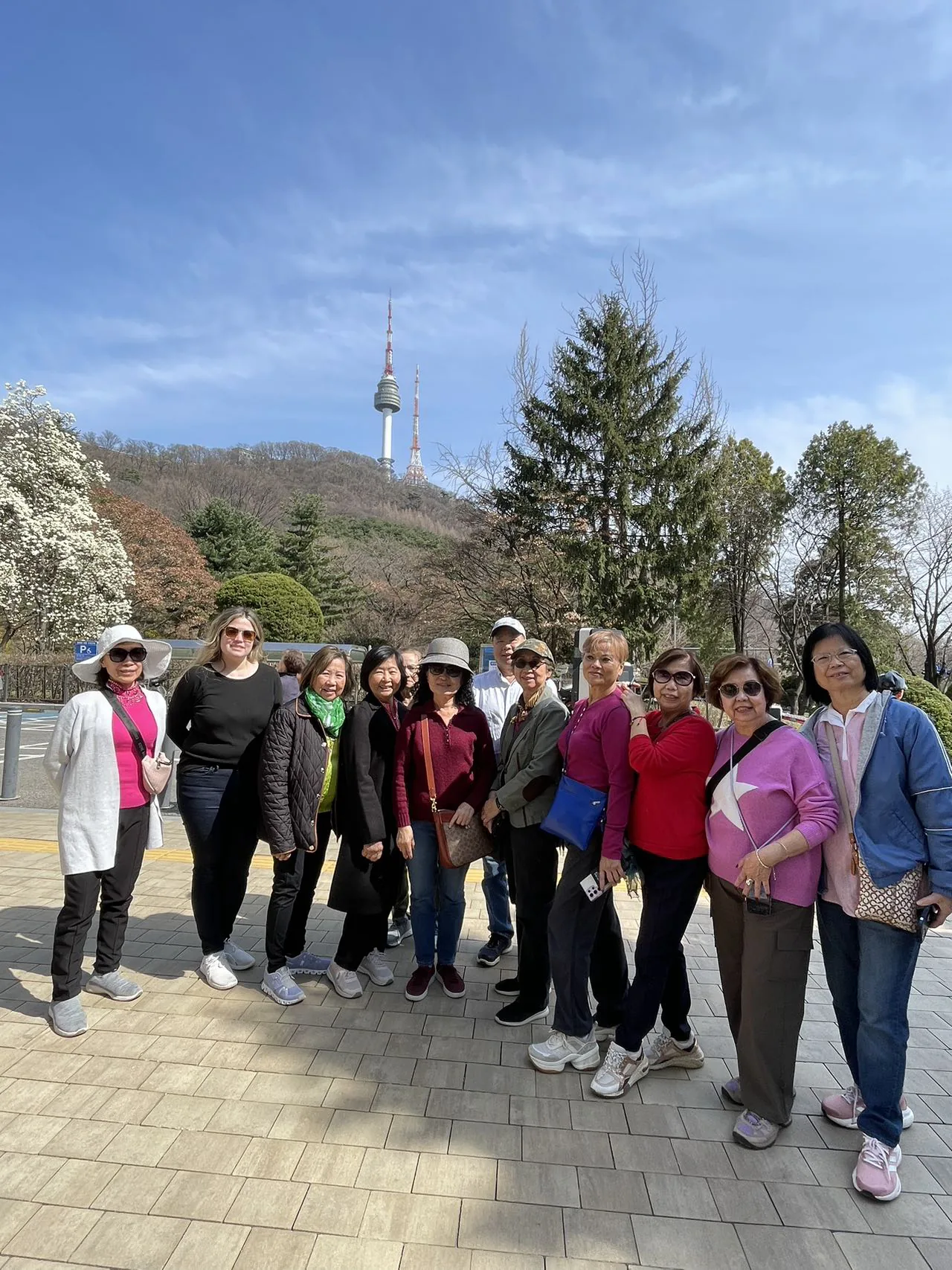
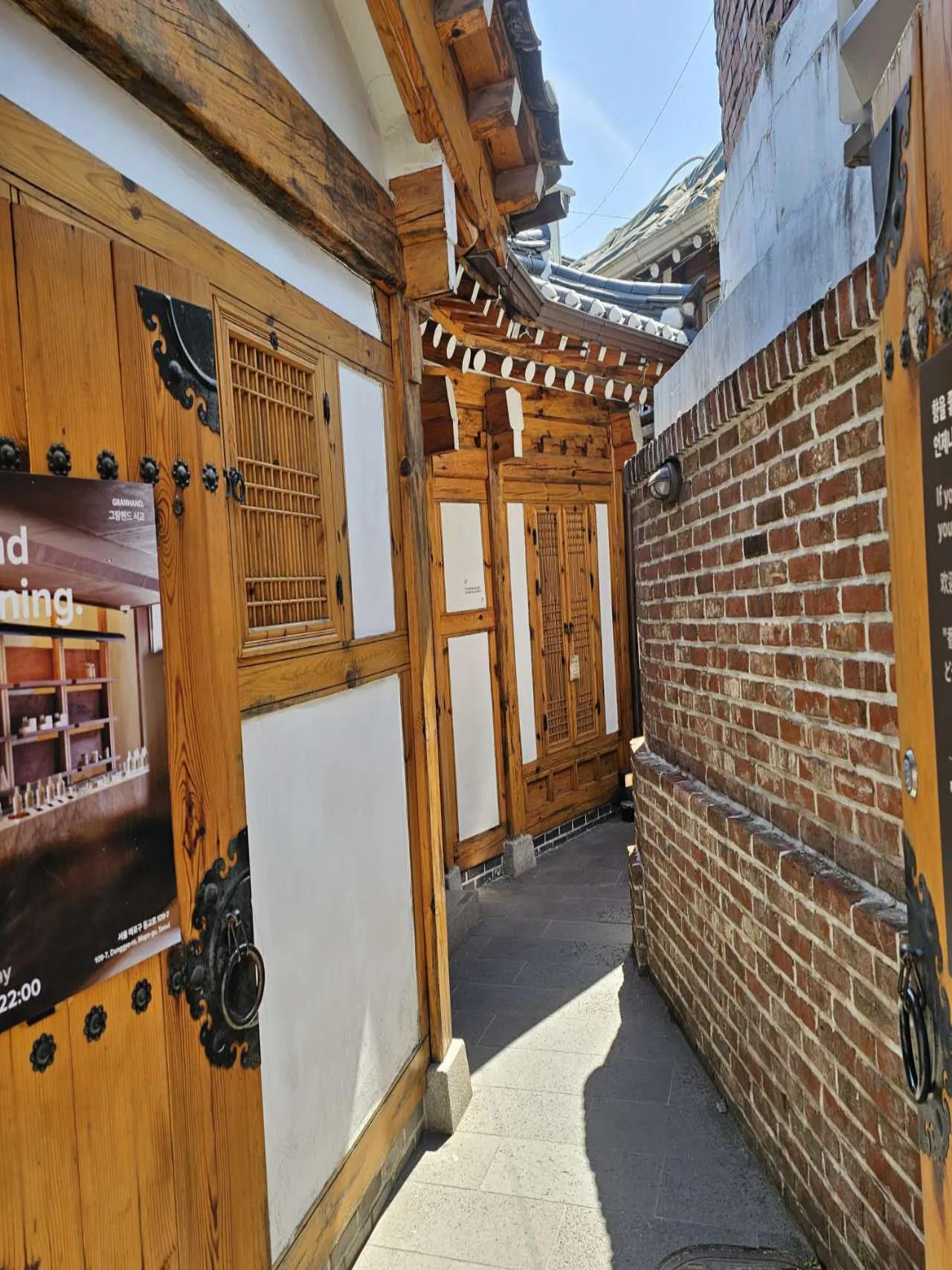
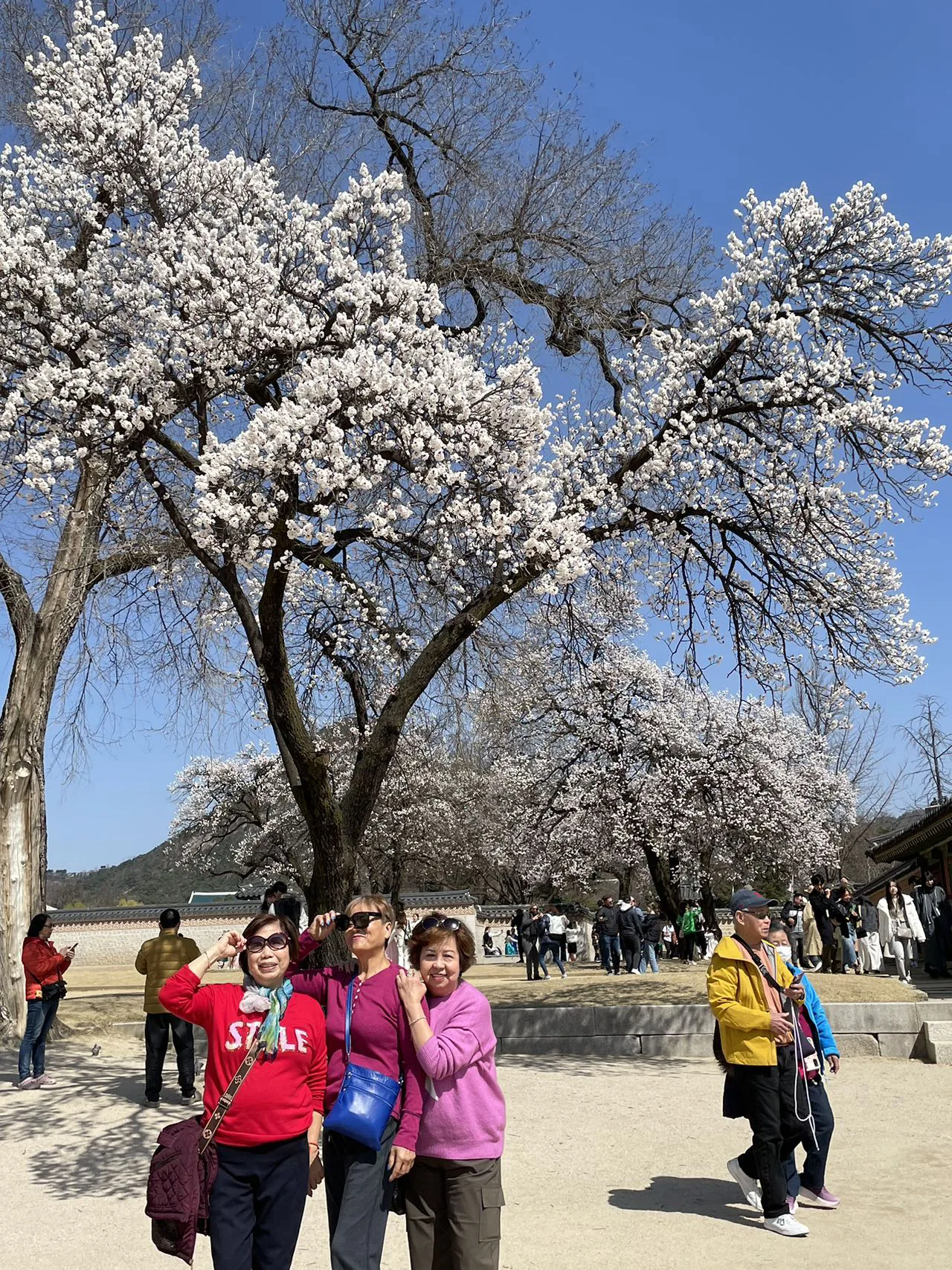
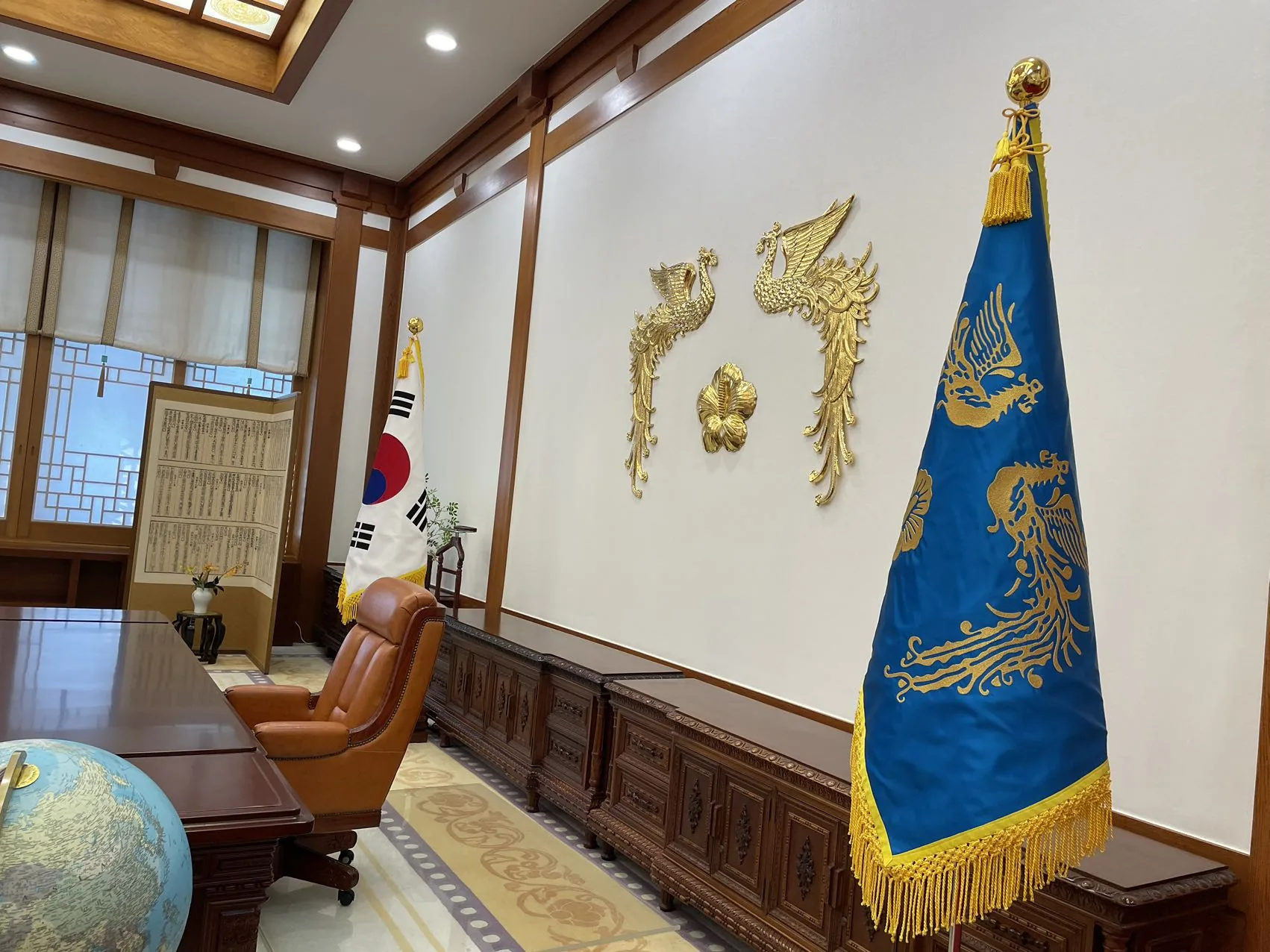
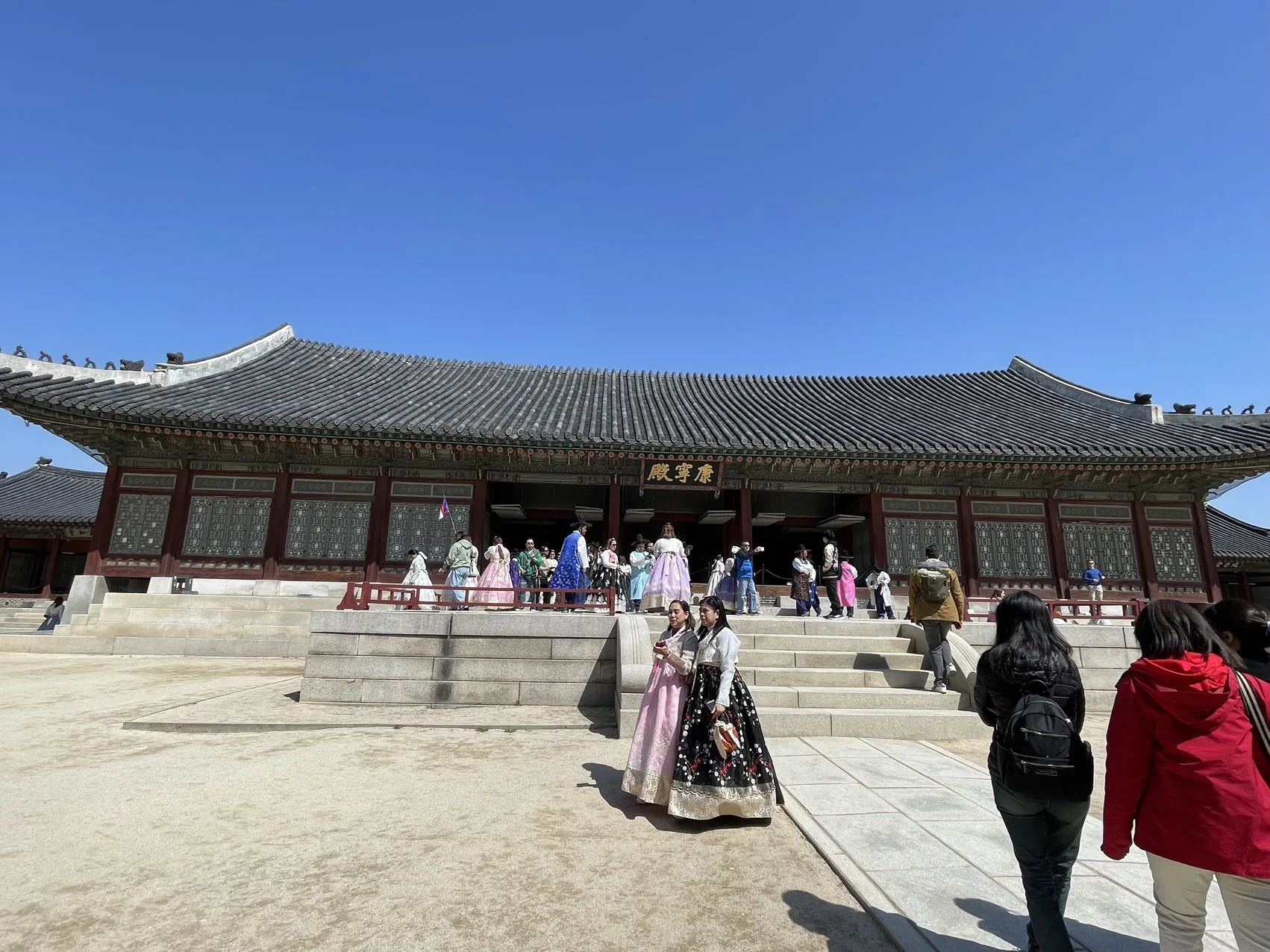
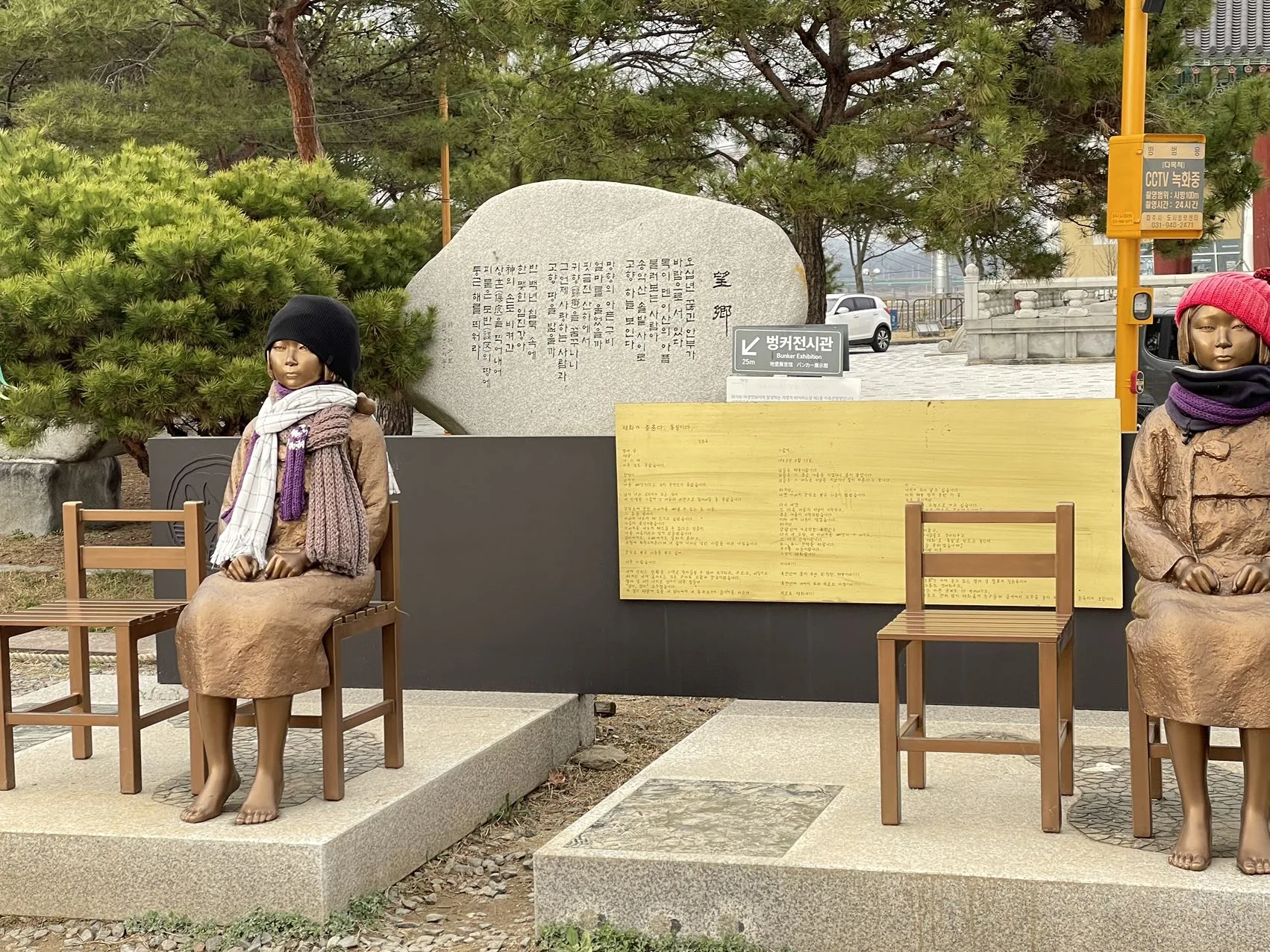
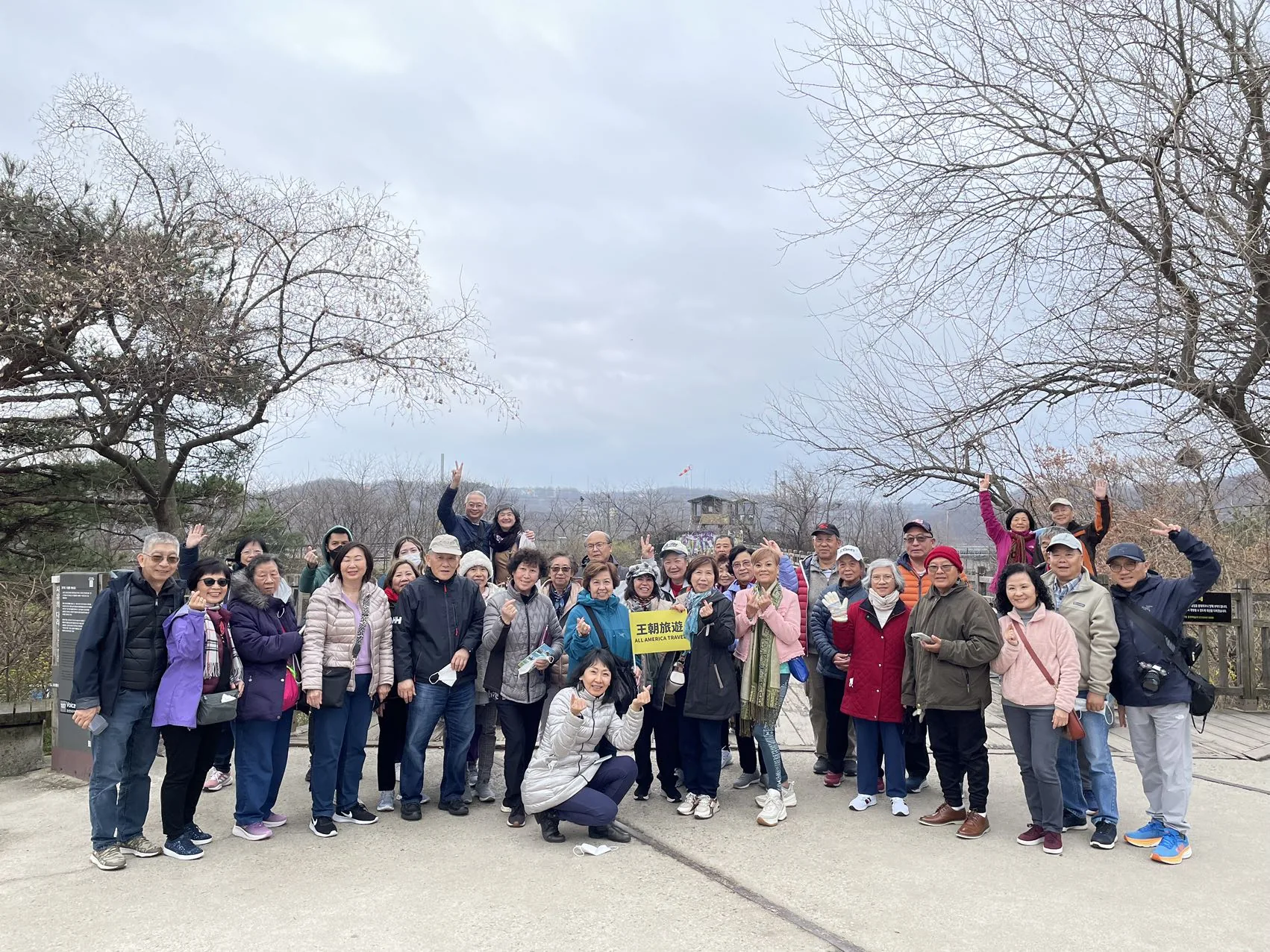
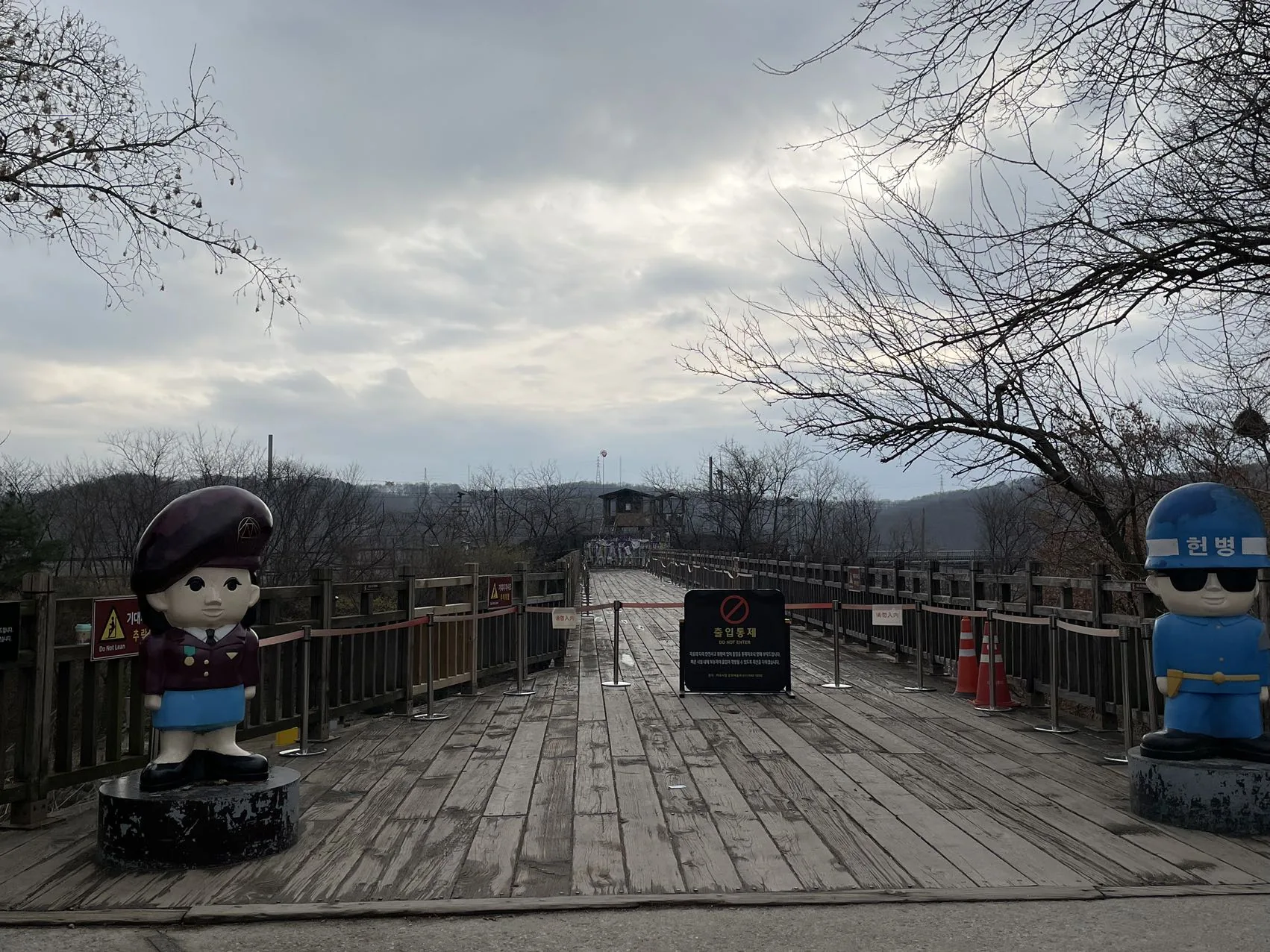
Korea's DMZ bears witness to their nation's unique history. The endless barbed wire fences on both sides of the road stretched as far as the eye could see. Gyeongbokgung Palace was where the ancient Korean emperors handled state affairs and lived, and is one of Korea's most representative royal palaces. During Joseon's 500-year history, Gyeongbokgung served as the main palace for 200 years. Though it suffered major destruction, after years of restoration, it has recovered most of its former glory. Many visitors wear Korean traditional hanbok and can enter for free, so you see many guests moving about Gyeongbokgung in traditional clothing, truly immersing you in the experience. Fixed-time changing of the guard ceremonies occur daily, and we were fortunate to witness this important moment in Korean history—truly grand and magnificent. Injeongjeon is Gyeongbokgung's largest building, with a massive "Sun, Moon, and Five Peaks" painting behind the throne in the center, which was featured on Korea's 10,000 won note in 2007. Taking a photo at the original location with this bill is a fun experience. The Blue House symbolized the highest power in Korea from 1948 to 2022 and served as the presidential office. In 2022, the presidential office relocated, and the Blue House subsequently opened to the public, giving us the opportunity to glimpse the daily lives of the presidents.
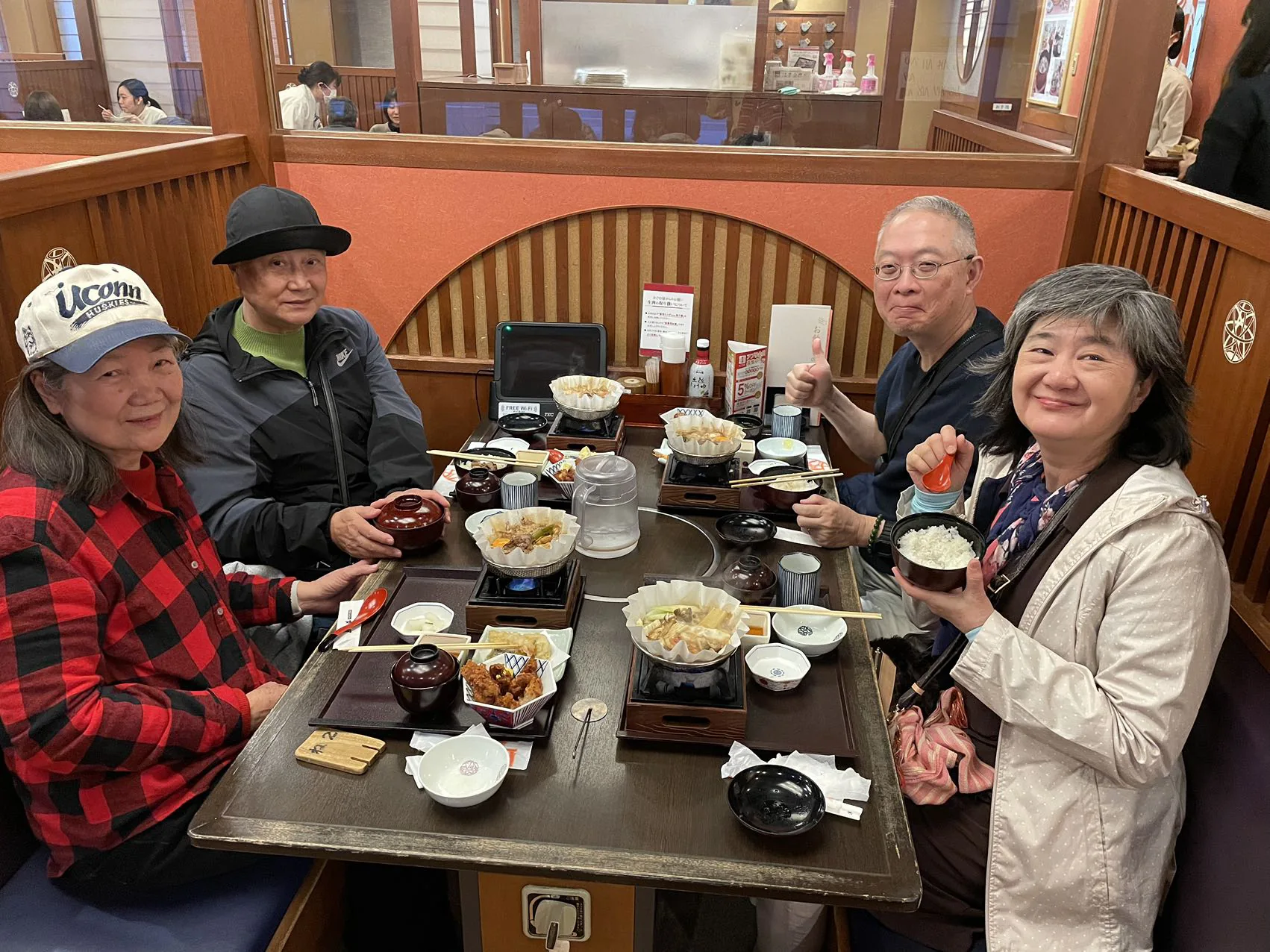
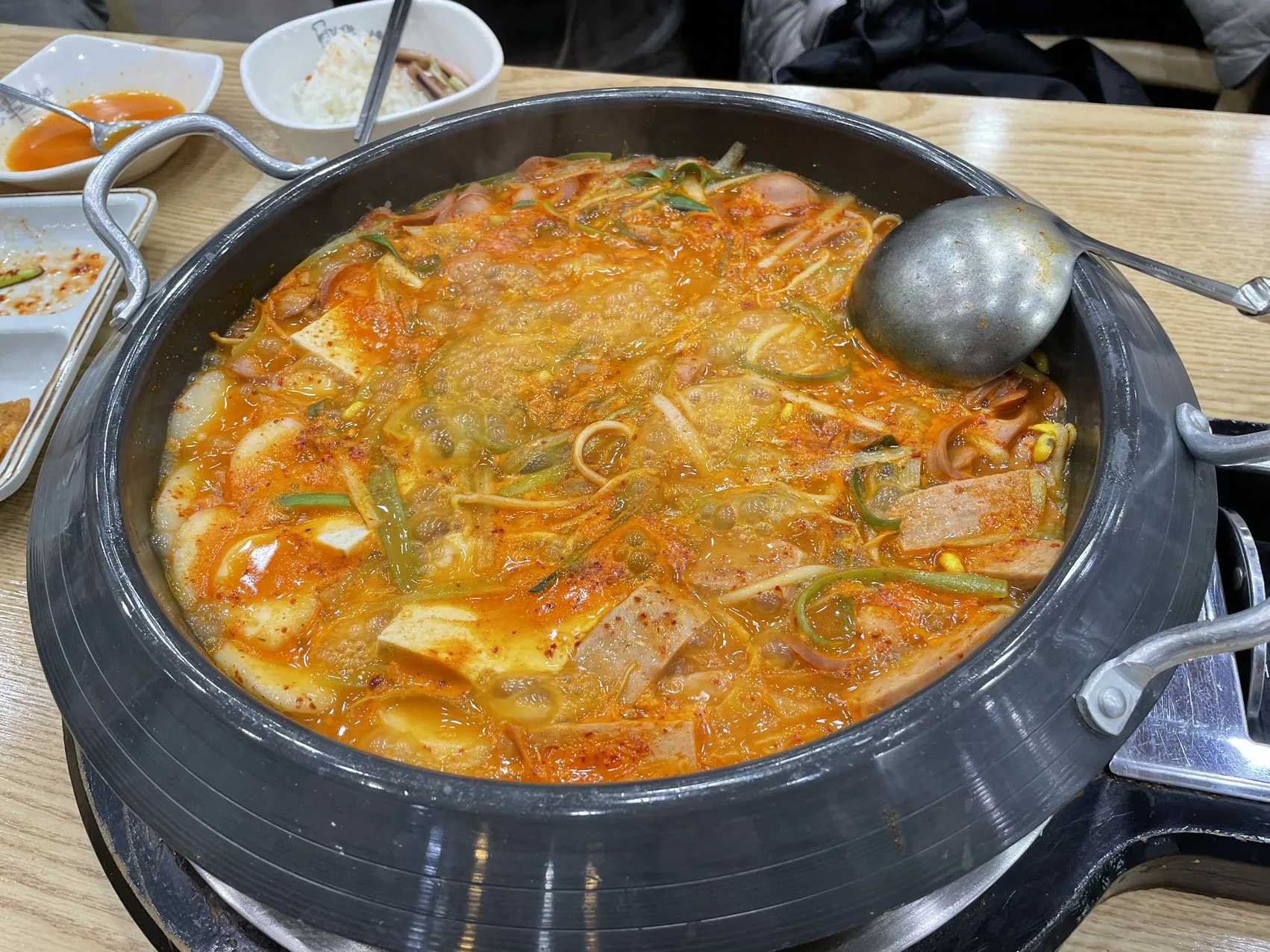
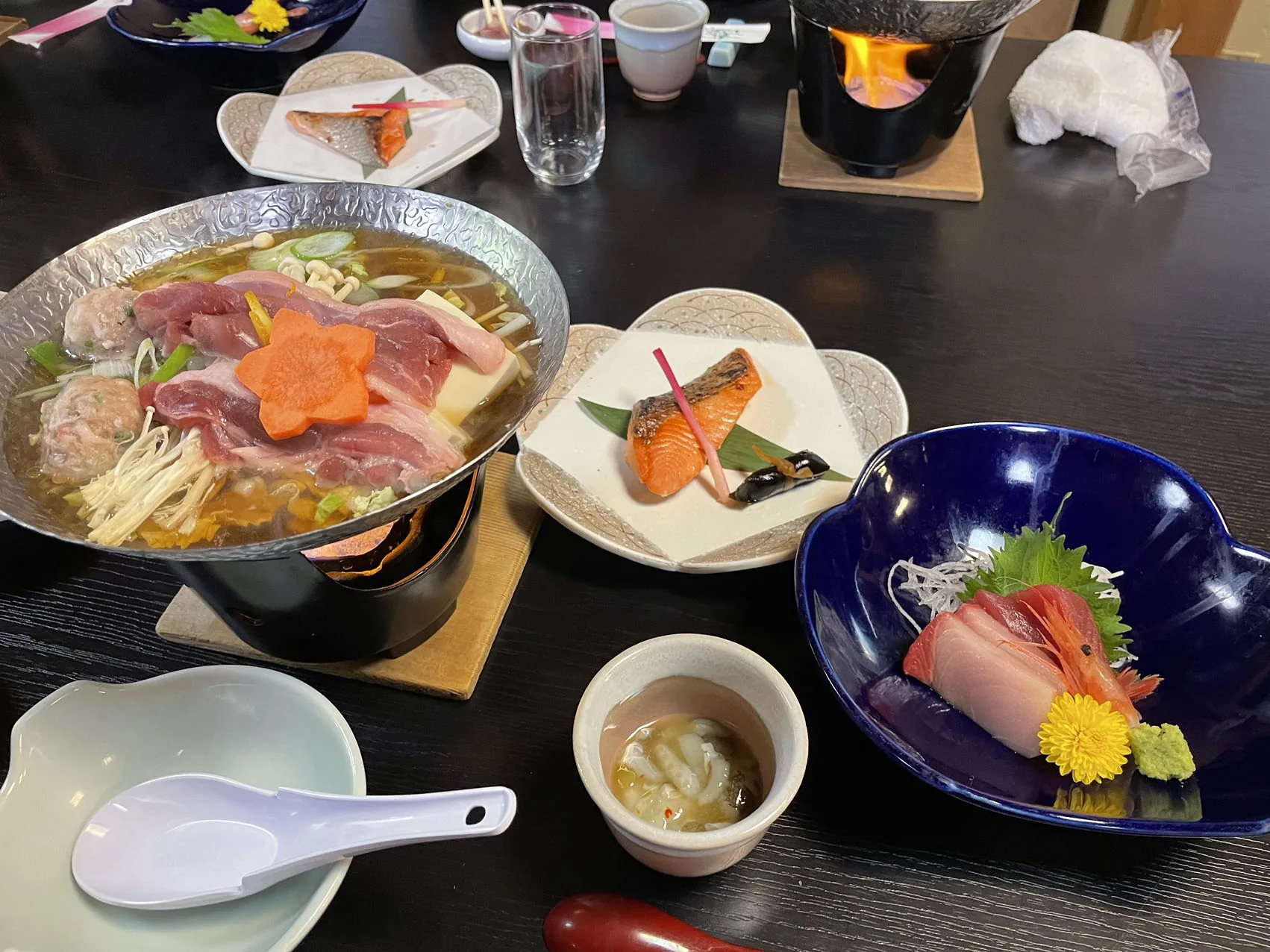
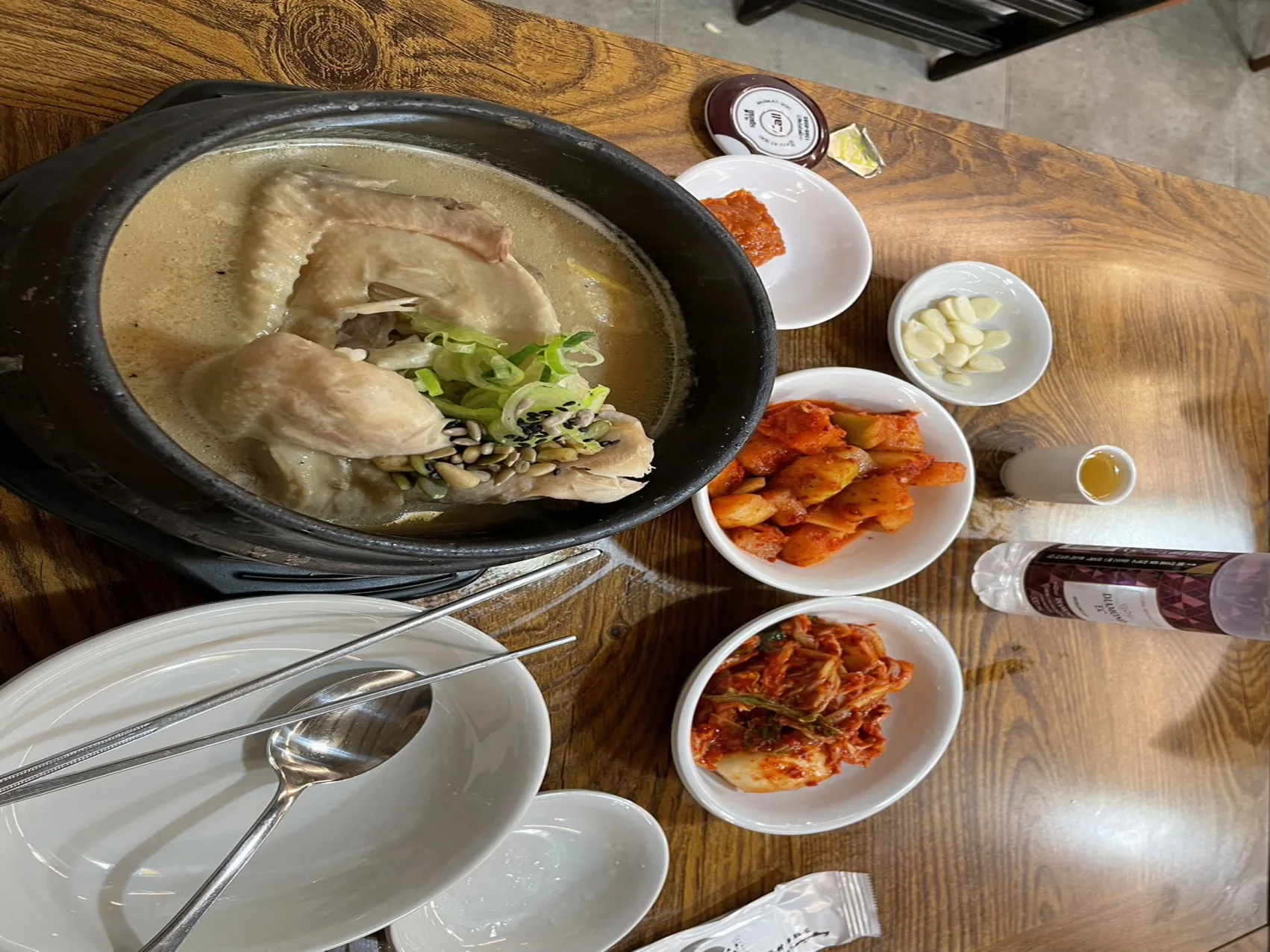
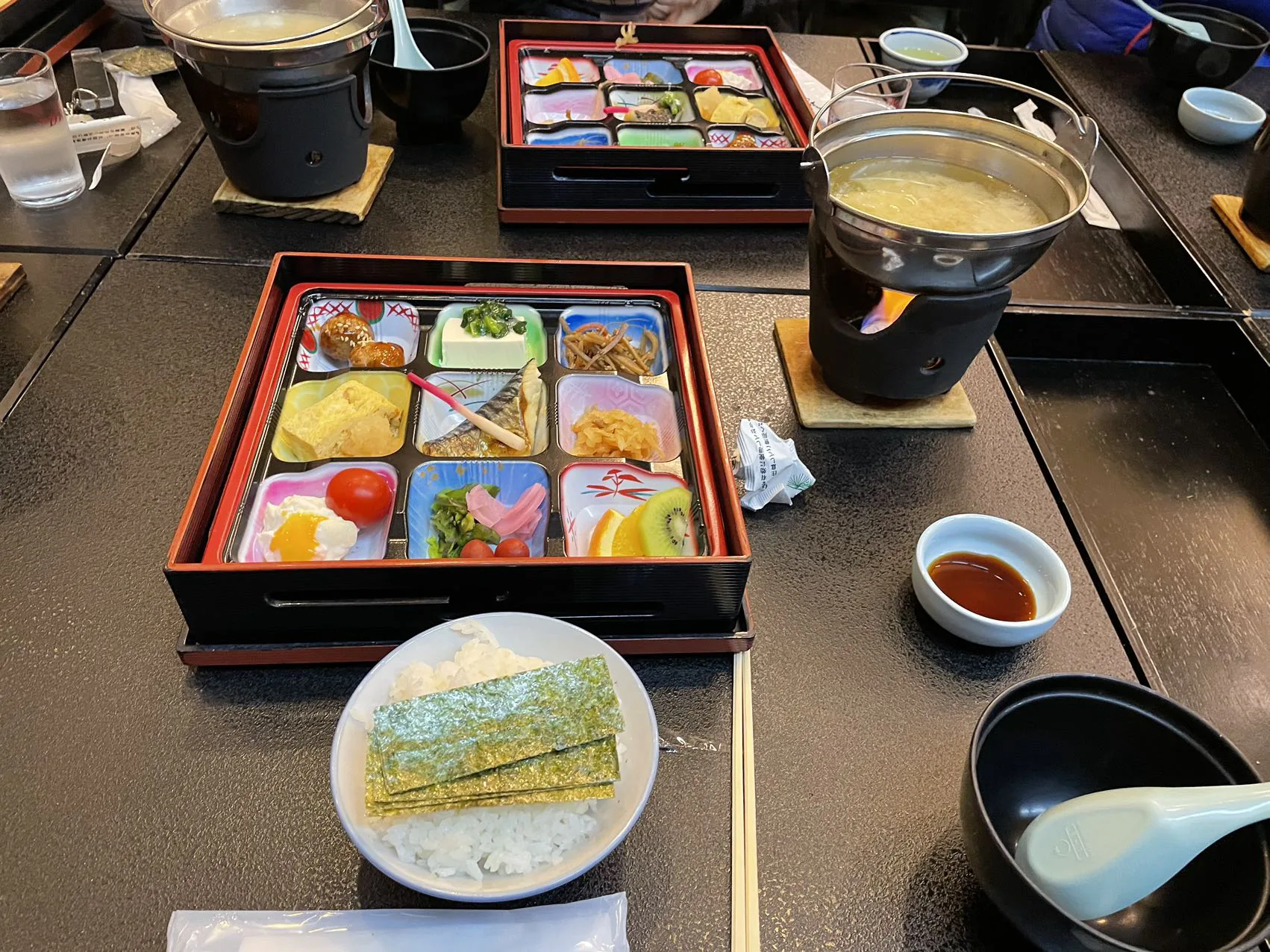
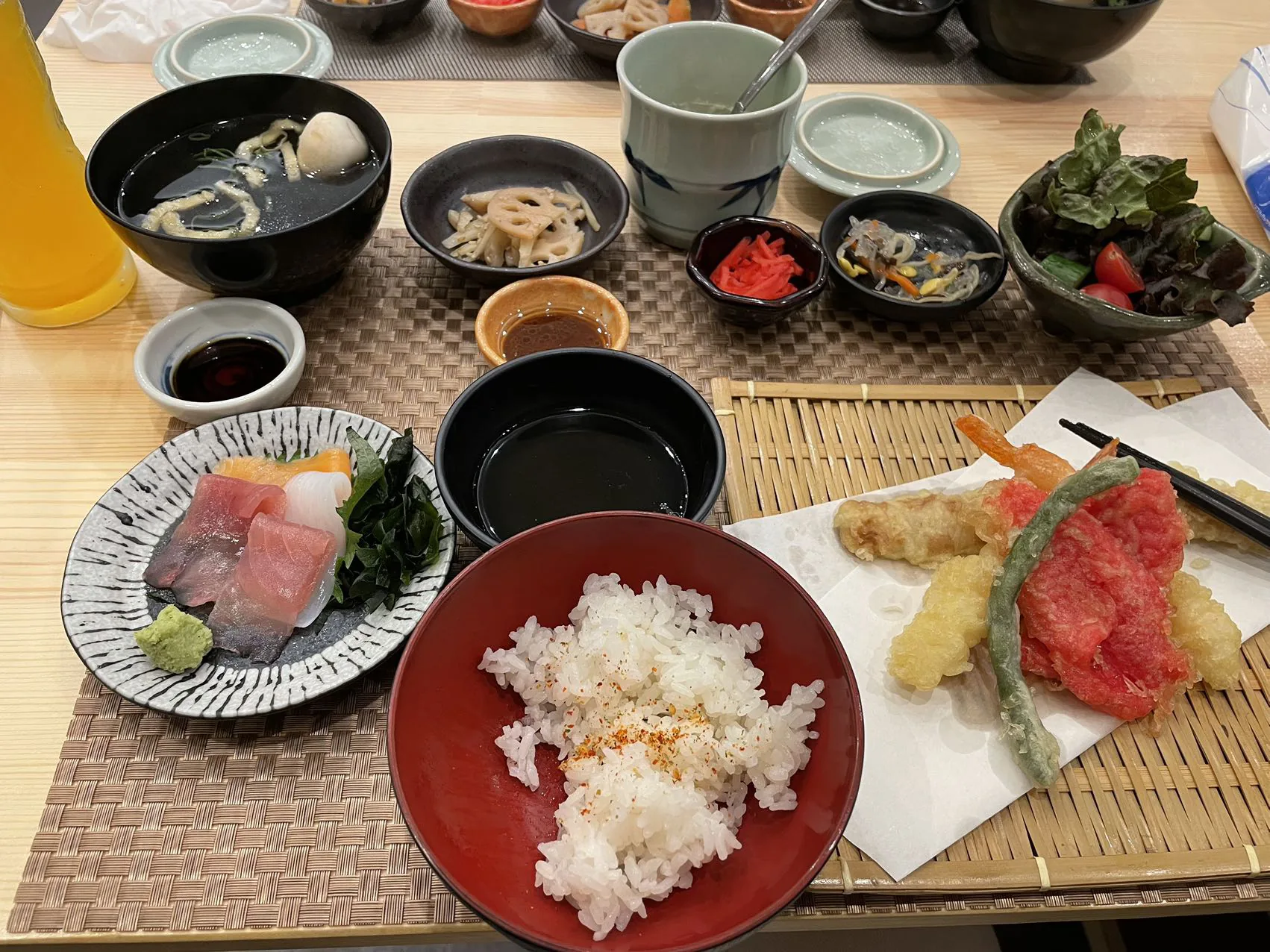
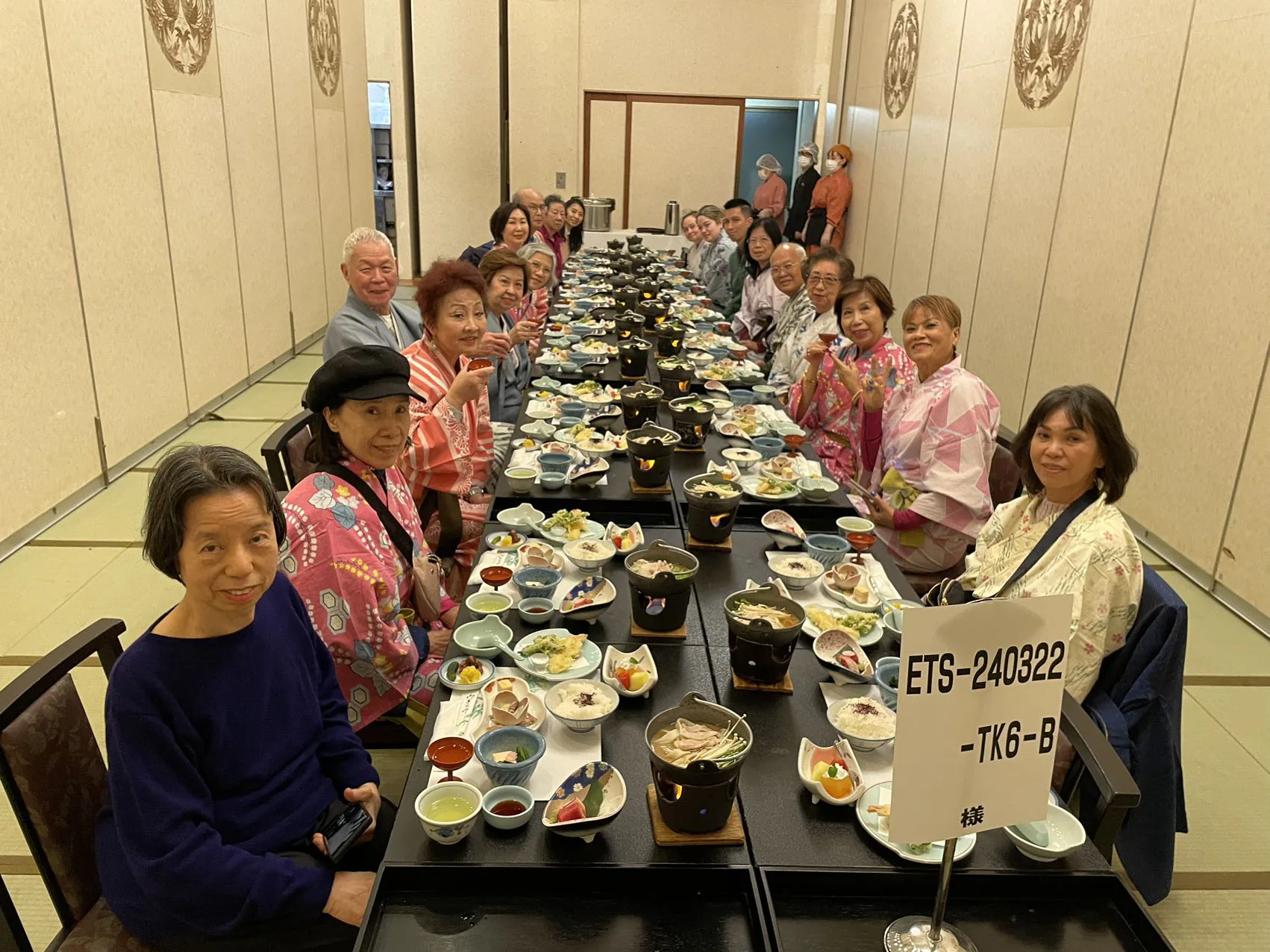
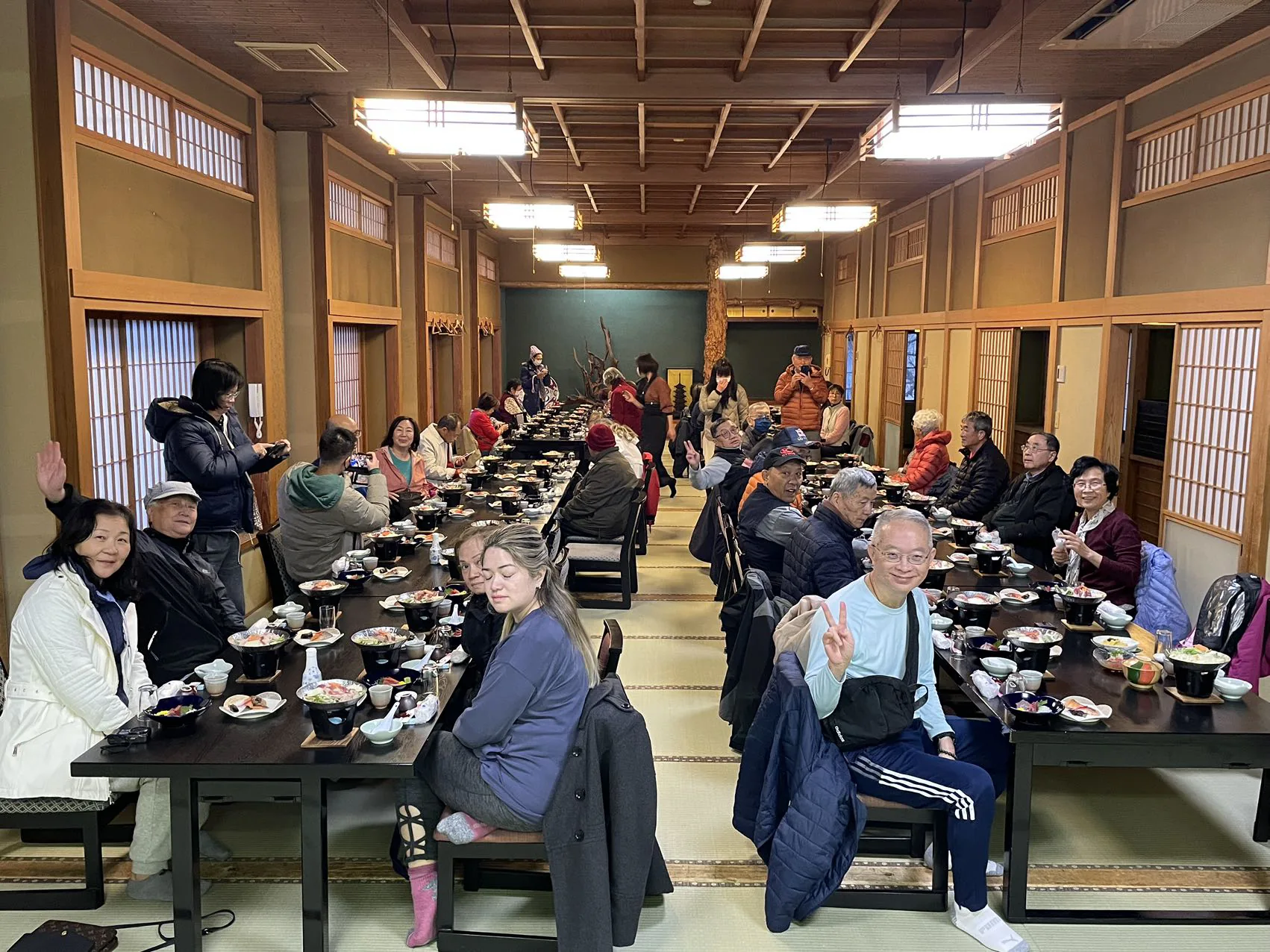
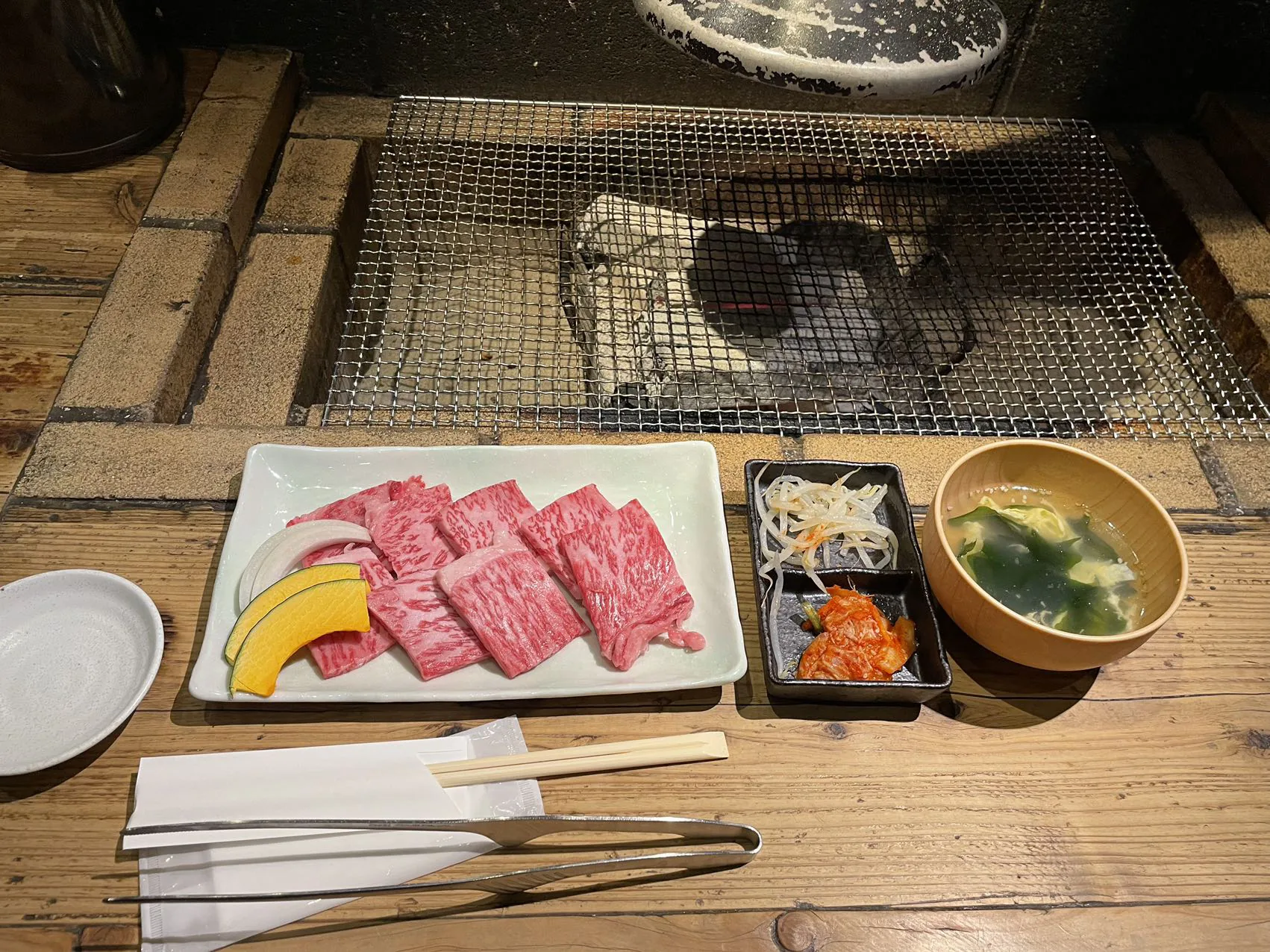
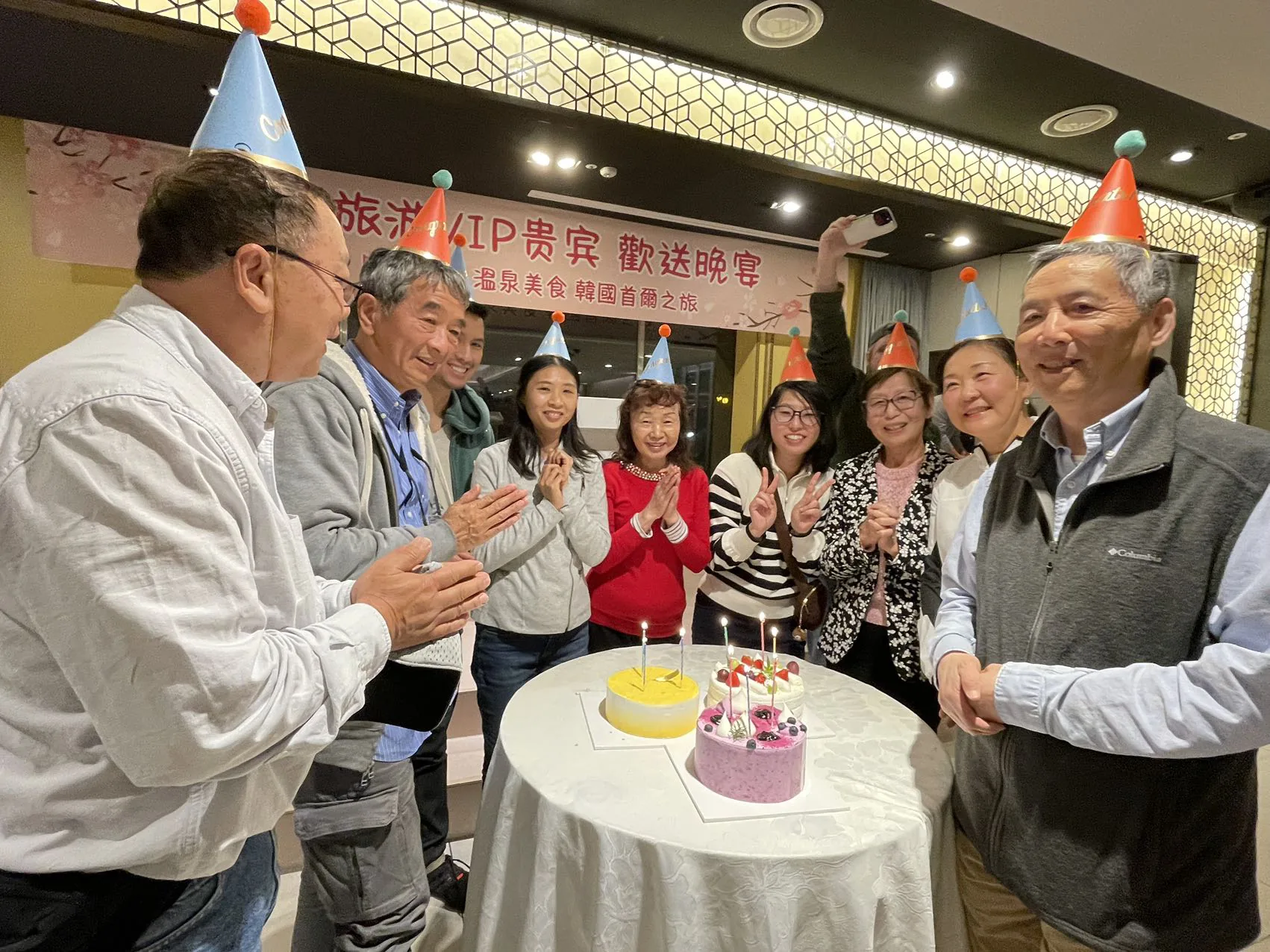
During this journey, we not only experienced the cultures of Japan and Korea but also enjoyed their diverse cuisines: stone bowl bibimbap, Korean-style specialties, grilled pork belly, ginseng chicken soup, seafood buffets, Japanese eel rice, local chicken and seafood sumo hot pot, king crab, fresh sashimi boats, Japanese tofu soup, tempura, Japanese hot pots, grilled meats, and much more. Japanese cuisine has delicate flavors and exquisite plating, much like their people—refined and attentive to service. Korean cuisine offers bold and passionate flavors. Various grilled dishes and hot pots challenge your taste buds and keep you coming back for more. AA Plus Vacation's manager personally led the entire group, buying cakes for guests, celebrating birthdays, organizing fun games, and providing pleasant surprises. Guests throughout the journey felt our company's warmth and care.
AA Plus Vacation has always made it our mission to provide the highest quality service. Our guide team has an in-depth understanding of Asian history and culture, providing you with rich commentary and guidance. The itinerary is carefully designed to allow you to fully appreciate the charm of Japan and Korea.
In the future, we will take you to Europe, Africa, America, Asia, and beyond. The world is so vast—let's explore it together! We sincerely thank you once again for choosing AA Plus Vacation. We look forward to continuing to bring you more exciting journeys and unforgettable memories. Our heartfelt gratitude.
The time spent enjoying scenery is joyful, the process of savoring delicacies is blissful. Now that the itinerary has concluded, we share with you the photos and memories from this trip, hoping to preserve every moment of your journey.
We eagerly anticipate our next adventure with you, your family, and friends!